
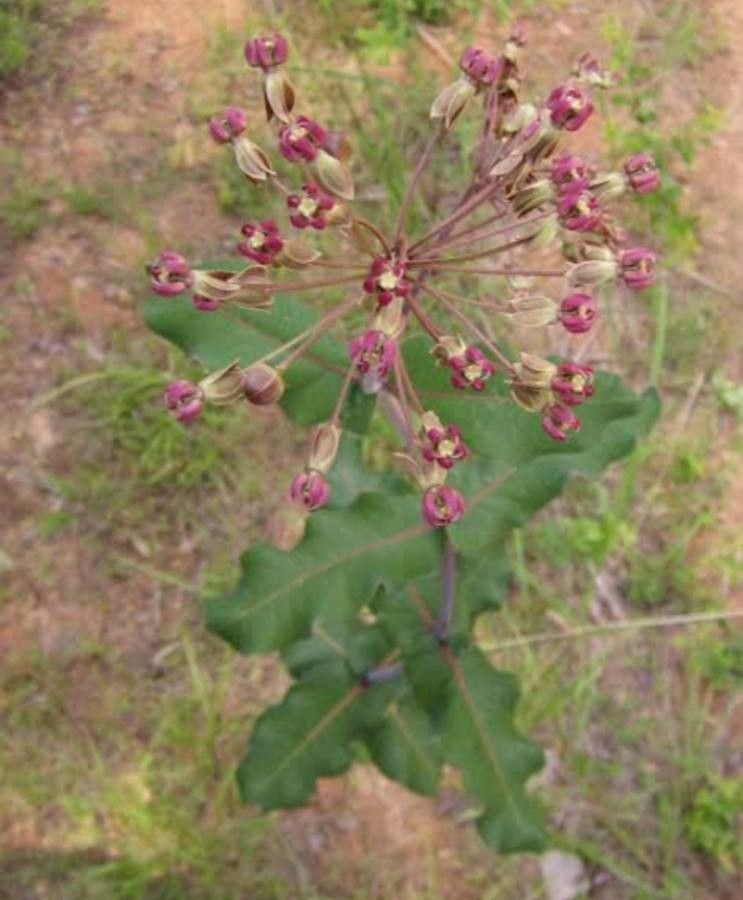
Unlocking the Secrets of Propagation: How to Grow More Asclepias amplexicaulis
The Asclepias amplexicaulis, also known as the Clasping Milkweed or Sand Milkweed, is more than just a pretty face in the prairie. This elegant plant, with its distinctive smooth leaves and delicate pink blooms, plays a crucial role in supporting pollinators, particularly the beloved Monarch butterfly. If you’re keen on attracting these winged beauties to your garden and fostering biodiversity, learning to propagate Asclepias amplexicaulis is a rewarding endeavor.
Two Paths to Propagation
Asclepias amplexicaulis can be propagated through two main methods: seeds and root cuttings. Each technique offers its own advantages and considerations:
1. Seed Starting: A Rewarding Journey From Seed to Bloom
Propagating from seed allows you to witness the entire life cycle of this fascinating plant. Here’s how:
- Timing is Everything: Start your seeds indoors approximately 6-8 weeks before the last expected frost in your region.
- Cold Stratification for Success: Asclepias amplexicaulis seeds benefit from a period of cold stratification to break dormancy. Place the seeds in moist paper towels, seal them in a plastic bag, and store them in your refrigerator for 4-6 weeks before sowing.
- Sowing with Care: Use a well-draining seed starting mix and plant the seeds about 1/4 inch deep. Keep the soil consistently moist but not waterlogged.
- Light and Warmth: Provide your seedlings with ample sunlight or grow lights and maintain a temperature of around 70-75°F (21-24°C).
- Transplanting to the Garden: Once the danger of frost has passed and your seedlings have developed a robust root system, carefully transplant them to your garden, spacing them about 12-18 inches apart.
2. Root Cuttings: A Shortcut to Established Plants
Propagating from root cuttings is a quicker method for establishing new Asclepias amplexicaulis plants:
- The Right Time: Late fall or early spring, when the plant is dormant, is the ideal time to take root cuttings.
- Making the Cut: Carefully dig around the base of an established plant and select healthy roots that are about 1/4 inch thick. Cut the roots into sections that are 2-3 inches long.
- Preparing for Growth: Dip the cut ends of the root sections in rooting hormone powder (optional but beneficial), then lay them horizontally in a tray filled with a moist, well-draining potting mix. Cover the root sections lightly with the potting mix.
- Creating the Ideal Environment: Provide bottom heat using a seedling heat mat and place the tray in a location with bright, indirect light.
- Transplanting: Once new growth emerges from the root cuttings, usually within a few weeks, you can carefully transplant them to individual pots or directly into your garden.
Tips for Success
- Well-Draining Soil is Key: Asclepias amplexicaulis thrives in well-drained soil. Amend your garden bed with compost or sand to improve drainage if needed.
- Sun-Kissed Blooms: Choose a location that receives at least six hours of direct sunlight per day for optimal flowering.
- Water Wisely: While this species is relatively drought-tolerant once established, consistent watering, especially during the first year, is essential.
- Embrace the Milkweed Bugs: Don’t be alarmed if you spot bright orange milkweed bugs on your plants. These insects are a natural part of the milkweed ecosystem and rarely cause significant damage.
By mastering the techniques of seed starting and root cuttings, you can propagate Asclepias amplexicaulis with confidence, adding beauty to your garden while providing a vital habitat for Monarch butterflies and other essential pollinators.