
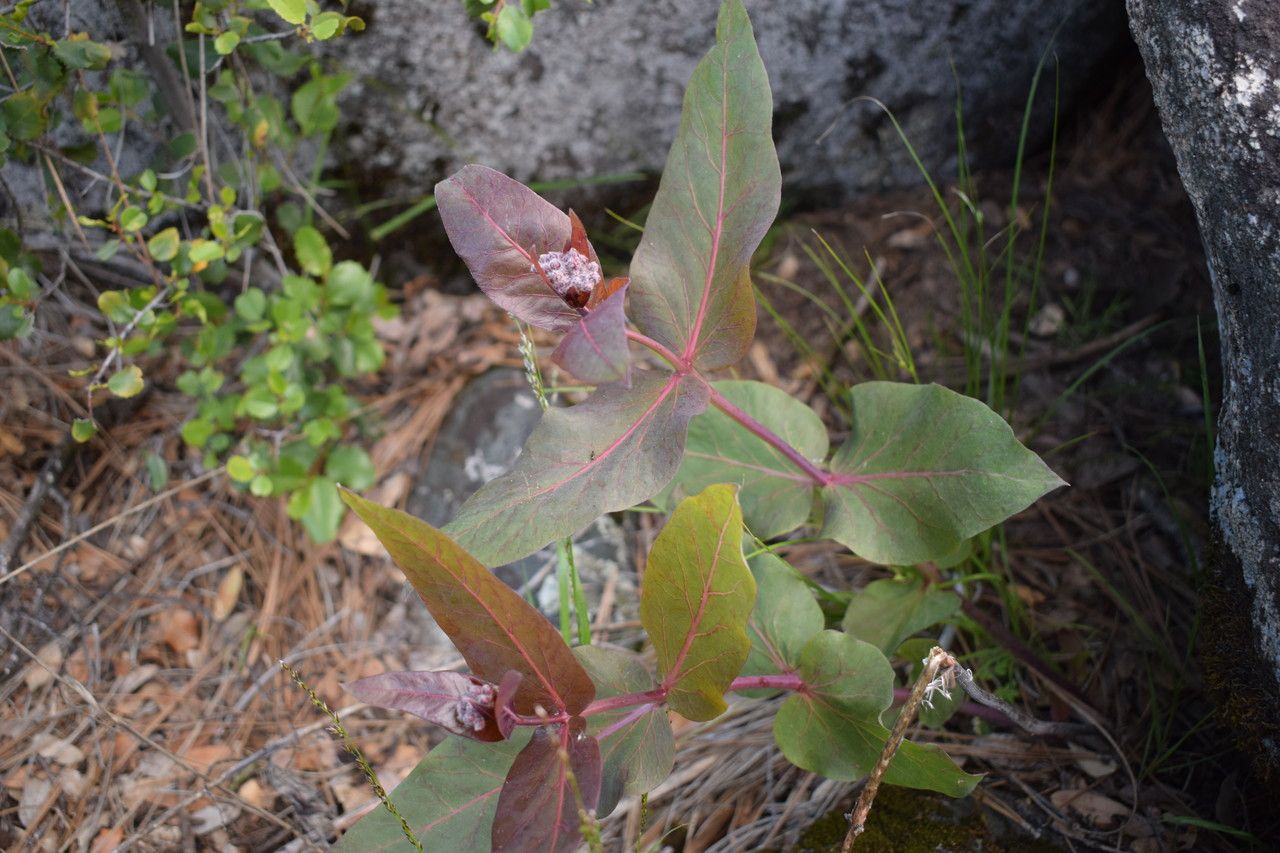
Propagating Asclepias cordifolia: A Gardener’s Guide to Heartleaf Milkweed
Asclepias cordifolia, commonly known as heartleaf milkweed, is a captivating native plant prized for its delicate, heart-shaped leaves and charming, fragrant flowers. Its crucial role as a host plant for monarch butterflies adds to its horticultural significance, making it a highly sought-after addition to butterfly gardens and pollinator-friendly landscapes. However, propagating this species presents unique challenges. This guide explores various propagation methods, outlining their viability and providing practical advice for successful cultivation.
Seed Germination:
Currently, there are no known reliable methods for seed germination propagation of Asclepias cordifolia. While seeds may be produced, their germination rate is notoriously low, and successful germination requires specific environmental conditions that are difficult to replicate consistently outside of a highly controlled laboratory setting. Further research is needed to determine the optimal conditions for consistent germination.
Cuttings:
Cuttings offer a more promising approach than seed germination.
Challenges: Rooting success from cuttings can be inconsistent. Heartleaf milkweed can be slow to root, and cuttings are susceptible to fungal diseases if not properly treated.
Tips: Take softwood cuttings (new growth) in late spring or early summer. Use a rooting hormone to improve success rates. Plant cuttings in a well-draining, sterile potting mix and maintain high humidity (e.g., using a humidity dome or plastic bag). Ensure consistent moisture but avoid overwatering.
Rewards: Cuttings offer a relatively quick method of propagation compared to seed. This method allows for the preservation of desirable traits from a parent plant.
Division:
Division is a viable and relatively successful method for propagating Asclepias cordifolia.
Challenges: This method is only feasible when the plant is already established and has developed sufficient root mass. Care must be taken to minimize root damage during the division process.
Tips: Divide established clumps in early spring or autumn when the plant is dormant. Ensure each division has a healthy root system and several stems. Replant divided sections in well-drained soil at the same depth as the original plant. Water thoroughly after planting.
Rewards: Division is a simple and effective way to increase the number of plants. It maintains the genetic characteristics of the parent plant and often leads to quicker establishment compared to cuttings or seedlings.
Tissue Culture:
Tissue culture offers the potential for large-scale propagation of Asclepias cordifolia, overcoming the challenges associated with other methods.
Challenges: Tissue culture requires specialized equipment, a sterile environment, and expertise in plant tissue culture techniques. It’s a more complex and expensive method compared to cuttings or division.
Tips: Professionally trained personnel with access to sterile labs are needed for successful tissue culture propagation.
Rewards: Tissue culture allows for rapid and mass propagation, producing disease-free plants. Genetic uniformity is achieved, ensuring consistency among the propagated plants.
Conclusion:
Propagating Asclepias cordifolia presents a unique set of challenges, with seed germination being unreliable. Cuttings, while showing some promise, require patience and attention to detail. Division offers a simpler and more effective method for established plants. Tissue culture provides the most reliable large-scale propagation, but necessitates specialized knowledge and equipment. While the difficulties are real, the rewards of cultivating this beneficial plant – witnessing monarch butterflies grace its blossoms – makes the effort worthwhile. The perseverance needed to successfully propagate heartleaf milkweed contributes to a deep satisfaction, a testament to the gardener’s dedication and the plant’s resilience. For those seeking to embark on this journey, remember patience, persistence, and attention to detail are key components to success.