
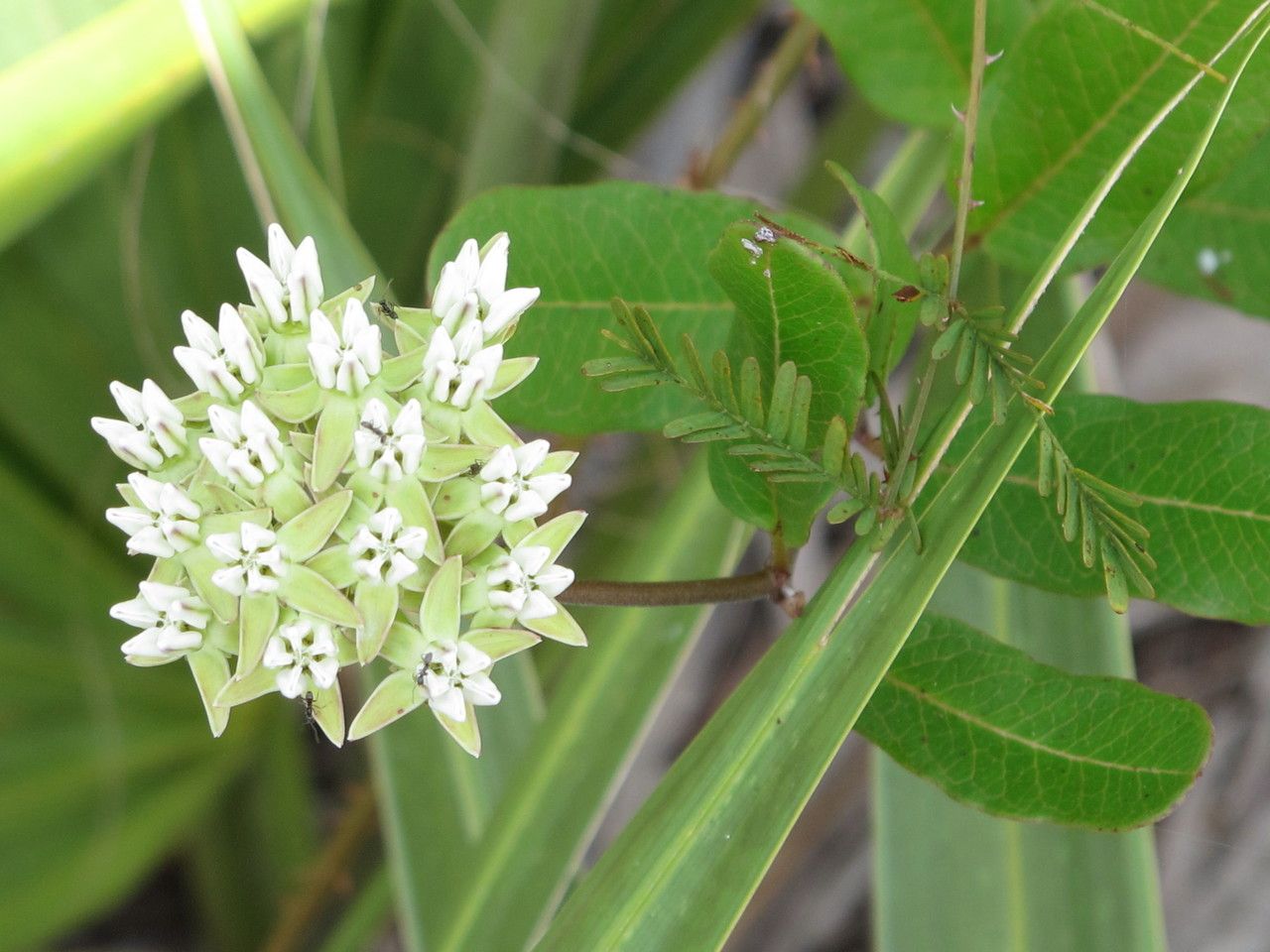
Propagating Curtis’ Milkweed (Asclepias curtissii): A Gardener’s Guide
Introduction:
Asclepias curtissii, commonly known as Curtis’ milkweed, is a striking herbaceous perennial native to the southeastern United States. Its delicate, pale pink to lavender flowers, borne in umbels atop slender stems, make it a highly desirable addition to any garden, particularly those aiming to attract pollinators. This milkweed species is especially crucial as a host plant for the Monarch butterfly, playing a vital role in its lifecycle. However, its relative rarity in cultivation makes propagation a significant undertaking for gardeners keen to expand its presence. Unique aspects include its comparatively smaller size compared to other milkweed species and its specific habitat preferences.
Seed Germination:
Seed germination is a viable, though challenging, method for propagating Asclepias curtissii. The primary challenge lies in the seed’s dormancy period and its requirement for specific germination conditions. Freshly collected seeds are recommended.
Challenges: Seeds often exhibit a period of dormancy requiring stratification. This involves mimicking winter conditions to break dormancy. Methods include cold stratification (placing seeds in moist vermiculite or peat moss at 33-40°F (0-4°C) for 6-8 weeks) before sowing.
Tips: Sow seeds in a well-draining seed starting mix, keeping the soil consistently moist but not waterlogged. Maintain a warm temperature (around 70-75°F (21-24°C)) after stratification. Use a humidity dome to maintain high humidity levels, crucial for successful germination. Direct sunlight should be avoided initially, providing shade until seedlings establish.
Rewards: Successful seed germination provides a substantial amount of genetically diverse plants, ideal for large-scale propagation and introducing genetic variation into cultivation.
Cuttings:
Currently, there are no known reliable methods for propagating Asclepias curtissii via cuttings. The success rate is exceptionally low, likely due to difficulty in rooting the stem cuttings. Further research is necessary to identify potential techniques and hormones that could improve rooting success.
Division:
Division is a viable, though potentially limited, propagation method for Asclepias curtissii. Established, mature plants can be carefully divided during dormancy (late fall or early spring), ensuring each division contains ample roots and healthy shoots.
Challenges: As Curtis’ milkweed is relatively small compared to other milkweeds, the number of divisions per plant is limited. Damage to the root system during division can easily hinder survival.
Tips: Use a sharp, clean spade or knife to separate the plant into several smaller sections. Replant divisions immediately ensuring optimal soil moisture and providing adequate spacing.
Rewards: Division offers a straightforward method for increasing the number of plants, but the scale of propagation is restricted by the size of the mother plant.
Tissue Culture:
Tissue culture propagation for Asclepias curtissii is largely unexplored. While potentially offering high propagation rates and disease-free plants, establishing reliable protocols requires significant research and specialized laboratory equipment. Therefore, it’s not a readily accessible method for the home gardener.
Challenges: Developing a successful tissue culture protocol requires expertise in plant tissue culture techniques, specific nutrient media and sterile procedures.
Tips: Current research into the tissue culture of other Asclepias species might provide a potential starting point for future research into A. curtissii.
Rewards: If successful, tissue culture offers the potential for rapid and large-scale propagation of genetically uniform plants, crucial for conservation and commercial use.
Conclusion:
Propagating Curtis’ milkweed presents unique challenges across various methods. Seed germination, though viable, necessitates careful stratification and optimal growing conditions. Division offers a simpler, albeit limited, alternative. Cuttings and tissue culture remain largely uncharted territory requiring further investigation. However, the rewards of successfully cultivating this beautiful and ecologically important plant far outweigh the effort involved. The satisfaction of nurturing these delicate seedlings to maturity, observing their lovely blooms, and contributing to the conservation of this species, offers a unique and deeply rewarding gardening experience. Aspiring propagators should begin with seed germination, employing the techniques detailed above, and be patient, prepared for potential setbacks, but ultimately hopeful for success. The survival of this special milkweed depends partly on the efforts of dedicated gardeners.