
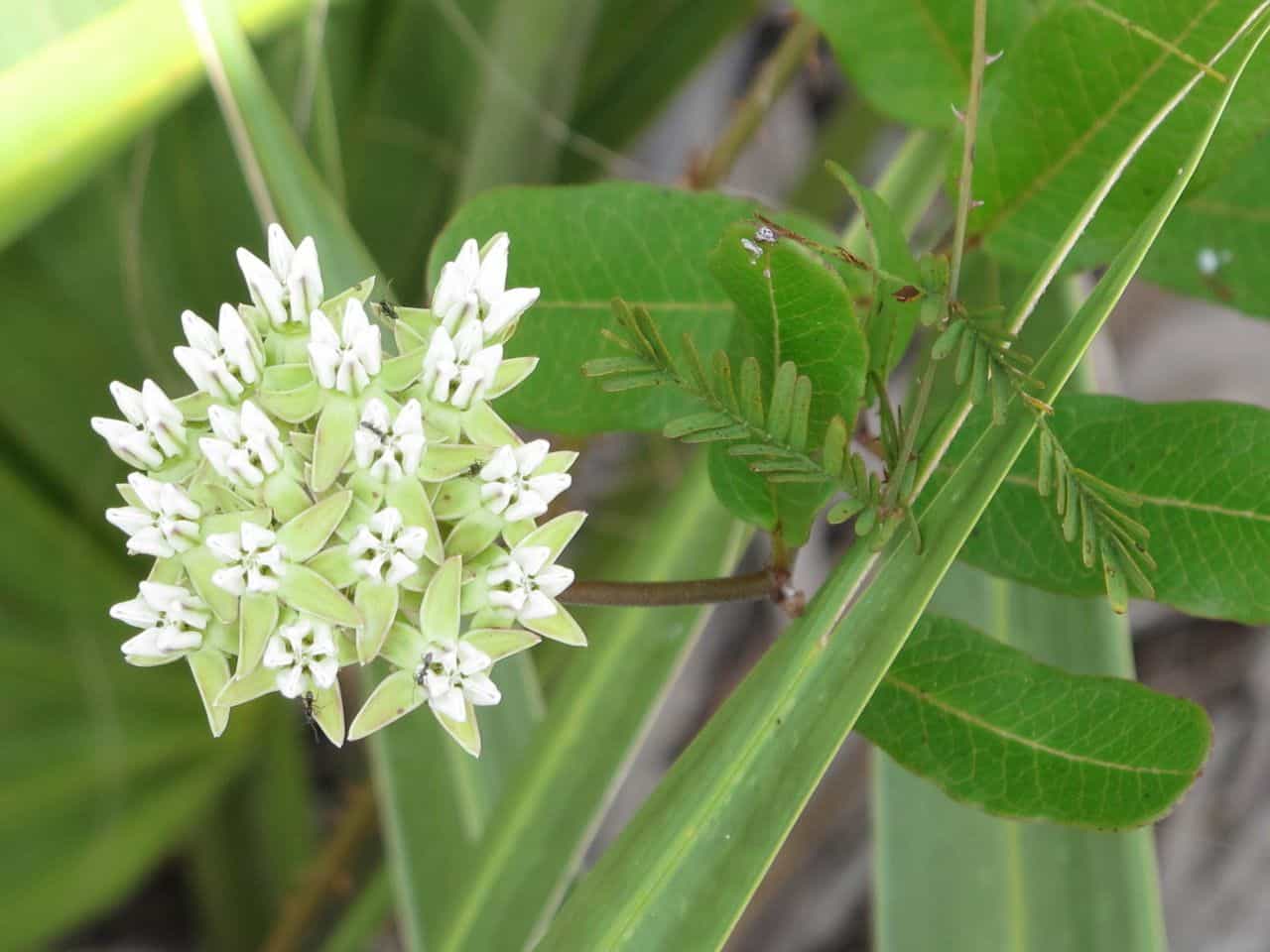
Taming the Wild Beauty: Propagation Secrets for the Rare Curtiss’ Milkweed
The Curtiss’ milkweed (Asclepias curtissii), a Florida native, captivates with its delicate flowers and crucial role in the monarch butterfly lifecycle. But this rare plant, found only in specific scrub habitats, can be a bit of a diva when it comes to propagation. Don’t despair! With a bit of patience and the right techniques, you can welcome this wild beauty into your home garden and contribute to its conservation.
Seeds: A Journey of Patience and Persistence
The most common propagation method for Curtiss’ milkweed is through seeds. Timing is key, as seeds require a period of cold stratification to break dormancy.
- Harvesting: Collect seed pods in late summer or early fall when they turn brown and begin to split open.
- Stratification: Store seeds in the refrigerator for 6-8 weeks to mimic winter conditions. You can place them in a sealed plastic bag with a slightly damp paper towel.
- Sowing: In early spring, sow seeds in a well-draining seed starting mix, barely covering them with soil. Maintain consistent moisture and warmth (around 70-75°F).
- Germination: Expect germination to take anywhere from 2 weeks to several months. Be patient and don’t give up!
Cuttings: A Faster Path to Success
For a quicker method, consider propagating Curtiss’ milkweed from stem cuttings. This method bypasses the lengthy germination period but requires extra care.
- Timing: Take cuttings in late spring or early summer when the plant is actively growing.
- Preparation: Select healthy, non-flowering stems and make a clean cut just below a leaf node. Remove the lower leaves and dip the cut end in rooting hormone.
- Planting: Plant the cutting in a well-draining potting mix and keep it consistently moist.
- Rooting: It may take several weeks for roots to develop. You can check for root development by gently tugging on the cutting.
Creating the Ideal Environment:
Whether you choose seeds or cuttings, mimicking the Curtiss’ milkweed’s natural habitat is crucial for success.
- Soil: Opt for a well-draining, sandy soil mix. Avoid heavy soils that retain too much moisture.
- Sunlight: Choose a location with full sun to partial shade. Remember, this plant is adapted to the Florida scrub!
- Watering: Water deeply but infrequently, allowing the soil to dry out slightly between waterings. Overwatering is a common mistake and can lead to root rot.
- Fertilizer: Use a balanced, slow-release fertilizer sparingly during the growing season.
Preserving a Rare Beauty:
Growing Curtiss’ milkweed is more than just adding beauty to your garden. It’s an active step in preserving a rare and threatened plant species. By providing a haven for monarch butterflies and contributing to seed banks, your efforts can ensure the future of this delicate flower for generations to come.
So why not embrace the challenge and invite this rare gem into your garden? The rewards, both for you and the environment, are well worth the effort.