
From Seeds to Success: Propagating the Showy Milkweed (Asclepias involucrata)
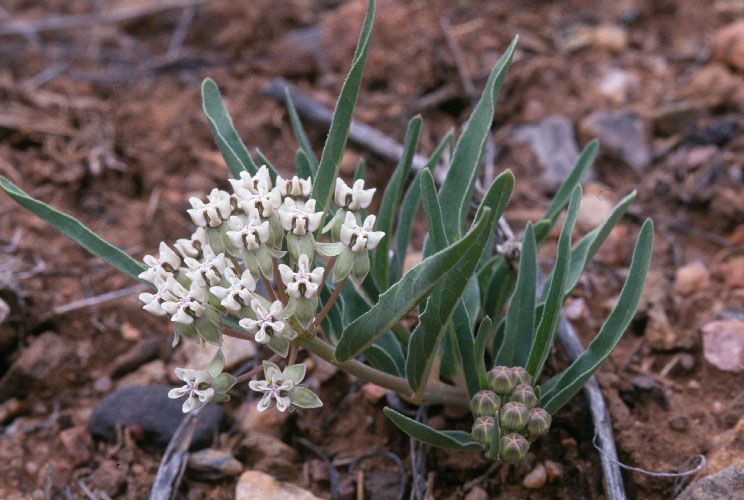
The Showy Milkweed (Asclepias involucrata), with its vibrant pink blooms and alluring fragrance, is a true gem for any garden. This native plant, prized for its nectar-rich flowers that attract butterflies and pollinators, is also remarkably easy to propagate.
Whether you’re looking to expand your own patch of Showy Milkweed or share the joy of this magnificent plant with others, understanding its propagation methods is key. This blog post will guide you through the process, ensuring you can successfully grow your own vibrant stand of Asclepias involucrata.
The Two-Part Approach: Seeds and Stem Cuttings
The Showy Milkweed offers two distinct propagation methods:
- From Seed: This is the more traditional and arguably simpler method. Seed propagation requires patience, as germination can take several weeks, but it allows you to cultivate a larger number of plants from a single seed pod.
- From Stem Cuttings: This method is faster and produces plants that bloom sooner, making it ideal for those seeking instant gratification.
Starting from Seed:
- Harvesting the Seeds: When the Milkweed pods turn brown and dry, they’re ready for harvesting. Carefully collect the pods and store them in a cool, dry place for a few weeks.
- Preparing the Seeds: Once the pods have fully dried, gently crack them open and remove the seeds. Seeds of the Showy Milkweed have fluffy “hairs” that can be easily separated.
- Sowing the Seeds: You can sow the seeds directly in the ground in the fall or early spring. Alternatively, use a seed tray or pot filled with good quality seed starting mix. You can also opt for cold stratification by keeping the seeds in a refrigerator for 4-6 weeks before sowing.
- Patience is Key: Germination of Asclepias involucrata seeds can take anywhere from a few weeks to several months. Maintain a consistent soil moisture and allow the seedlings to grow for a few weeks before transplanting them outdoors.
Growing from Cuttings:
- Cutting Selection: Choose healthy, non-flowering stems from mature plants. Cuttings should be about 4-6 inches long with at least two leaf nodes.
- Preparation: Remove the leaves from the bottom node of the stem and dip the end into a rooting hormone for optimal root development.
- Planting: Insert the cuttings into a pot filled with well-draining, moisture-retaining potting mix. Maintain a consistent soil moisture level and provide a humid environment, preferably with a plastic dome or clear container to trap moisture.
- Root Development: Expect the cuttings to root within a few weeks. Once you see new growth, you can gradually introduce the cuttings to direct sunlight.
Considerations and Tips:
- Timing: The ideal time to propagate Asclepias involucrata from seed is in the fall or early spring. Stem cuttings are best taken in early summer.
- Light: Seedlings and cuttings need bright, indirect light. Avoid exposing them to direct sunlight, especially when young.
- Moisture: Maintain consistently moist soil for seedlings and cuttings. However, avoid overwatering as it can lead to root rot.
- Patience: Propagation of Showy Milkweed requires patience, especially with the seed method. Don’t be discouraged if it takes a while for your plants to sprout or develop roots.
More Than Just Beauty:
Showy Milkweed isn’t just about aesthetics. It plays a vital role in supporting Monarch butterflies and other pollinators. By propagating this native plant, you’re not only enjoying its stunning beauty but also contributing to the wellbeing of our natural ecosystems.
So, why wait? Use these simple and effective methods to propagate your own magnificent Showy Milkweed plants. By sharing this precious resource with others, we can create a vibrant tapestry of pink and flourishing life in gardens across the land.