
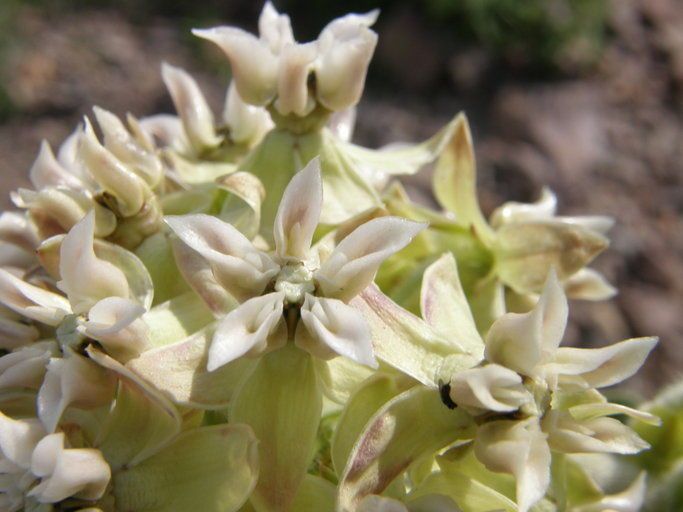
Taming the Wildflower: How to Propagate Asclepias lemmonii
Asclepias lemmonii, also known as Lemmon’s milkweed, is a beautiful and valuable native wildflower that brings vibrant color to gardens and vital support to pollinators, especially the monarch butterfly. While readily available in native plant nurseries, propagating your own Lemmon’s milkweed can be a rewarding experience.
This article dives into two effective methods of propagating Asclepias lemmonii:
1. Seed Propagation:
- When to sow: Sow seeds outdoors in the fall, directly into prepared soil. Fall sowing mimics the natural cycle and allows for cold stratification, which enhances germination rates.
- Soil preparation: Lemmon’s milkweed favors well-drained soil. Amend your planting area with compost to improve drainage and provide essential nutrients.
- Sowing depth: Sow seeds ¼ inch deep and lightly cover them with soil. Water gently and consistently until seedlings emerge.
- Thinning: Once seedlings reach 2-3 inches tall, thin them to a spacing of 12-18 inches apart. This allows sufficient room for growth and prevents overcrowding.
2. Propagation from Cuttings:
- Timing is key: Take stem cuttings in late spring or early summer during the plant’s active growing period.
- Selecting the right cutting: Choose healthy, non-flowering stems that are at least 4-6 inches long.
- Preparing the cutting: Using a sharp, sterilized knife or shears, make a clean cut just below a node (where leaves are attached). Remove the lower leaves, leaving 2-3 pairs of leaves at the top.
- Rooting hormone: While not mandatory, dipping the cut end in rooting hormone can significantly increase the success rate.
- Planting the cutting: Plant the prepared cutting in a well-draining potting mix. Keep it consistently moist but not waterlogged.
- Encouraging root development: Cover the cutting with a clear plastic bag or humidity dome to create a warm, humid environment that promotes root development.
- Transplanting: Once roots have established (usually within 4-6 weeks), carefully transplant the rooted cutting into a larger pot or directly into the garden.
Tips for Success:
- Patience is key: Propagating Lemmon’s milkweed can take time. Be patient and don’t get discouraged if you don’t see results immediately.
- Provide adequate sunlight: This sun-loving plant thrives in full sun (6-8 hours daily). Choose a sunny location for planting.
- Watering wisely: While drought tolerant once established, Lemmon’s milkweed benefits from regular watering, especially during its first year. Water deeply but allow the soil to dry out slightly between waterings.
- Pests and diseases: Be on the lookout for common garden pests like aphids. Early detection and treatment are essential.
By following these steps, you can successfully propagate Asclepias lemmonii and contribute to the well-being of this vital pollinator plant. Enjoy the beauty and ecological benefits that Lemmon’s milkweed brings to your garden!