
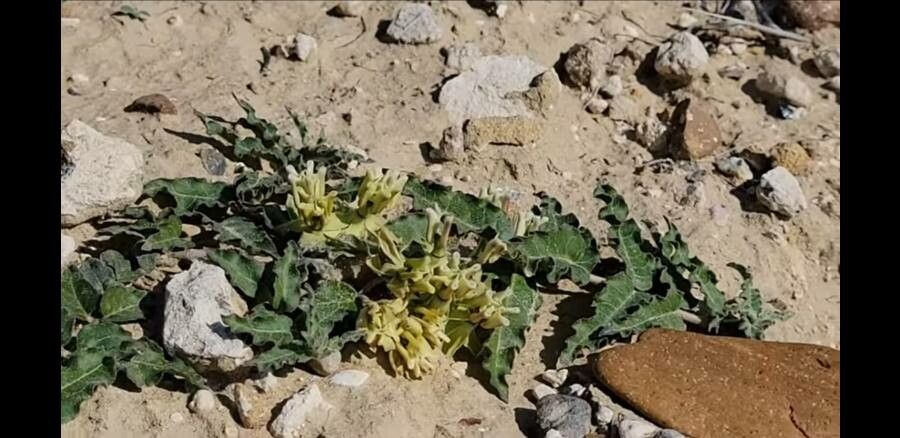
Propagating Asclepias prostrata: A Guide to the Sprawling Milkweed
Introduction:
Asclepias prostrata, commonly known as prostrate milkweed or trailing milkweed, is a charming, low-growing perennial native to parts of North America. Its sprawling habit, delicate foliage, and attractive umbels of pinkish-purple flowers make it a beloved addition to gardens, particularly those designed to attract pollinators like butterflies and bees. Its relatively low height and spreading nature make it ideal for rock gardens, borders, and ground cover. However, its propagation isn’t always straightforward, making successful cultivation all the more rewarding. This guide explores different methods of propagating Asclepias prostrata, highlighting their challenges and rewards.
Seed Germination:
Seed germination for Asclepias prostrata is a viable but challenging method. The seeds possess a relatively low germination rate and require specific conditions for successful sprouting.
Challenges: The primary challenge lies in ensuring adequate moisture and warmth while preventing fungal diseases which can easily decimate seedlings. The seed coat can also inhibit germination.
Tips: Pre-soaking seeds for 24-48 hours in warm water can improve germination rates. Stratification (simulating winter conditions) is often recommended. This can be achieved by placing seeds in a moist medium (e.g., vermiculite or peat moss) and storing them in a refrigerator at 4°C (39°F) for 6-8 weeks prior to sowing. Sow seeds thinly in a well-draining seed-starting mix, keeping the soil consistently moist but not waterlogged. A warm, bright location (but with protection from direct sunlight) is ideal. Germination can take several weeks to several months.
Rewards: Successful seed germination provides significant genetic diversity, allowing for the propagation of a larger number of plants from a single source. This method is also cost-effective for large-scale propagation projects.
Cuttings:
Cuttings are a somewhat more reliable method of propagating Asclepias prostrata than seed germination, though still presented with challenges.
Challenges: Asclepias prostrata cuttings can be slow to root and require careful attention to humidity and moisture levels to prevent wilting. The success rate can vary depending on the time of year propagating and the quality of the cutting.
Tips: Semi-hardwood cuttings taken in late spring or early summer are generally most successful. Select healthy stems with several nodes (leaf joints). Remove lower leaves and dip the cut ends in rooting hormone. Plant cuttings in a well-draining seed starting mix or a combination of perlite and peat moss. Maintain high humidity by covering the cuttings with a clear plastic dome or bag. Regular misting is crucial to keep the cuttings moist without rotting.
Rewards: Cuttings offer a faster propagation time compared to seed germination and allow for the preservation of desirable traits from a specific parent plant, ensuring uniformity in the offspring.
Division:
Division is a relatively successful method for propagating Asclepias prostrata, particularly for established plants.
Challenges: Division can be physically demanding, especially for large plants. Care must be taken to avoid damaging the roots. Newly divided plants may require extra care to establish themselves.
Tips: The best time to divide Asclepias prostrata is in early spring or autumn. Dig up the entire plant carefully and gently separate the root ball into several smaller sections, each with its own healthy roots and shoots. Replant each division in well-prepared soil, ensuring adequate spacing. Water thoroughly after planting.
Rewards: Division produces mature, quickly establishing plants compared to propagation from seed or cuttings, leading to quicker flowering and greater overall success. It’s ideal for preserving specific desirable traits.
Tissue Culture:
Currently, there are no widely published or readily available protocols for tissue culture propagation of Asclepias prostrata. While theoretically possible, this method requires specialized equipment and expertise, making it inaccessible to most gardeners.
Conclusion:
Propagating Asclepias prostrata presents various challenges, with seed germination proving the trickiest approach. However, the rewards of successfully cultivating this beautiful and ecologically significant plant are great. The patience and care involved make the outcome even more gratifying. Whether through division, cuttings, or seeds, the successful propagation of Asclepias prostrata contributes to the conservation of this valuable species and enhances the beauty of your garden, offering a haven for pollinators. So, embrace the challenge; the journey to nurturing this vibrant plant is as rewarding as the final bloom.