
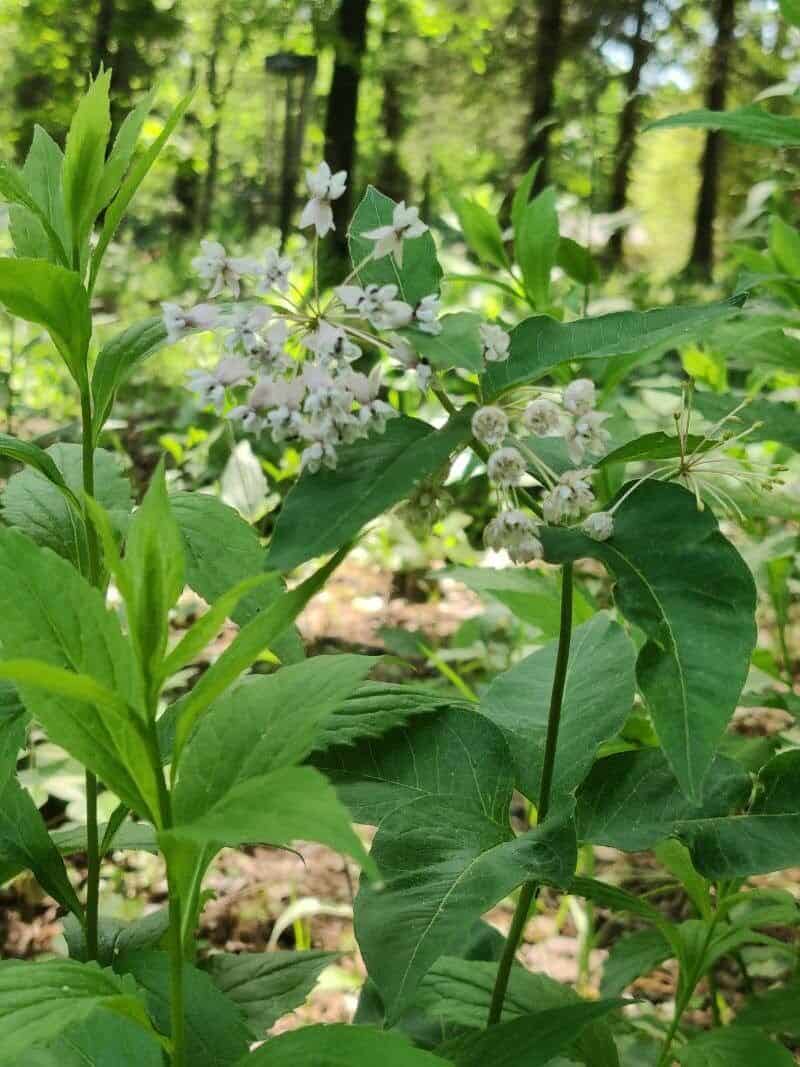
Four Leafed Success: A Guide to Propagating the Exquisite Asclepias quadrifolia
The Asclepias quadrifolia, also known as the Fourleaf Milkweed, is a captivating wildflower celebrated for its delicate beauty and ecological importance. Unlike its taller, showier relatives, this milkweed species charms with understated elegance, showcasing umbels of soft pink, bell-shaped blooms on compact stems adorned with unique whorls of four leaves.
If you’re looking to invite this enchanting plant into your garden and help support vital pollinators like the Monarch butterfly, you’ll be pleased to know that propagating Asclepias quadrifolia is achievable, albeit requires a touch of patience and understanding of its preferences. This guide delves into the various propagation techniques you can employ for success:
1. Seed Propagation: A Rewarding Journey from Seed to Bloom
- Seed Collection: Timing is key. Collect seed pods in late summer or early fall when they begin to turn brown and split open.
- Cold Stratification: Asclepias quadrifolia seeds require a period of cold stratification to mimic natural winter conditions. Store seeds in a refrigerator (around 40°F) for a minimum of 30 days.
- Sowing: In spring, sow seeds in a well-draining seed-starting mix, covering them lightly with soil. Keep the soil consistently moist but not waterlogged.
- Patience is Key: Germination can be slow and erratic, taking anywhere from a few weeks to a couple of months.
2. Division: Multiplying Your Milkweed Clumps
For established plants, division offers a quicker route to multiplying your Asclepias quadrifolia. Here’s how:
- Timing: Early spring, before new growth emerges, is the ideal time for division.
- Careful Excavation: Gently dig around the plant’s perimeter, ensuring you lift the entire root system.
- Division: Use a sharp, clean knife or garden shears to divide the clump into sections, ensuring each section contains a healthy portion of roots and shoots.
- Replanting: Plant the divisions at the same depth they were growing previously, watering them in well.
3. Root Cuttings: A Less Conventional but Effective Method
While slightly more advanced, root cuttings offer another propagation avenue:
- Timing: Late fall or early spring is optimal.
- Cuttings: Carefully unearth a portion of the plant’s roots and take cuttings about 2-3 inches long.
- Placement: Lay the cuttings horizontally in a tray filled with a moist, well-draining rooting medium, covering them lightly.
- Patience and Care: Maintain consistent moisture and a warm environment. New shoots should emerge within a few weeks.
Cultivating Success: Essential Tips for Healthy Growth
No matter which propagation method you choose, ensuring the well-being of your Asclepias quadrifolia is crucial:
- Well-Draining Soil: This species thrives in well-drained soil. Avoid overly wet conditions.
- Sunlight: Plant in an area that receives at least 6 hours of sunlight per day.
- Watering: Water regularly during the first year to establish a strong root system.
- Maintenance: Deadhead spent flowers to encourage more blooms and prevent self-seeding.
With its delicate charm and ecological significance, the Asclepias quadrifolia is a rewarding plant to cultivate. By following these propagation techniques and care tips, you can enjoy its beauty while contributing to the well-being of our vital pollinator populations.