
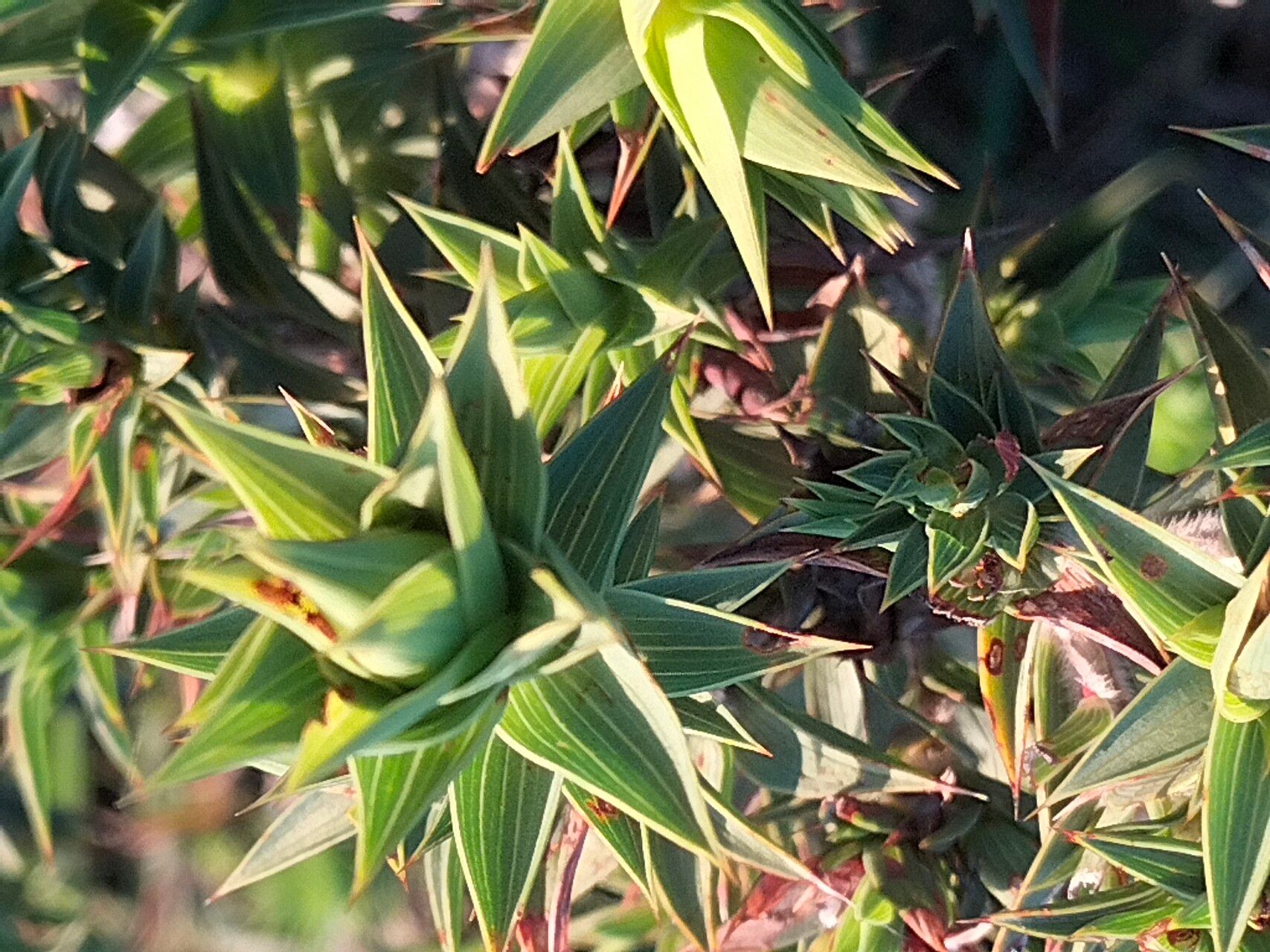
Unlocking the Secrets of Aspalathus Cordata Propagation: A Guide for Your Garden
Aspalathus cordata, with its vibrant yellow blooms and delicate, feathery foliage, is a captivating addition to any garden. Native to the Cape Floristic Region of South Africa, this charming shrub, also known as the “Heart-Leaved Cape Gorse”, thrives in well-drained soil and sunny locations. While its stunning beauty is undeniable, many gardeners shy away from Aspalathus cordata, believing it to be challenging to propagate. But fear not! This guide will demystify Aspalathus cordata propagation, empowering you to expand your garden with these floral wonders.
Two Paths to Propagation:
Aspalathus cordata can be propagated through two primary methods:
Seed Propagation: This method, while requiring a touch more patience, offers the satisfaction of nurturing a plant from its very beginning.
- Timing is Key: Sow your Aspalathus cordata seeds in spring, when the soil has warmed and frost risk has passed.
- Sowing the Seeds: Use a well-draining seed starting mix, and lightly press the seeds onto the surface, covering them with a thin layer of soil.
- Patience is a Virtue: Keep the soil consistently moist but not waterlogged. Germination can take anywhere from a few weeks to a couple of months.
- Transplanting Success: Once your seedlings have developed a few true leaves, transplant them into individual pots or your garden bed, ensuring they receive ample sunlight.
Cutting Propagation: For a faster route to establishing new plants, cuttings offer a reliable method.
- Choosing the Right Cuttings: During the plant’s active growing season (spring to early summer), select healthy, non-flowering stems about 4-6 inches long.
- Preparing the Cuttings: Remove the lower leaves, leaving only a few at the top. Dip the cut end in rooting hormone to encourage root development.
- Planting the Cuttings: Insert the prepared cuttings into a pot filled with a well-draining potting mix. A mix of peat moss and perlite works well.
- Creating a Humid Environment: Cover the pot with a clear plastic bag or use a humidity dome to create a greenhouse-like environment.
- Patience and Observation: Roots should develop within a few weeks. Gently tug on the cutting to check for resistance, indicating root formation. Once rooted, gradually acclimate the new plant to outdoor conditions before transplanting.
Tips for Success:
- Well-Drained Soil is Crucial: Aspalathus cordata detests waterlogged conditions. Ensure your soil mix or garden bed drains well.
- Sunlight is Golden: These sun-loving plants thrive in at least 6 hours of direct sunlight daily.
- Water Wisely: While enjoying regular watering, especially during their establishment phase, allow the soil to dry slightly between waterings to prevent root rot.
- Pruning for Beauty and Health: Regular light pruning will encourage bushier growth and a profusion of blooms.
Propagating Aspalathus cordata might seem daunting at first, but with the right knowledge and a dash of patience, you can effortlessly multiply your collection of these enchanting plants. So, embrace the joy of propagation, and watch your garden blossom with the vibrant beauty of Aspalathus cordata year after year.