
From Spiky Shield to Lush Garden: How to Propagate Asparagus Horridus
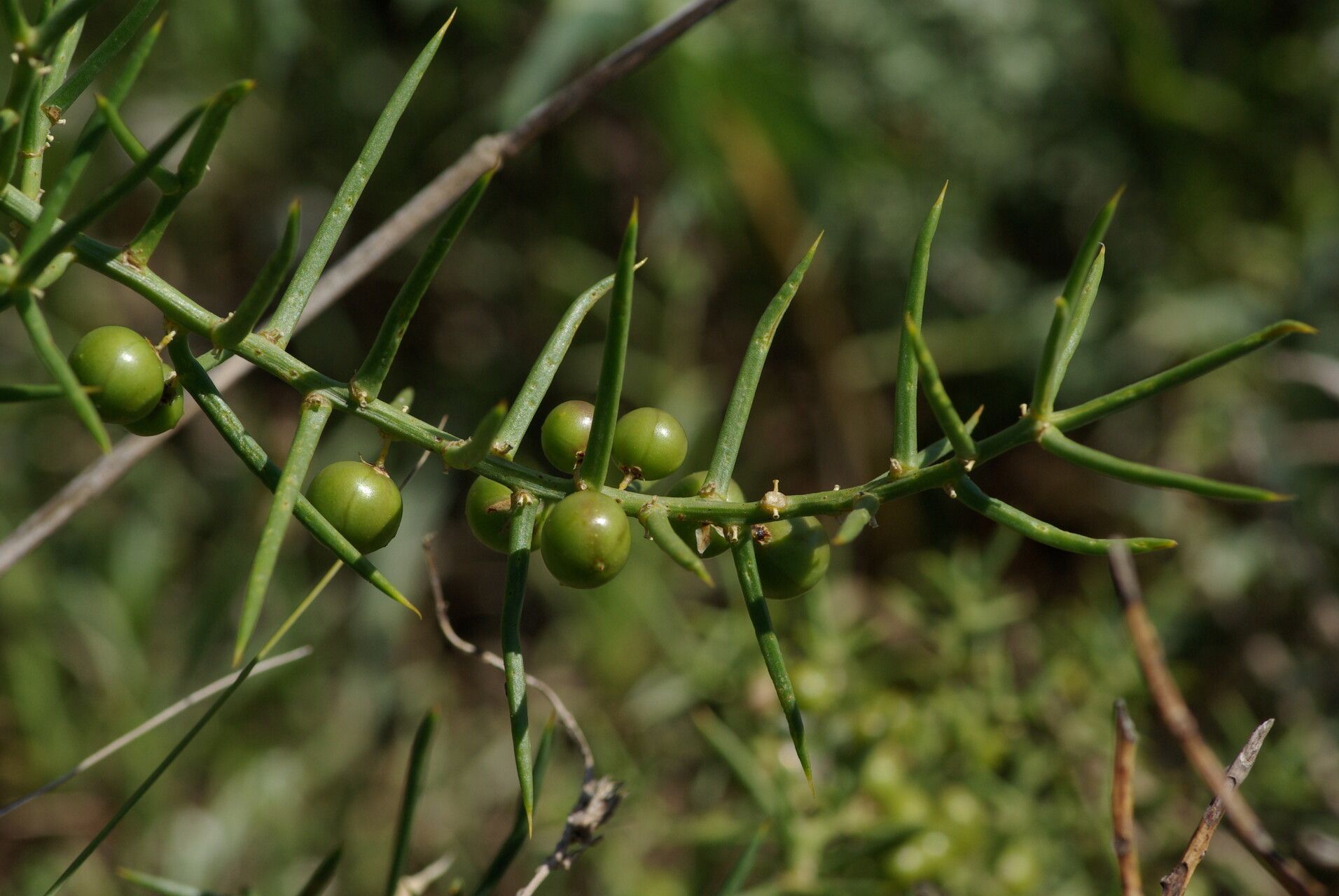
Asparagus horridus, also known as the “African asparagus fern” or “wild asparagus,” is a unique and fascinating plant. Its dense, spiky foliage, resembling prickly needles, might seem daunting at first. But beneath this formidable exterior lies a beautiful, delicate fern-like fronds that bring a touch of tropical elegance to any garden space.
But what if you want to share this unique foliage with others? How can you get more of these captivating plants? The answer lies in propagation!
While asparagus horridus can be grown from seeds, it’s often easier and faster to propagate it through cuttings. Let’s explore the two main methods:
1. Stem Cuttings:
- Timing is key: The ideal season for stem cuttings is spring or early summer when the plant is actively growing.
- Selection matters: Choose healthy, vigorous stems without any signs of disease or damage.
- The cut: Use a sharp knife or pruning shears to make a clean cut just below a node (where leaves emerge).
- Preparation: Remove any leaves from the bottom 2-3 inches of the stem to encourage root growth.
- Planting: Dip the cut end of the stem in a rooting hormone powder for optimal results. Then, gently insert the stem into a pot filled with a well-draining potting mix.
- Care: Keep the soil moist but not soggy. Place the pot in a bright, indirect light location and wait for the magic to happen.
2. Root Division:
- Best for established plants: This method is ideal for dividing larger, well-established asparagus horridus plants.
- Spring or fall: The optimal seasons for root division are spring or fall.
- Gently separate: Carefully dig up the plant, avoiding damage to the roots. Use a sharp knife or gardening shears to divide the root ball into smaller clumps, each with several healthy stems.
- Replant the divisions: Plant the new divisions in well-prepared soil, ensuring proper spacing.
- Water and nurture: Provide consistent watering and care to help the new divisions establish themselves.
Beyond Basic Propagation:
- Moisture and humidity: Asparagus horridus thrives in moist, well-draining soil. Maintaining slightly humid conditions can also benefit its growth.
- Light and warmth: These plants appreciate bright, indirect light and warm temperatures, making them suitable for indoor or outdoor environments.
- Patience is key: It can take weeks or months for cuttings to develop roots and grow into thriving plants. Be patient, and soon you’ll be able to enjoy the beauty of asparagus horridus in multiple locations.
Beyond the garden:
Asparagus horridus is more than just a garden plant. Its unique, spiky foliage can be used for creating stunning floral arrangements, adding natural texture and visual interest. You can also use the dried stems in crafts for beautiful, natural decorations.
Finally, remember to choose methods that suit your comfort level, available resources, and the specific needs of your asparagus horridus plant. By understanding the basic principles of propagation, you can expand your collection, share your passion for this unique plant, and experience the joy of nurturing new life. So, why wait? Start your propagation journey today!