
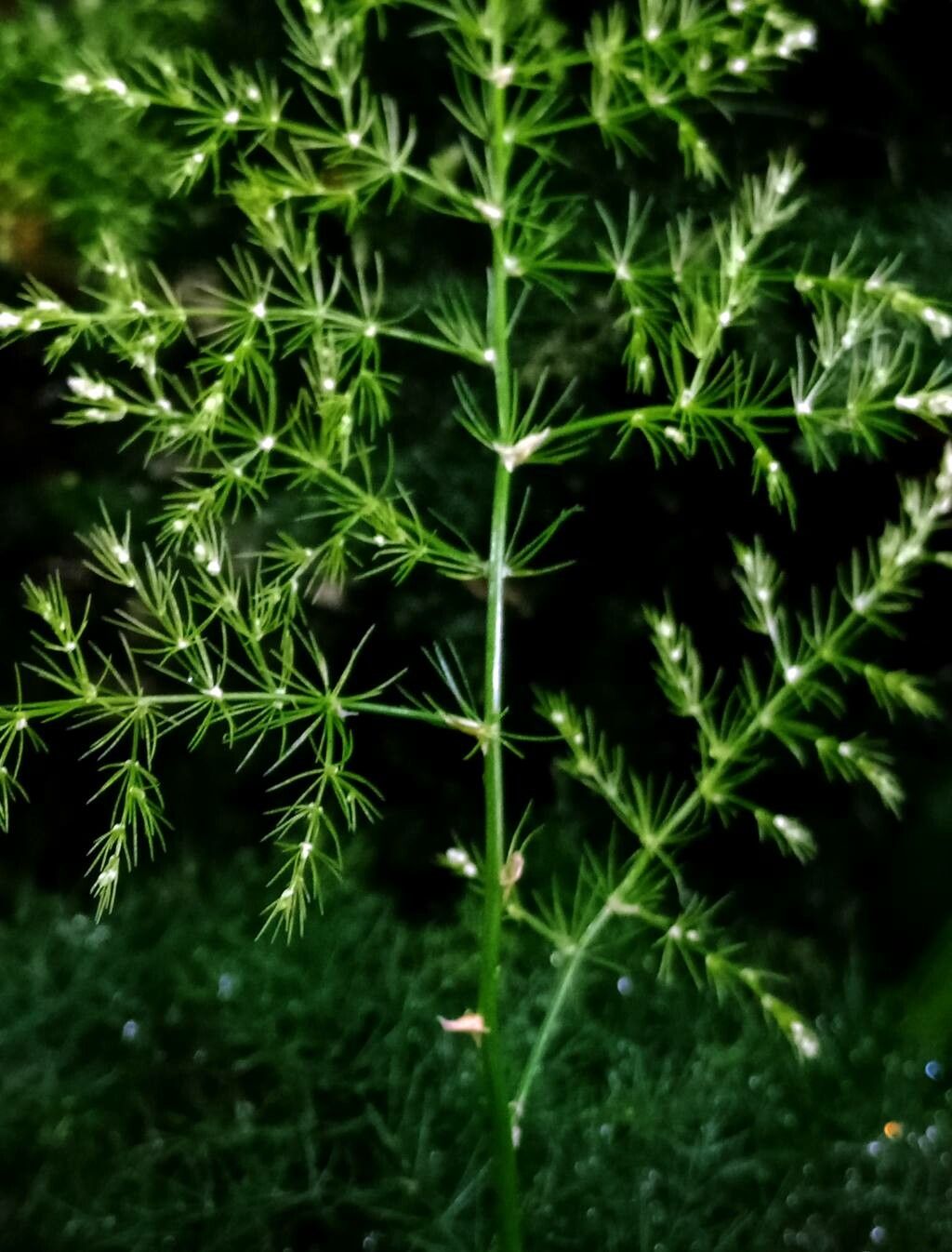
Propagating Asparagus setaceus: A Gardener’s Guide to the Asparagus Fern
Asparagus setaceus, commonly known as the asparagus fern (though not a true fern), is a popular houseplant and garden ornament prized for its delicate, feathery foliage. Its cascading habit makes it ideal for hanging baskets, or as ground cover in warmer climates. However, its propagation isn’t always straightforward. Unlike some plants, it doesn’t readily produce viable seed, making other methods necessary for successful multiplication. Let’s explore the various options available.
Seed Germination:
Currently, there are no known reliable methods for seed germination propagation of Asparagus setaceus. While the plant does produce berries containing seeds, germination rates are extremely low, even under optimal conditions. Factors like seed dormancy and susceptibility to fungal diseases likely contribute to this difficulty. Therefore, focusing on vegetative propagation methods is recommended.
Cuttings:
Challenges: Root formation from cuttings can be slow and inconsistent. Successful propagation depends on maintaining optimal humidity and preventing rot.
Practical Tips: The best results are achieved with semi-hardwood stem cuttings taken in spring or early summer. Cuttings should be about 4-6 inches long, with several nodes. Remove lower leaves to prevent rot, and dip the cut end in a rooting hormone. Plant cuttings in a well-draining mix (e.g., perlite and peat moss) and cover with a plastic bag or humidity dome to maintain high humidity. Keep the medium consistently moist but not soggy. Bottom heat can significantly improve rooting success.
Rewards: Cuttings offer a relatively simple method for propagating a few plants, preserving the genetic characteristics of the mother plant.
Division:
Challenges: Mature Asparagus setaceus plants often have a dense root system that can be difficult to divide without damaging the plant. Overly aggressive division can weaken both parent and daughter plants, increasing susceptibility to disease.
Practical Tips: The best time to divide is during the spring, when the plant is actively growing. Carefully dig up the entire plant, and gently separate the root ball into several sections, ensuring each section has sufficient roots and foliage. Replant the divisions promptly, ensuring adequate spacing.
Rewards: Division is a quick way to increase the number of plants, especially with larger, established specimens. It avoids the time investment required for rooting cuttings.
Tissue Culture:
Challenges: Tissue culture requires specialized equipment and sterile laboratory conditions. This method may not be feasible for the average home gardener. Specialized knowledge and techniques are essential for success.
Practical Tips: This method involves culturing plant tissues in a nutrient-rich medium under controlled conditions. This technique can produce a large number of genetically identical plants, allowing for mass propagation. While readily available for experienced horticulturists or laboratories, the equipment and technical requirements often make it impractical for a home gardener.
Rewards: High propagation rates and the ability to produce disease-free plants are significant advantages of tissue culture.
Conclusion:
Propagating Asparagus setaceus presents unique challenges. While seed germination is unreliable, cuttings and division offer viable options for the home gardener. Tissue culture is best left to professional facilities given the specialized technical requirements. While the process may require patience and attention to detail, the reward of successfully cultivating this graceful plant is well worth the effort. Remember to maintain clean and sterile conditions to minimize the risk of disease and decay; consistent attention to watering and humidity levels will increase the chances of a successful outcome. The satisfying sight of delicate, feathery fronds unfurling from a cutting you propagated yourself is a testament to your horticultural skills and a beautiful addition to any collection.