
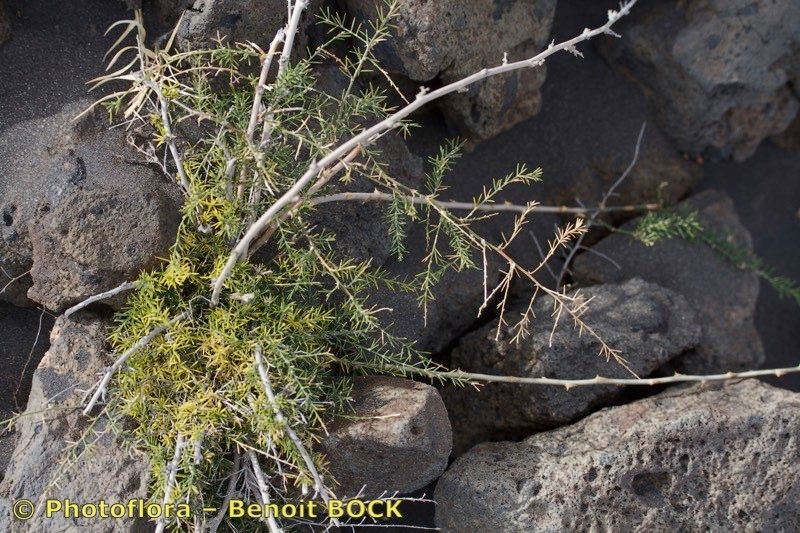
From Sprig to Stand: Grow Your Own Asparagus Squarrosus
Asparagus squarrosus, with its striking, spiky foliage, is more than just a beautiful addition to your garden. It’s a low-maintenance, drought-tolerant plant that’s easy to propagate and can thrive in various conditions. This makes it an ideal choice for both seasoned gardeners and beginners looking to expand their green thumbs!
This blog post will guide you through the exciting world of propagating Asparagus squarrosus, covering everything from seed sowing to division. We’ll delve into the methods, understand their differences, and provide you with the key tips for a successful journey!
Seeds: A New Life Begins
The most classic way to propagate Asparagus squarrosus is by sowing seeds. This method offers a rewarding experience, watching the tiny seeds sprout into vibrant plants. Here’s what you need to know:
- Harvesting Seeds: Collect ripe berries from your existing Asparagus squarrosus plant. These berries will be deep red, almost black.
- Sowing: Sow seeds in a seed tray filled with a well-draining potting mix. Keep the soil moist and maintain a temperature between 68°F and 77°F.
- Germination: Seeds typically sprout in 3-4 weeks. Once true leaves appear, you can transplant them into individual pots or your chosen garden spot.
Division: A Faster Track
If you already have an established Asparagus squarrosus plant, division is an efficient way to create new plants quickly. This process involves gently separating a portion of the plant’s roots, each containing a healthy set of shoots.
- Timing: Divide your Asparagus squarrosus in early spring before new growth emerges.
- Preparation: Dig around the plant carefully, exposing the root system.
- Separation: Look for areas where the root mass has naturally clustered. Using a sharp knife or garden trowel, gently separate these clusters into individual divisions.
- Repotting: Plant the divisions in separate pots or directly in your garden, ensuring each division has sufficient space for its roots.
Cuttings: An Alternative Approach
While less common than seeds or division, propagating Asparagus squarrosus from cuttings is still a viable option. This involves taking stem cuttings from the plant and inducing them to root.
- Cutting Selection: Choose a healthy, mature stem without flowers or fruits.
- Cutting Preparation: Cut a section of the stem, approximately 4 inches long. Remove the lower leaves and leave the top two or three leaves intact.
- Rooting: Plant the cutting in a mix of peat moss and vermiculite. Keep the soil consistently moist and maintain a warm, humid environment.
- Root Development: It can take several weeks for roots to develop. Once roots have formed, you can transplant the cutting into a pot or your final garden location.
Tips for Success
- Watering: Asparagus squarrosus prefers well-drained soil and should only be watered when the top layer is slightly dry.
- Sunlight: Place the plant in a sunny location with at least 6 hours of sunlight per day.
- Fertilizer: Feed your Asparagus squarrosus with a balanced fertilizer once a month during the growing season.
- Maintenance: Trim back any dry or dead foliage to encourage healthy growth.
Whether you opt for seeds, division, or cuttings, propagating Asparagus squarrosus is an enjoyable and rewarding experience. With a little care and attention, you can enjoy the beauty of this unique plant in your own garden, filling your space with vibrant greenery and a splash of exotic charm. So, choose your method, pick a sunny spot, and get ready to watch your new Asparagus squarrosus flourish!