
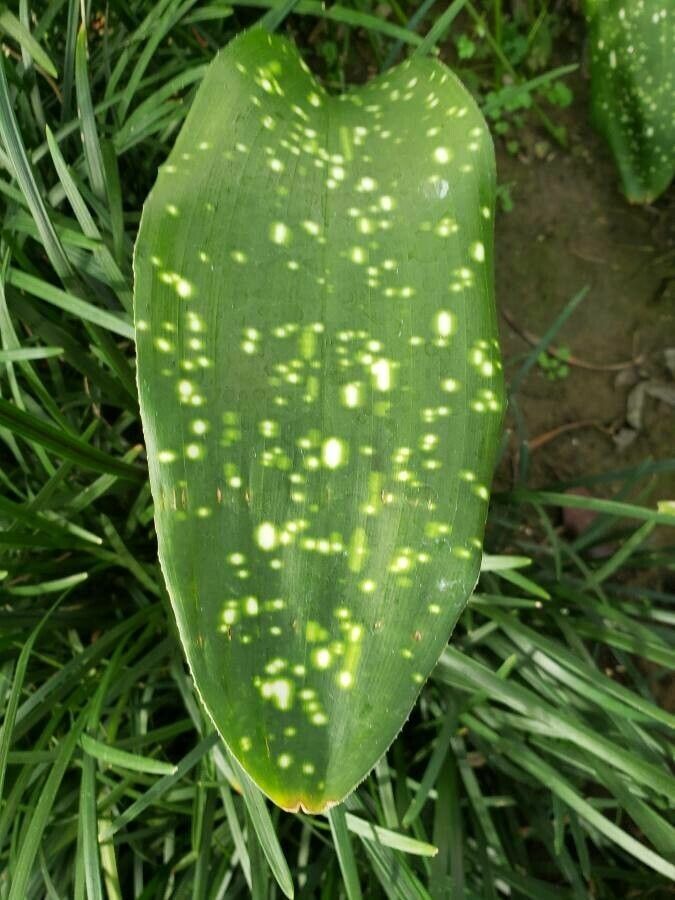
From One to Many: How to Propagate the Cast Iron Plant’s Rare Cousin
The Aspidistra sichuanensis, a lesser-known relative of the famous Cast Iron Plant, is gaining popularity for its striking foliage and resilience. But unlike its hardy counterpart, this Sichuan native is a bit more finicky when it comes to propagation. Don’t worry, though! With a little patience and the right approach, you can easily multiply your Aspidistra sichuanensis and fill your home (or even your garden) with these impressive plants.
The Challenges of Propagation
While the Aspidistra elatior is known for its easy propagation through division, the Sichuanensis is a bit more demanding. Its rhizomes, the underground stems that produce new shoots, are more delicate and easily damaged. This makes traditional division a bit riskier for this species.
The Most Effective Method: Division
Despite the challenges, division remains the most reliable method for propagating Aspidistra sichuanensis. Here’s how to do it:
- Choose the Right Time: The best time for division is during the spring or early summer when the plant is actively growing.
- Prepare the Plant: Gently remove the plant from its pot. You might need to loosen the soil and gently tap the pot to release the roots.
- Identify the Divisions: Look for sections of rhizomes that have their own set of leaves and roots. These individual sections make up the new plants.
- Divide with Care: Use a sharp, sterilized knife or pruning shears to carefully separate the rhizome sections. Be sure to cut through the rhizome cleanly, avoiding any damage.
- Potting Up: Plant each division in a pot with well-draining potting mix, ensuring that the rhizomes are buried slightly below the soil surface.
- Provide Adequate Conditions: Choose a location with dappled shade and consistently moist soil. Avoid overwatering, as this can lead to root rot.
Beyond Division: Other Methods
While less common, propagation from seed is a possible but more challenging option. Aspidistra sichuanensis produces small, inconspicuous flowers, which eventually give way to seeds. However, these seeds require specialized conditions to germinate, making this method more suitable for experienced plant enthusiasts.
Tips for Success
- Sterilize your tools: Always sterilize your tools before and after working with the rhizomes to minimize the risk of infections.
- Handle with care: Be gentle when dividing the rhizomes. Avoid pulling or tugging, as this can damage the delicate roots.
- Create optimal conditions: Provide your new plants with consistent moisture, controlled sunlight, and a nutrient-rich soil environment.
Enjoy Your Multiples!
With the right approach and a little patience, you can successfully propagate your Aspidistra sichuanensis and be on your way to a thriving collection of these captivating plants.
Remember, propagation is not only a method to increase the number of your plants but also an incredibly rewarding experience. It connects you more deeply with the growth and resilience of these fascinating botanical companions. So, dive in, experiment, and enjoy the journey of witnessing the beauty of life unfolding from a single plant into a thriving family.