
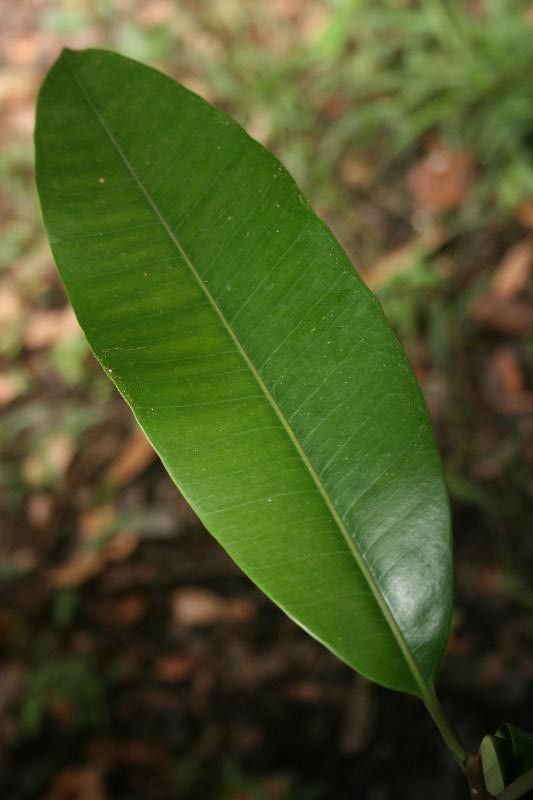
Unlocking the Secrets of Aspidosperma Album: A Guide to Propagation
Aspidosperma album, also known as the white guatambu, is a majestic tree native to South America. Prized for its beautiful timber and potential medicinal properties, this tropical wonder can also add a unique touch to your home or garden. But how do you go about propagating Aspidosperma album? It’s not as common as your typical houseplant, but with a little patience and the right knowledge, you can cultivate this magnificent species.
Understanding Aspidosperma Album
Before diving into propagation, let’s get acquainted with our subject. Aspidosperma album belongs to the Apocynaceae family, known for its milky sap and often-showy flowers. This particular species boasts fragrant, cream-coloured blossoms that attract various pollinators. While it can reach staggering heights in its natural habitat, it remains more manageable in cultivation.
Propagation Methods: Seeds vs. Cuttings
Aspidosperma album can be propagated through two primary methods:
1. Seed Propagation:
This is the most common and reliable technique. Here’s how to do it:
- Sourcing Seeds: Obtain fresh seeds from reputable suppliers specializing in tropical or rare plant species.
- Seed Preparation: Aspidosperma album seeds have a hard coat that benefits from scarification. Lightly rub the seed coat with sandpaper or a file to help with water absorption and germination.
- Sowing: Plant the scarified seeds in a well-draining seed starting mix, keeping them moist but not waterlogged. A warm, humid environment is ideal for germination, which can take several weeks. Consider using a seedling heat mat and humidity dome to create optimal conditions.
- Transplanting: Once seedlings develop a strong root system and several true leaves, they can be transplanted into individual pots with a well-draining potting mix.
2. Propagation from Cuttings:
This method is less common and can be trickier, but it offers a faster route to a mature plant. Here’s a breakdown:
- Timing is Key: Take cuttings during the active growing season (spring or early summer) when the plant is full of vigor.
- Selecting Cuttings: Choose healthy, semi-hardwood cuttings from the current year’s growth. They should be around 4-6 inches long with several nodes.
- Hormone Treatment: Dip the cut end of the cutting in rooting hormone powder to encourage root development.
- Planting and Care: Plant the treated cuttings in a well-draining potting mix and keep them consistently moist. Using a rooting hormone and maintaining high humidity (using a humidity dome or plastic bag) can significantly improve success rates.
Nurturing Your Aspidosperma Album
Once your Aspidosperma album is propagating successfully, whether from seed or cutting, ensure you provide the right care:
- Light: Provide bright, indirect light. Young plants may need protection from intense afternoon sun.
- Water: Water thoroughly when the top inch of soil feels dry, allowing excess water to drain. Avoid overwatering, as this can lead to root rot.
- Humidity: As a tropical plant, Aspidosperma album appreciates higher humidity levels. Consider using a humidifier or placing a tray of water near the plant.
- Fertilizer: Feed with a balanced, diluted fertilizer during the growing season (spring and summer).
Patience is Key
Propagating Aspidosperma album, especially from seed, requires patience. It’s a rewarding experience to nurture this striking tree from its early stages and watch it flourish. Remember, success lies in understanding the plant’s needs, providing the right environment, and offering consistent care. With dedication and a bit of green-thumb magic, you too can grow this botanical treasure.