
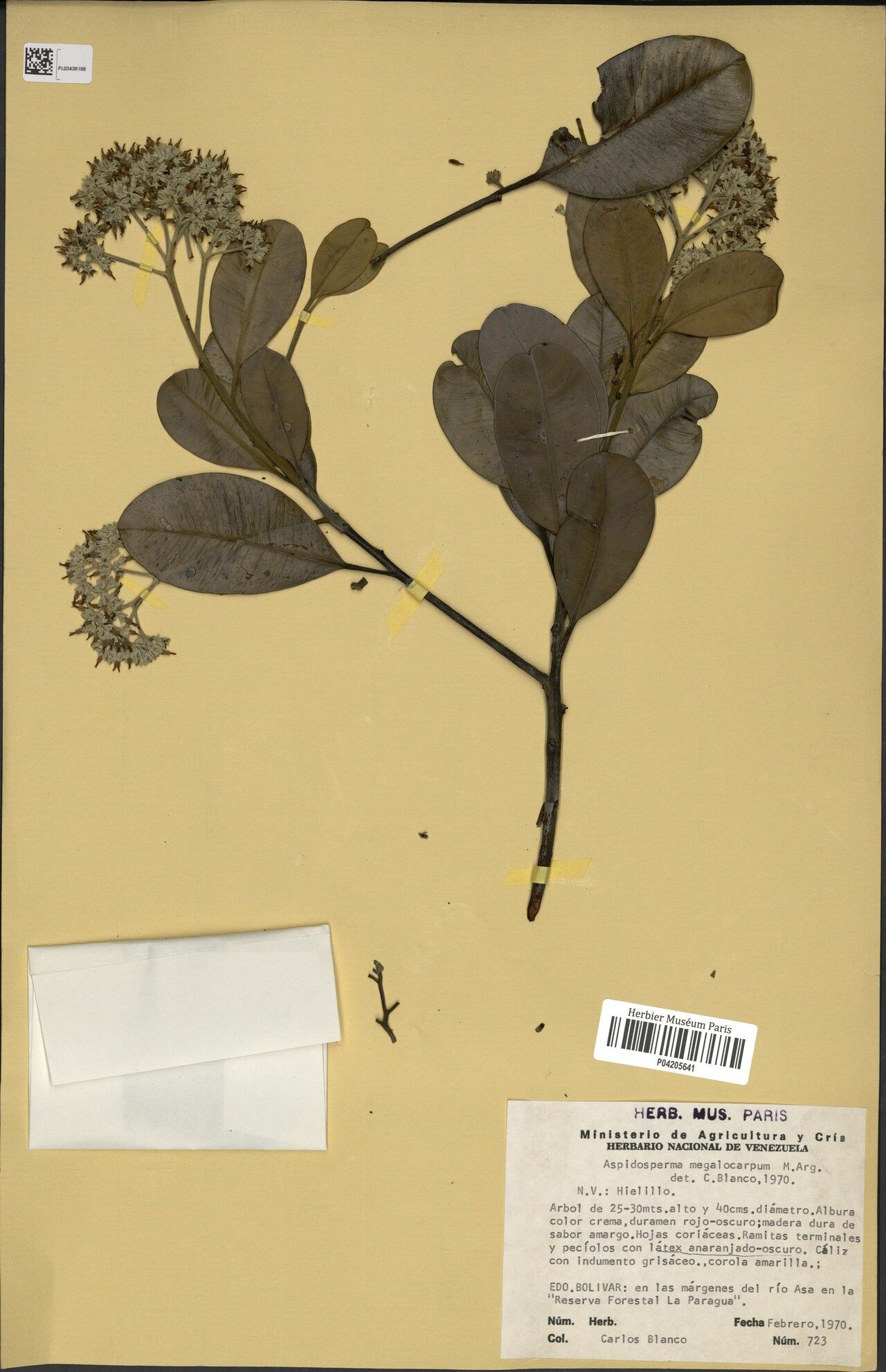
Propagating Aspidosperma eteanum: A Gardener’s Challenge and Reward
Aspidosperma eteanum, also known as the Peroba-rosa (though this name can be applied to other Aspidosperma species), is a striking tree valued for its attractive, often reddish-brown wood and its potential for landscaping use in warmer climates. Its relatively slow growth and unique characteristics make it a desirable addition to gardens, yet propagating this species presents considerable challenges. Its popularity amongst enthusiasts is directly tied to the satisfaction derived from successfully cultivating this plant from the relative difficulties encountered.
Seed Germination:
Currently, there are no known reliable methods for seed germination propagation of Aspidosperma eteanum. While seeds may be produced, their viability is often extremely low, and even with careful handling, germination rates remain disappointingly poor. Further research into specific seed treatment and germination requirements is needed.
Cuttings:
Propagating Aspidosperma eteanum from cuttings presents significant hurdles. The success rate is generally low due to the plant’s hardwood nature and tendency for rot.
- Challenges: Hardwood cuttings of Aspidosperma eteanum are notoriously difficult to root. The large size of mature stems makes them difficult to use whilst smaller stems, though easier to manage pose high risk of rotting before rooting.
- Practical Tips: If attempting this difficult method, it’s crucial to use semi-hardwood cuttings taken in late summer or early autumn. Hormone rooting powders may help, but success is far from guaranteed. The cuttings should be planted in a well-draining, sterile medium (such as perlite and vermiculite) and maintained under high humidity and moderate warmth. Avoid overwatering, which often leads to decay.
- Rewards: Despite the low success rate, producing a plant this way offers a sense of satisfaction similar to growing any challenging plant species. A successful propagation from cuttings can provide valuable genetic material, offering increased genetic diversity potentially helping preserve genetic variation if used as propagation stock. However, the amount of cuttings that must be prepared to yield a few successes makes this method impractical for large-scale efforts.
Division:
Division is not a feasible method for propagating Aspidosperma eteanum. This tree is not a clonal plant forming offsets or rhizomes like some other plants that can be readily divided.
Tissue Culture:
Tissue culture presents the most promising, though still complex, method for propagating Aspidosperma eteanum.
- Challenges: Establishing sterile cultures and developing suitable growth media for Aspidosperma eteanum requires specialized knowledge and equipment. Finding a suitable cytokinin to auxin ratio is critical for successful shoot multiplication. The process is time-consuming and expensive.
- Practical Tips: Aseptic techniques are essential to prevent contamination. Experts with experience in tissue culture of recalcitrant woody species will be an invaluable asset. Appropriate nutrient media and growth conditions must be carefully controlled.
- Rewards: Tissue culture offers the potential for mass propagation, preserving genetically identical plants, and producing disease-free stock. It overcomes the issues of low seed germination and difficult rooting from cuttings
Conclusion:
Propagating Aspidosperma eteanum presents a significant challenge for even experienced horticulturalists. While seed germination appears unviable currently, cuttings offer a low-success-rate alternative in small-scale propagation efforts, and division is not possible. Tissue culture stands out as the most promising technique for large-scale propagation while demanding significant expertise, investment, and resources.. The difficulty involved highlights the unique rewards of successfully cultivating this magnificent tree. The knowledge gained and the satisfaction associated with the successful rooting of even one cutting or the establishment of a single tissue culture line can be deeply rewarding. For aspiring propagators, persistence, thorough research, and access to resources (especially for tissue culture) will greatly improve the chance of success. Don’t be discouraged by initial setbacks; the journey itself builds experience and reveals the beauty of mastering challenging propagation techniques.