
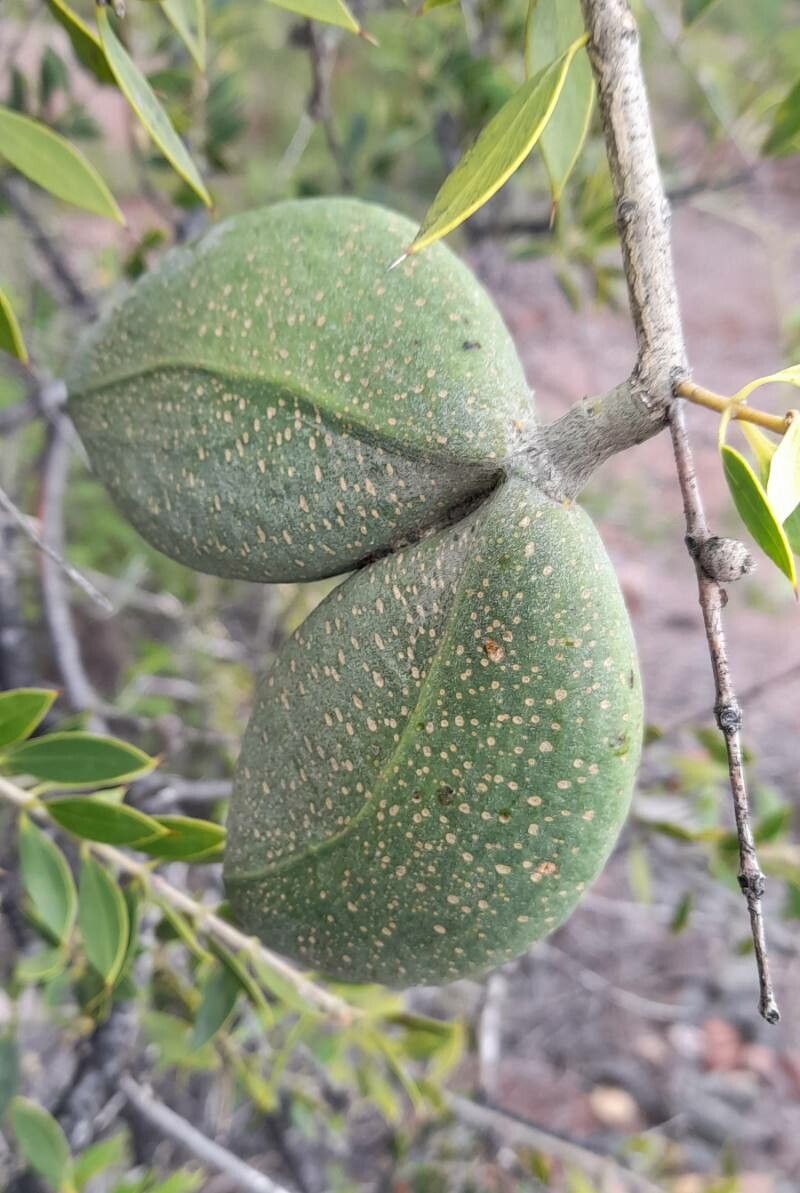
Propagating Aspidosperma quebracho-blanco: A Guide to the White Quebracho
Introduction:
Aspidosperma quebracho-blanco, commonly known as White Quebracho, is a majestic tree native to the Gran Chaco region of South America. Known for its striking, durable wood and medicinal properties, it’s gaining popularity among gardeners drawn to its unique characteristics and resilience. However, its propagation presents several challenges not commonly encountered with other ornamental trees. This guide explores various methods, outlining the difficulties and successes associated with each approach.
Seed Germination:
Currently, there are no known reliable methods for seed germination propagation of Aspidosperma quebracho-blanco. While seeds may be produced, germination rates are exceptionally low, likely due to dormancy mechanisms within the seed coat and potentially other physiological factors related to the species’ natural regeneration strategy. Further research is required to identify effective pre-treatment techniques, such as scarification or specific stratification protocols, that might improve germination success.
Cuttings:
Propagating Aspidosperma quebracho-blanco from cuttings presents significant challenges. Initial attempts show low success rates. The hardiness of the wood makes it difficult for cuttings to root, even with the use of rooting hormones.
Challenges: Extremely low rooting success rate, even with hormonal treatments. The mature wood is resistant to rooting.
Practical Tips: Semi-hardwood cuttings taken in late summer or early autumn might offer the best chance of success. The use of bottom heat and a high-humidity environment is crucial. Consider experimentation with different rooting hormones and wounding techniques.
Rewards: If successful, cuttings offer a method to rapidly propagate desirable genotypes.
Division:
Division is not a viable propagation method for Aspidosperma quebracho-blanco. This species develops a substantial taproot system making division impractical and likely fatal to the parent plant.
Tissue Culture:
Tissue culture offers the most promising, albeit technically demanding, method for propagating Aspidosperma quebracho-blanco.
Challenges: Establishing sterile cultures initially may require extensive experimentation to determine optimal media composition, growth regulators, and sterilization protocols. The process requires specialized equipment and expertise.
Practical Tips: Research should focus on identifying appropriate explant types (e.g., nodal segments, shoot tips) and developing efficient protocols for shoot multiplication and rooting.
Rewards: Tissue culture allows for mass propagation of genetically identical plants, producing large numbers within a short timeframe. This opens opportunities for efficient conservation and commercial deployment of improved varieties.
Conclusion:
Propagating Aspidosperma quebracho-blanco presents a unique set of challenges. While seed germination appears unreliable at present, cuttings offer a degree of possibility with intensive effort, and division is infeasible. Tissue culture holds the most promise for large-scale propagation but demands specialized knowledge and resources. The rewards, however, are significant. The successful propagation of this impressive tree, whether through meticulous cuttings or cutting-edge tissue culture techniques, is a testament to perseverance and a rewarding experience for even the most seasoned plant enthusiast. The unique beauty and resilience of the White Quebracho make the effort worthwhile. Aspiring propagators should be prepared for setbacks and embrace the learning process as part of the journey. Further research into optimal propagation techniques is crucial to unlocking the full potential of this remarkable species.