
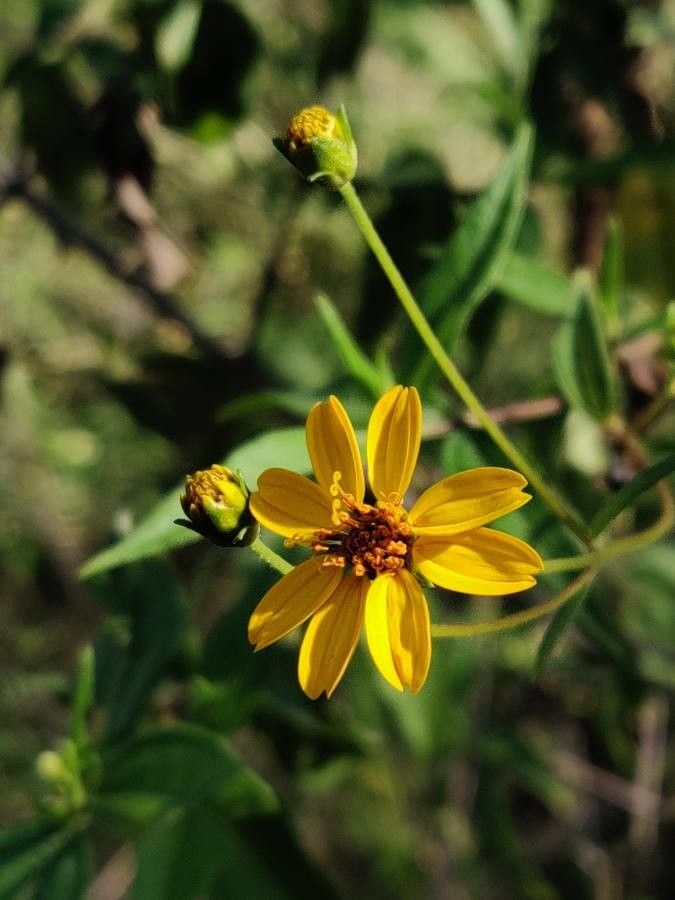
Propagating Aspilia mossambicensis: A Gardener’s Guide
Introduction
Aspilia mossambicensis, commonly known as the "black-jack" or "fever-plant" is a robust, perennial herb belonging to the Asteraceae family. Native to eastern and southern Africa, it’s valued for its medicinal properties, traditionally used to treat various ailments. Its attractive foliage and prolific flowering make it increasingly popular amongst gardeners, particularly those interested in ethnobotanical and medicinal plants. However, propagating this species can present some unique challenges, making successful cultivation all the more rewarding.
Seed Germination
Currently, there are no known reliable methods for seed germination propagation of Aspilia mossambicensis. While the plant produces seeds, their germination rate is reportedly extremely low, and successful germination under controlled conditions hasn’t been widely documented. Further research is needed to determine if specific pre-treatment techniques (such as scarification or stratification) could improve germination success.
Cuttings
Cuttings offer a more reliable method for propagating Aspilia mossambicensis.
Challenges: While relatively straightforward, the success rate can vary depending on several factors including the timing of the cuttings (preferably during the active growing season), the use of rooting hormone, and maintaining consistent humidity and temperature. Improper hygiene can also lead to fungal infections.
Practical Tips: Take semi-hardwood cuttings (6-8 inches long) from healthy, non-flowering stems. Remove lower leaves to prevent rotting. Dip the cut ends in rooting hormone before planting in a well-draining potting mix, ideally under mist propagation conditions or a humidity dome. Maintain consistent moisture without overwatering.
Rewards: Cuttings provide a quicker way to obtain new plants compared to other methods. It also offers a reliable way to preserve desirable traits of a mother plant.
Division
Division is a viable method for propagating established Aspilia mossambicensis plants.
Challenges: This method is only suitable for mature, well-established plants with a substantial root system. Dividing too small a section can result in the failure of the newly divided plant to thrive. Careful handling is crucial to avoid damaging the roots, which can hinder establishment.
Practical Tips: Divide the plant during spring or early summer when growth is active. Dig up the entire plant carefully, separating it into individual crowns or sections, ensuring each has a healthy portion of roots and stems. Replant sections immediately, ensuring proper watering.
Rewards: Division allows for quick multiplication of mature, healthy plants, replicating desired characteristics with minimal effort compared to other methods.
Tissue Culture
Tissue culture presents the potential for large-scale propagation of Aspilia mossambicensis.
Challenges: Establishing a successful tissue culture protocol for Aspilia mossambicensis requires specialized knowledge, equipment, and a sterile environment. Finding the optimal media composition and growth regulators to induce callus formation, shoot multiplication, and rooting is crucial for success. This is a more complex and expensive method than cuttings or division.
Practical Tips: This method should be attempted only by those with prior experience in plant tissue culture techniques. Standard protocols for Asteraceae family members may provide a starting point but optimization is likely necessary.
Rewards: Tissue culture offers the highest potential for large-scale, clonal propagation, ensuring the preservation of desirable genetic traits and potentially enabling mass production for medicinal or horticultural purposes.
Conclusion
Propagating Aspilia mossambicensis presents unique challenges, with seed germination proving unreliable. However, cuttings and division offer relatively accessible methods for gardeners with varying levels of experience. Tissue culture presents a potentially powerful tool for large scale propagation, although requiring specialized training and resources. The satisfaction of nurturing these plants from cuttings or divisions, overcoming the obstacles, and witnessing their growth and flowering is a rewarding experience for any plant enthusiast. Patience, attention to detail, and a willingness to experiment are essential for successfully cultivating this valuable and intriguing plant. Don’t be discouraged by initial setbacks, persevering through the challenges is part of the journey of becoming a successful Aspilia mossambicensis propagator.