
Propagating the Black Spleenwort: A Gardener’s Guide to Asplenium adiantum-nigrum
Introduction
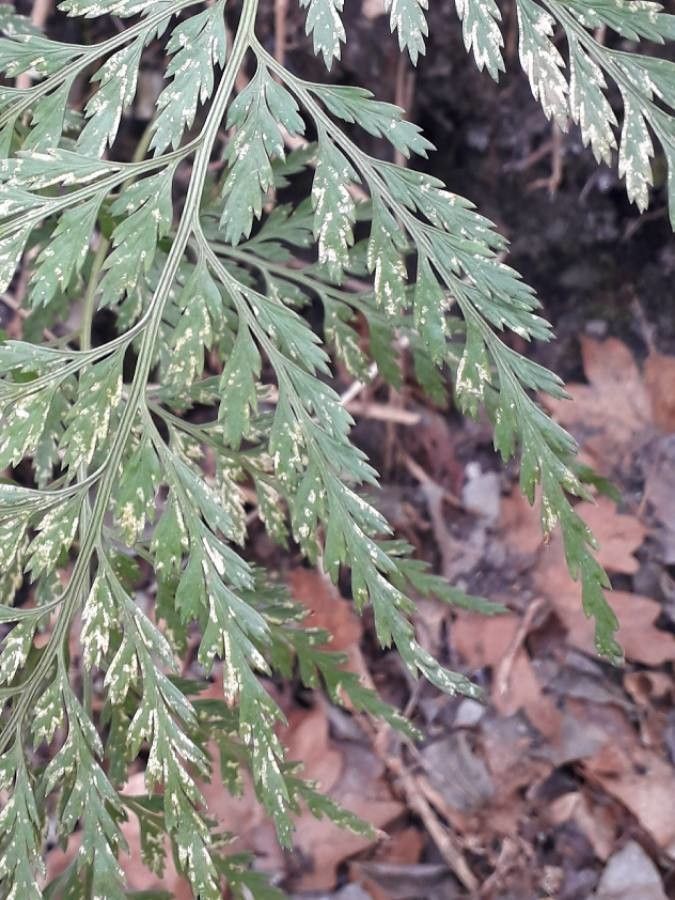
Asplenium adiantum-nigrum, commonly known as the black spleenwort, is a captivating fern prized for its delicate, dark-green fronds and its ability to thrive in shaded, rocky environments. Its attractive, almost black, stipes (leaf stalks) and triangular pinnae (leaflets) make it a popular choice for rock gardens, shady borders, and even container gardening. While its natural habitat is often challenging, its propagation presents unique challenges and rewards for the dedicated gardener. Its relative rarity in horticulture contributes to the satisfaction of successful propagation.
Seed Germination
Currently, there are no known reliable methods for seed germination propagation of Asplenium adiantum-nigrum. Spore production in ferns can be unpredictable, and even when spores are produced, germination rates are notoriously low and often require highly specialized laboratory conditions. The intricacies of spore germination, including the need for specific light, humidity, and nutrient levels, present significant hurdles for the average home gardener.
Cuttings
Cuttings are not a viable method for propagating Asplenium adiantum-nigrum. Ferns generally do not readily propagate from stem or leaf cuttings. They lack the meristematic tissue required for successful root and shoot development from severed fragments.
Division
Division offers the most reliable method for propagating Asplenium adiantum-nigrum. This involves carefully separating the rhizome (underground stem) into sections, each containing several healthy fronds and roots.
Challenges: Successfully dividing this fern requires patience and a careful touch to avoid damaging the delicate rhizome. Overly aggressive division can weaken or kill the plant. The best time for division is during the spring or early summer, when the plant is actively growing.
Practical Tips: Gently loosen the soil around the mature plant to expose the rhizome. Use a sharp, clean knife or spade to divide the rhizome into sections, ensuring each section has at least three to four healthy fronds and a good root system. Replant the divisions immediately in well-drained, moist soil, rich in organic matter, in a shady location.
Rewards: Division allows for the rapid multiplication of established plants, preserving the genetic characteristics of the parent plant. It is a relatively straightforward method, requiring fewer specialized materials compared to other techniques.
Tissue Culture
Tissue culture is a viable, though highly specialized, method for propagating Asplenium adiantum-nigrum. This technique involves growing plantlets from small pieces of sterile plant tissue in a controlled laboratory environment.
Challenges: Tissue culture requires specialized equipment, a sterile environment, and a detailed understanding of plant tissue culture protocols. It is generally not feasible for the average home gardener. Contamination of cultures is a common issue, potentially leading to the loss of valuable plant material.
Practical Tips: The process generally involves sterilizing plant material, placing it on a nutrient-rich agar medium, and then maintaining sterile conditions throughout the process. Specialized skills and equipment are necessary.
Rewards: Tissue culture allows for mass propagation and the possibility of disease eradication, producing disease-free clones. It offers the highest potential for large-scale propagation, making it valuable for commercial growers.
Conclusion
Propagating Asplenium adiantum-nigrum presents a unique set of challenges. While seed germination and cuttings are not viable options, division offers a relatively accessible approach for keen gardeners, albeit one requiring a delicate hand. Tissue culture provides the most efficient method, but demands greater expertise. The rewards – the success of nurturing a rare and beautiful fern from a simple division or successful tissue culture – are substantial, rewarding the gardener with a sense of accomplishment well worth the effort. For those new to fern propagation, starting with division is a good approach to gain experience before potentially attempting more demanding techniques. The satisfaction of watching these resilient plants thrive, after overcoming the inherent difficulties of propagation, makes the journey uniquely rewarding.