
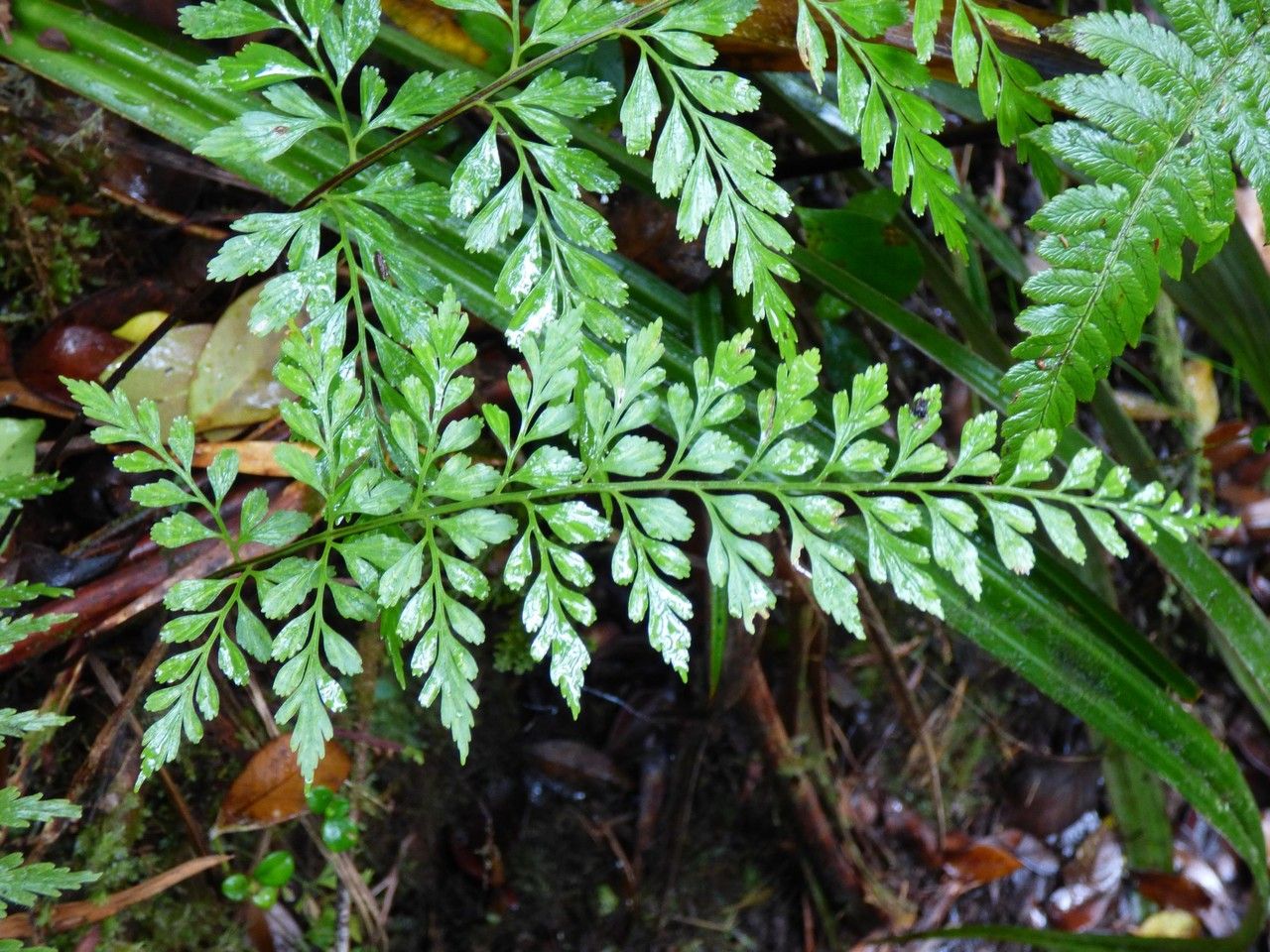
Propagating Asplenium affine: A Gardener’s Guide to the Bird’s Nest Fern
Asplenium affine, commonly known as the Bird’s Nest Fern, is a captivating epiphyte renowned for its architectural elegance. Its glossy, strap-like fronds radiate from a central crown, creating a striking rosette that resembles a bird’s nest –hence its common name. This fern’s popularity stems not only from its aesthetic appeal but also its relatively easy care requirements, making it a coveted addition to both indoor and outdoor (in appropriate climates) collections. However, propagation presents unique challenges requiring a deeper understanding of the plant’s reproductive biology.
Seed Germination:
Currently, there are no known reliable methods for seed germination propagation of Asplenium affine. Bird’s Nest Ferns, like many ferns, rarely produce viable spores in cultivated settings. Even when spores are produced, the germination process is exceptionally delicate and requires highly specialized conditions rarely achievable by home gardeners.
Cuttings:
Propagating Asplenium affine from cuttings is also generally unsuccessful. Unlike some plants, the fern does not readily develop roots from stem or leaf cuttings. Attempting this method typically results in the death of the cutting due to the plant’s inability to regenerate its vascular system from such fragments.
Division:
Division is the most commonly employed and successful method for propagating Asplenium affine. This method involves separating the plant’s rhizome into smaller sections, each containing multiple fronds and healthy roots.
- Challenges: Dividing the rhizome must be done carefully to avoid damaging the delicate roots and fronds. Overly small divisions may struggle to establish themselves.
- Practical Tips: The best time to divide is during the active growing season (spring or early summer). Use a clean, sharp knife or shears to divide the rhizome, ensuring each division possesses a healthy portion of root system and several fronds. Plant the divisions in a well-draining potting mix suitable for epiphytes, keeping the potting medium moist but not waterlogged.
- Rewards: Division offers a relatively straightforward way to increase the number of Bird’s Nest Ferns, preserving the genetic characteristics of the parent plant.
Tissue Culture:
Tissue culture offers a potentially highly-rewarding, yet technically-demanding approach to propagating Asplenium affine. This laboratory-based method involves growing plantlets from small pieces of tissue under sterile conditions.
- Challenges: Tissue culture requires specialized equipment, sterile techniques, and a detailed understanding of plant hormones and growth media. It is not a method suitable for the average home gardener.
- Practical Tips: This method should only be attempted by individuals with experience in plant tissue culture. The process involves sterilizing the plant material, placing it on a growth medium containing nutrients and plant hormones, and maintaining a sterile environment to prevent contamination.
- Rewards: Tissue culture allows for large-scale propagation and the potential for disease-free plants. It is a valuable technique for commercial growers and researchers.
Conclusion:
Propagating Asplenium affine presents differing levels of challenge depending on the method. While seed germination and cuttings are largely unsuccessful, division offers a practical and rewarding method for home gardeners. Tissue culture, although capable of mass propagation, demands significant expertise and resources. The satisfaction derived from successfully propagating this elegant fern, particularly through division, is undeniable. Mastering the art of division, with its careful handling and delicate balance of moisture, reinforces the grower’s connection with the natural world and provides a tangible reminder of their horticultural skill. So, embrace the challenge, and the vibrant beauty of your propagated Bird’s Nest Fern will be a testament to your patience and dedication.