
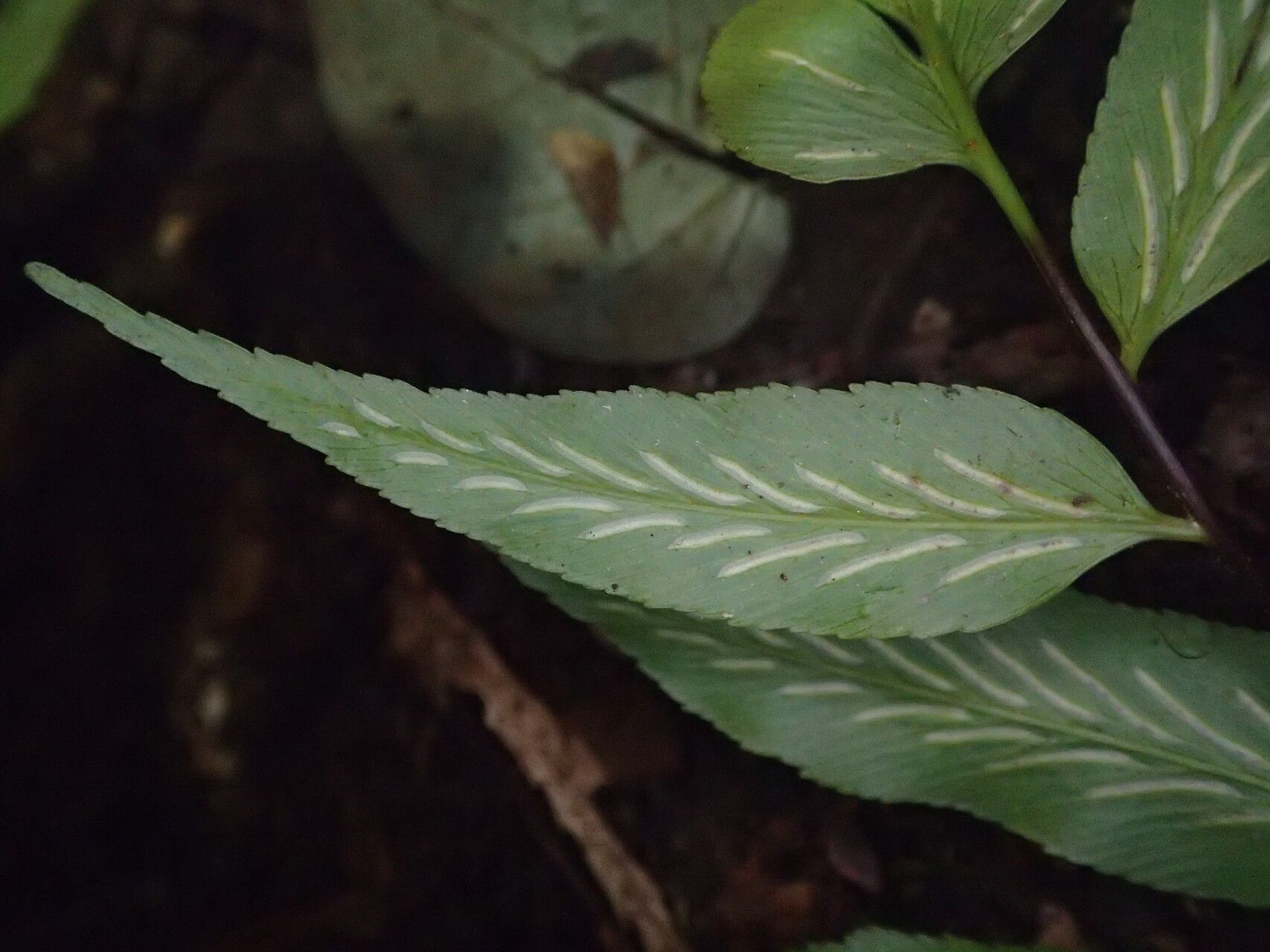
Propagating Asplenium biafranum: A Fern Lover’s Challenge
Asplenium biafranum, commonly known as the African spleenwort or Biafran spleenwort, is a captivating fern prized for its attractive, delicate fronds and relatively easy care. Its popularity among indoor and outdoor gardeners (in appropriate climates) stems from its tolerance of low light conditions and its ability to thrive in humid environments. However, its propagation presents a unique set of challenges, making successful cultivation all the more rewarding. This article explores various propagation methods for Asplenium biafranum, outlining their feasibility and offering practical advice.
Seed Germination:
Currently, there are no known reliable methods for seed germination propagation of Asplenium biafranum. Ferns in the Asplenium genus often rely on spores, not seeds, for reproduction, and even spore germination can be quite challenging. Successful spore germination requires meticulous control of humidity, temperature, and light, making it unsuitable for the average home gardener. Furthermore, research on Asplenium biafranum spore germination is limited.
Cuttings:
Cuttings are also not a viable method for propagating Asplenium biafranum. Unlike some plants that can regenerate from stem or leaf cuttings, this fern necessitates different propagation techniques.
Division:
Division is the most successful and practical method for propagating Asplenium biafranum. This involves carefully separating the rhizomes (underground stems) of a mature plant into multiple sections, each containing several fronds and healthy roots.
Challenges: Dividing the rhizomes without damaging them requires patience and a gentle hand. Overly aggressive division can lead to plant failure. Ensuring each section possesses sufficient root mass is critical for successful establishment.
Tips: The best time for division is during the plant’s active growing season (spring or early summer). Use a sharp, sterile knife or shears to divide the rhizomes. Plant each division immediately into a well-draining potting mix that retains some moisture. Provide high humidity and indirect light.
- Rewards: Division allows for relatively quick propagation, producing multiple plants from a single mature specimen. The resulting plants are genetically identical to the parent plant, maintaining desirable characteristics.
Tissue Culture:
Tissue culture is a more advanced propagation method, requiring specialized equipment and expertise. While theoretically possible for Asplenium biafranum, it’s not commonly practiced by home enthusiasts.
Challenges: Establishing sterile conditions and selecting suitable growth media are critical for success. The process is technically demanding, requiring a controlled environment and specific expertise in plant tissue culture techniques.
Tips: Tissue culture offers the potential for large-scale propagation and genetic improvement, but requires substantial investment in equipment and training.
- Rewards: Tissue culture enables the rapid production of large numbers of genetically identical plants, ideal for commercial propagation or conservation efforts.
Conclusion:
Propagating Asplenium biafranum presents challenges, but the rewards are well worth the effort. While seed and cutting propagation are not viable options, division offers a straightforward method achievable by most gardeners. Tissue culture provides a powerful yet complex alternative for those with the necessary resources and expertise. The satisfaction of successfully cultivating this beautiful fern from a small division or via tissue culture underscores the unique connection between gardener and plant. Don’t be discouraged by the challenges— the beauty and grace of a thriving Asplenium biafranum makes the effort worthwhile. Remember patience and careful attention to detail are key to reproducing this captivating species.