
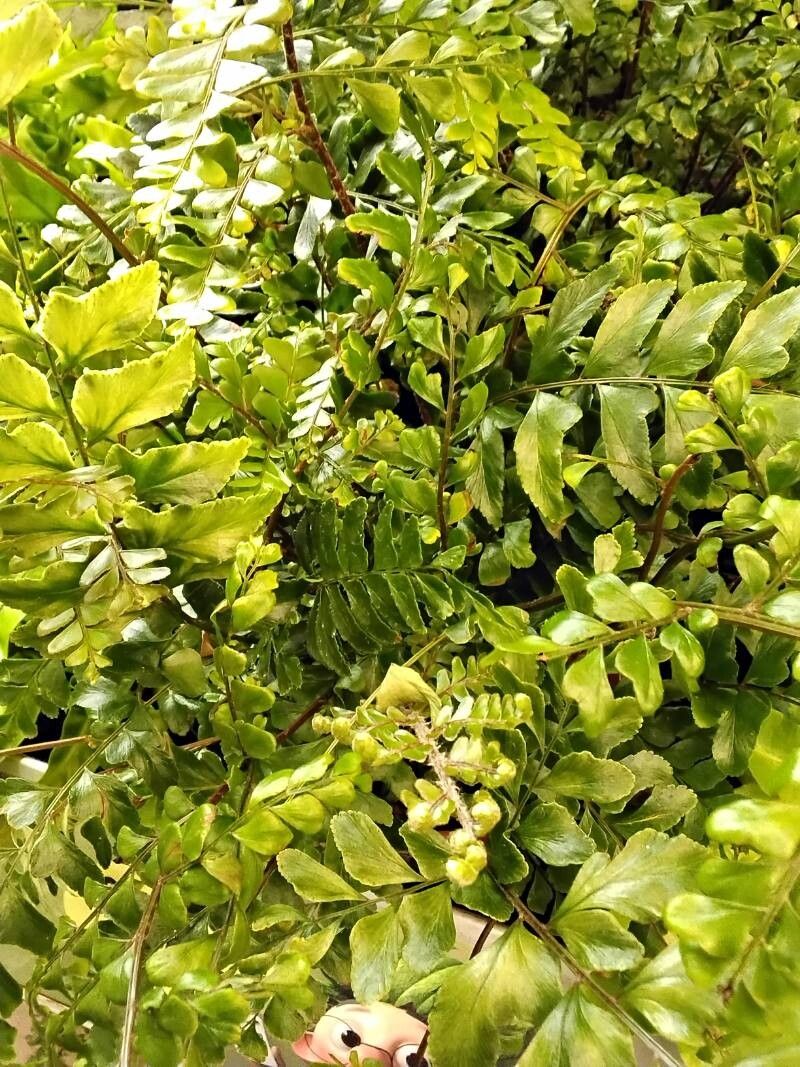
Propagating Asplenium bipartitum: A Gardener’s Guide
Introduction:
Asplenium bipartitum, commonly known as the forked spleenwort, is a fascinating fern prized for its delicate, deeply divided fronds and adaptable nature. Its unique, often dichotomous branching pattern sets it apart from other ferns, making it a desirable addition to shaded gardens and indoor ferneries. While relatively easy to care for once established, propagating Asplenium bipartitum presents unique challenges, making successful propagation a rewarding accomplishment for the dedicated fern enthusiast. Its popularity stems from its aesthetic appeal and its relative tolerance of varying conditions, compared to some more fastidious fern species. However, unlike many flowering plants, relying on seed propagation in Asplenium bipartitum is extremely difficult.
Seed Germination:
Currently, there are no known reliable methods for seed germination propagation of Asplenium bipartitum. Spores are produced, but germination rates are exceptionally low, hampered by complex and often poorly understood environmental requirements. Attempts at germination have yielded little success even under controlled laboratory conditions. The challenges lie primarily in the delicate nature of the spores and the precise conditions required for successful germination.
Cuttings:
Cuttings are also not a viable propagation method for Asplenium bipartitum. Ferns, unlike many flowering plants, do not readily regenerate from stem or leaf cuttings. This is due to their unique vascular system and lack of meristematic tissue in the same way flowering plant stems do.
Division:
Division is the most reliable and commonly used method for propagating Asplenium bipartitum. This involves carefully separating the rhizome (underground stem) into smaller sections, each containing several healthy fronds and roots.
- Challenges: Care must be taken to avoid damaging the delicate rhizome and roots. Overly small divisions may struggle to re-establish themselves. Successful division requires a sharp, clean knife or shears.
- Practical Tips: The best time to divide is during the growing season (spring or early summer). Gently tease apart the rhizome, ensuring each division has a healthy root system. Plant the divisions immediately into well-draining, moist potting mix suitable for ferns. Maintain high humidity and consistent moisture until new growth appears.
- Rewards: Division is straightforward, offers a relatively high success rate, and provides a quick way to increase the number of plants. It maintains the genetic characteristics of the parent plant.
Tissue Culture:
Tissue culture is a more advanced technique that offers the potential for large-scale propagation of Asplenium bipartitum. It involves growing plantlets from small pieces of sterile tissue in a controlled laboratory environment.
- Challenges: This method requires specialized equipment, aseptic techniques, and a detailed knowledge of plant tissue culture protocols. It can be expensive and time-consuming. Finding the optimal nutrient media for this species may require experimentation.
- Practical Tips: This method is best left to experienced plant tissue culturists. Successful propagation necessitates rigorous sterilization to avoid contamination.
- Rewards: Tissue culture allows for the mass production of genetically identical plants, offering potential for commercial propagation and conservation efforts.
Conclusion:
Successfully propagating Asplenium bipartitum presents certain unique challenges, primarily due to its limited response to common propagation techniques like cuttings and seed germination. While division stands as the most accessible and reliable method for home gardeners, it still requires care and attention. Larger-scale propagation requires the expertise of tissue culture. The rewards, however, are significant. The unique satisfaction of nurturing a small division into a thriving plant, or successfully establishing a tissue culture colony, far outweighs the difficulties. For aspiring propagators, focus on mastering the technique of division as the most practical approach. With patience, attention to detail, and the right conditions, the beautiful fronds of the forked spleenwort can be enjoyed in abundance.