
Unlocking the Secrets of Asplenium buettneri Propagation: A Guide to Multiplying Your Bird’s Nest Fern
The Asplenium buettneri, more affectionately known as the Bird’s Nest Fern, is a striking addition to any home with its vibrant green fronds and unique nest-like structure. While relatively low-maintenance, many plant enthusiasts wonder how to propagate this beauty and spread its verdant charm. Luckily, unlocking the secrets of Asplenium buettneri propagation isn’t as daunting as it may seem. This guide will equip you with the knowledge to multiply your fern and share its beauty with others.
Understanding the Asplenium buettneri
Before diving into propagation techniques, it’s beneficial to understand the plant itself. The Asplenium buettneri is an epiphytic fern, meaning it naturally grows on other surfaces like trees, rather than directly in soil. This characteristic plays a crucial role in understanding its propagation methods.
Methods of Propagation
Unlike many houseplants, propagating Asplenium buettneri from cuttings isn’t feasible. However, two methods reign supreme:
1. Spore Propagation:
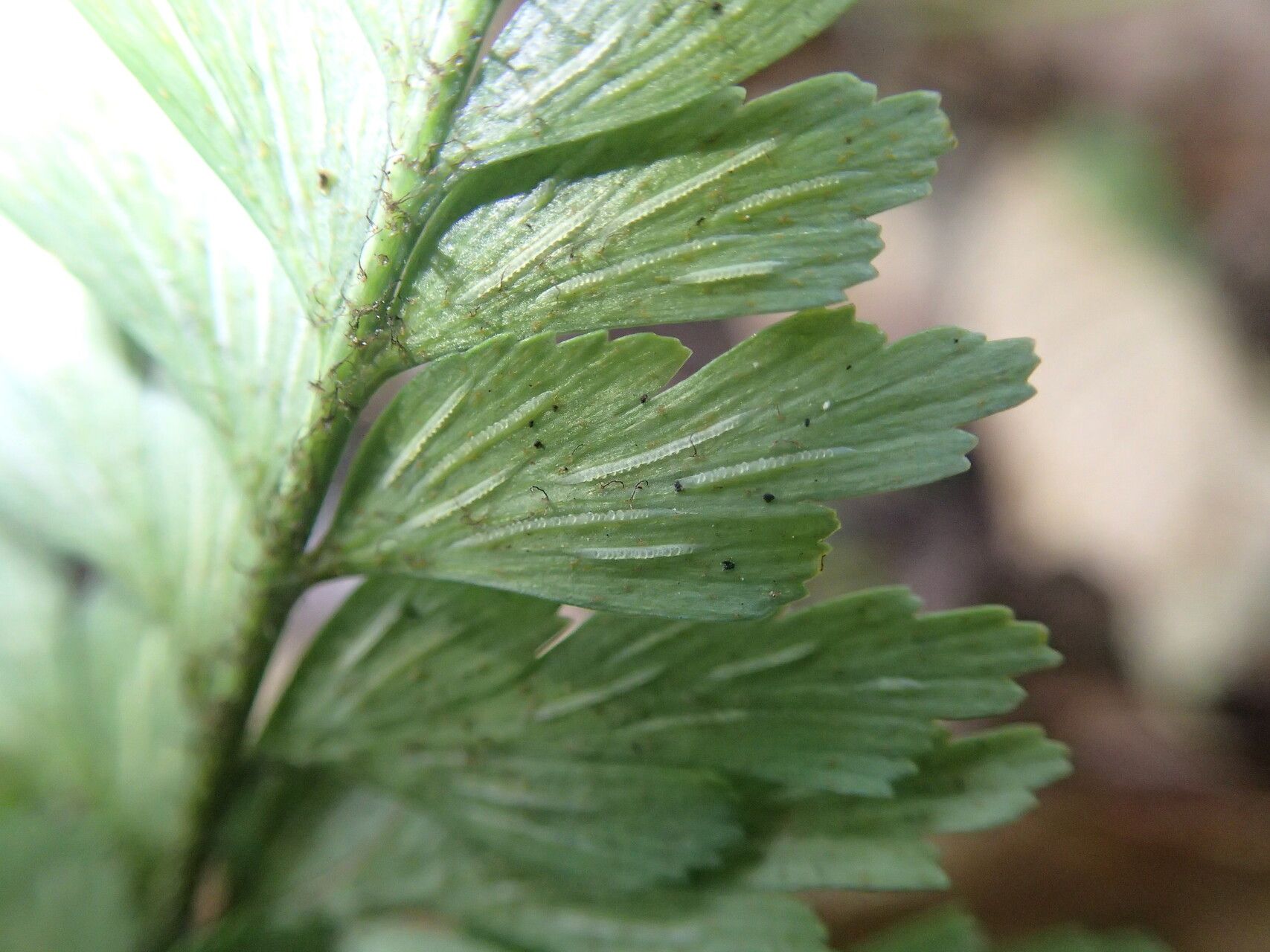
- The Process: Asplenium buettneri produces spores on the underside of its fronds. These appear as small brown dots clustered in lines. To collect spores, carefully cut a frond with mature spores and place it in a paper bag to dry. Once dry, the spores will release from the frond and collect at the bottom of the bag.
- Prepare a propagation tray with moist, sterile seed starting mix.
- Sprinkle the spores over the surface of the mix and mist lightly with water.
- Cover the tray with a clear lid or plastic wrap to create a humid environment.
- Place the tray in a warm, well-lit location, out of direct sunlight.
- Time & Patience: Spore propagation is more time-consuming. It can take several weeks for spores to germinate and several months for them to develop into plantlets large enough to transplant.
2. Division:
- The Process: Mature Asplenium buettneri often develop offshoots, or “pups,” at their base. These pups can be carefully separated from the mother plant for propagation.
- Gently remove the plant from its pot.
- Using a clean, sharp knife or shears, carefully separate a pup from the main plant, ensuring it has its own root system.
- Plant the pup in a well-draining potting mix, similar to the one used for the mother plant.
- Advantages: Division is a quicker method compared to spores as you are starting with an already developed plant.
Care for Newly Propagated Plants
Both spores and divisions thrive in a warm, humid environment. Here are some tips:
- Humidity is Key: Placing your propagation tray or newly potted pup on a pebble tray filled with water will increase humidity.
- Indirect Light: Choose a bright spot out of direct sunlight.
- Watering: Keep the growing medium consistently moist but avoid overwatering, which can lead to root rot.
Patience is Rewarded
Propagating Asplenium buettneri, while not as instant as some plants, is a rewarding experience. The process connects you to the plant’s natural life cycle and allows you to expand your plant family. So, go forth, unlock the secrets of propagation, and let your Bird’s Nest Fern collection flourish!