
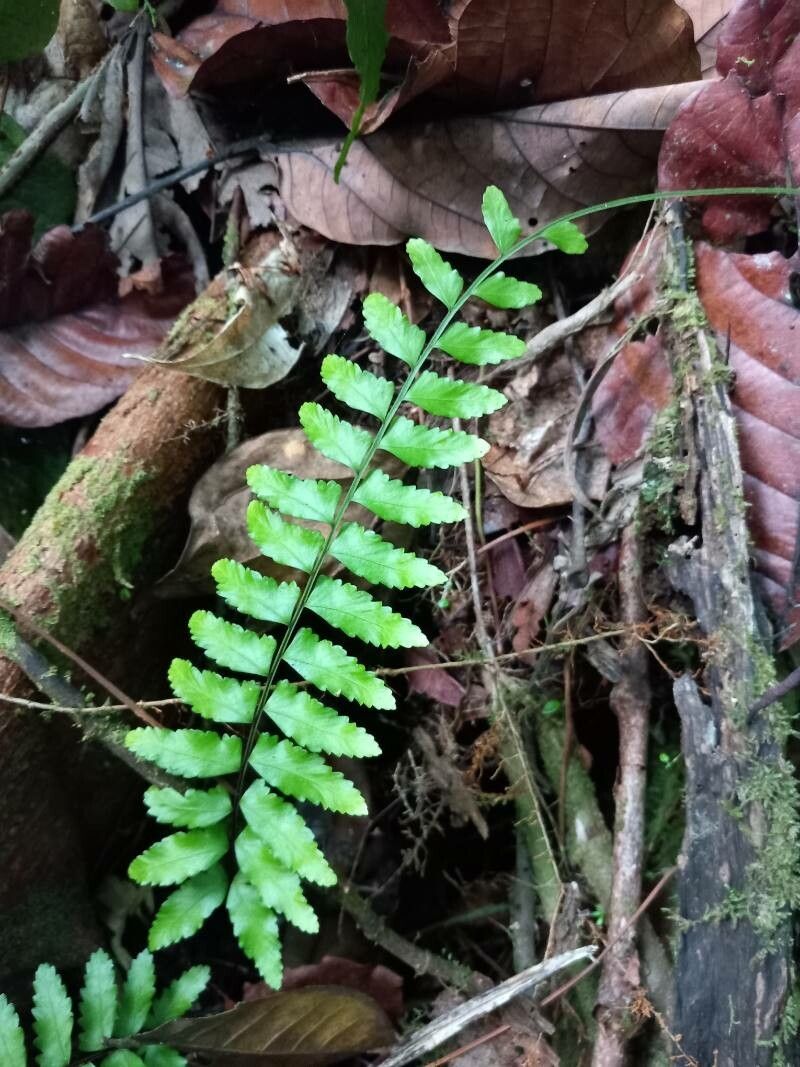
Unlocking the Secrets to Multiply Your Bird’s Nest Fern (Asplenium Cirrhatum)
The Bird’s Nest Fern, with its graceful, undivided fronds resembling a bird’s nest, is a captivating addition to any indoor jungle. But did you know that propagating this tropical beauty is easier than you might think? That’s right, you don’t need a green thumb to multiply your Asplenium cirrhatum! Let’s delve into the fascinating world of Bird’s Nest Fern propagation and unlock the secrets to expanding your plant family.
Understanding the Basics:
Before we jump into the techniques, it’s important to understand how NOT to propagate Bird’s Nest Ferns. Unlike many plants, they don’t reproduce from leaf cuttings or stem divisions. Instead, we’ll be focusing on two primary methods:
1. Spore Propagation: Embracing the Fern Life Cycle
For the adventurous plant parent, propagating ferns through spores offers a rewarding challenge. Here’s a step-by-step guide:
- Spore Collection: Look for small brown spots (sori) on the underside of mature fronds. These contain the spores. Carefully scrape them onto a white sheet of paper using a clean, dry knife.
- Sowing the Spores: Fill a shallow tray with sterile seed-starting mix and moisten it thoroughly. Sprinkle the spores evenly across the surface, but avoid burying them.
- Creating a Humid Environment: Cover the tray with clear plastic wrap or a humidity dome to create a warm, moist environment essential for germination. Place the tray in a well-lit area, but away from direct sunlight.
- Patience is Key: Spore germination can take anywhere from a few weeks to several months. Be patient and make sure the soil remains consistently moist but not soggy.
- Transplanting the Sporophytes: Once small fernlets (sporophytes) emerge and develop a few fronds, you can carefully transplant them into individual pots filled with a well-draining potting mix.
2. Offsets (Pups): Nature’s Easy Button
For a simpler method, look no further than the base of your mature Bird’s Nest Fern. Over time, it will often produce offsets or “pups,” miniature versions of itself:
- Identifying Offsets: These pups typically emerge near the base of the mother plant and have their own root system.
- Separating the Offsets: Gently remove the mother plant from its pot and locate the pups. Using a clean, sharp knife or shears, carefully separate them from the main plant, ensuring each pup has a good amount of roots attached.
- Potting the Offsets: Plant each offset in a small pot filled with a well-draining potting mix. Water thoroughly and place in a humid environment, similar to the spore propagation method.
Tips for Success:
- Use a light and airy potting mix: A mix formulated for ferns or African violets works well.
- Water consistently but avoid overwatering: Bird’s Nest Ferns prefer slightly moist soil but can be prone to root rot if overwatered.
- Provide bright, indirect light: Avoid direct sunlight, as it can scorch the fronds.
- Be patient: Propagation takes time. Be prepared to wait several weeks or months for your new ferns to establish themselves.
By following these tips and choosing the method that best suits your comfort level, you’ll be well on your way to expanding your Bird’s Nest Fern family and enjoying the lush beauty of these captivating plants for years to come.