
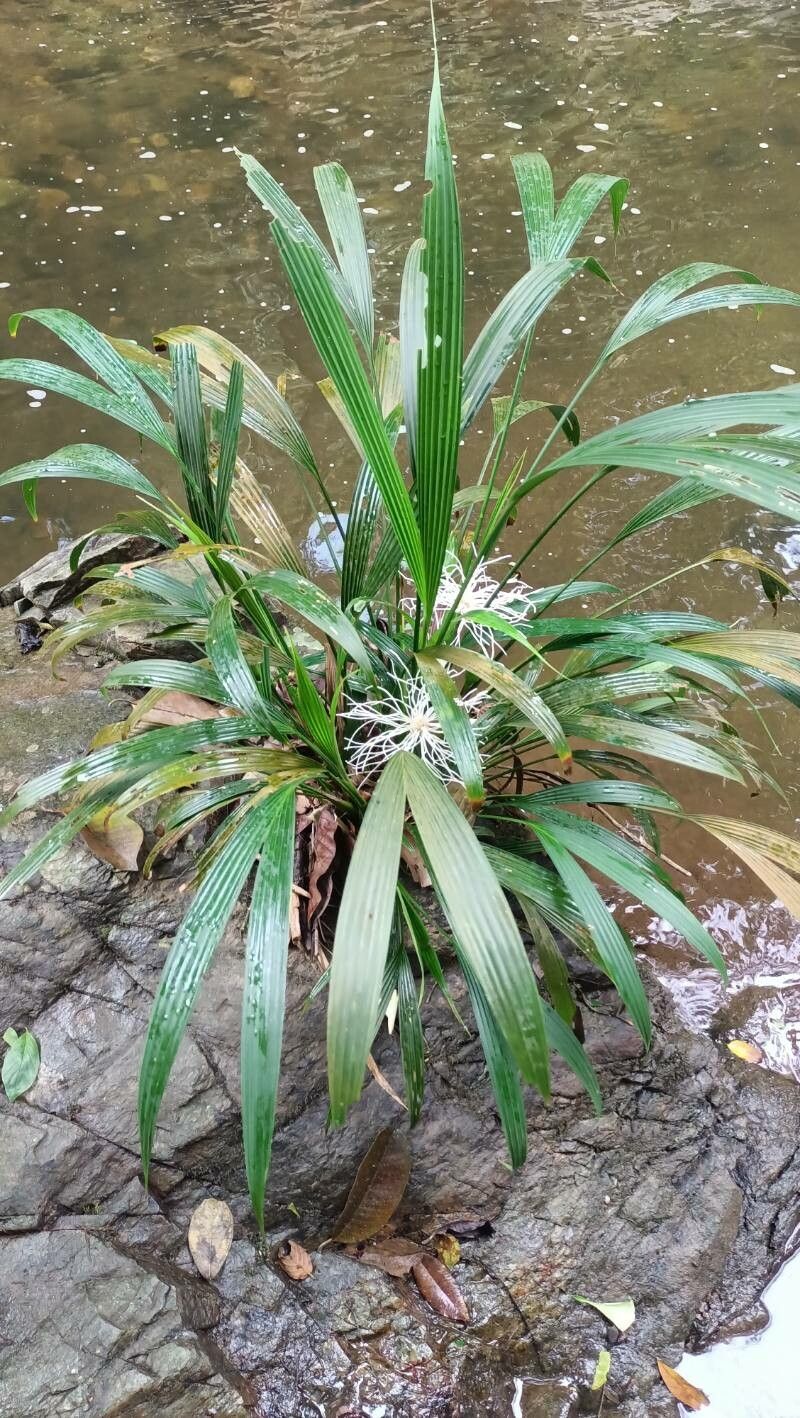
Propagating Asplundia brachyphylla: A Gardener’s Guide
Introduction:
Asplundia brachyphylla, a member of the Cyclanthaceae family, is a fascinating and relatively uncommon tropical plant. While it lacks a widely used common name, its unique, often intricately patterned leaves and unusual inflorescences make it a highly prized addition to specialist plant collections. Its popularity amongst dedicated gardeners stems from its aesthetic appeal and the challenge it represents in cultivation. Propagation, in particular, presents a unique set of hurdles, making successful reproduction a rewarding experience. This article explores various propagation methods, examining their feasibility and offering practical advice.
Seed Germination:
Currently, there are no known reliable methods for seed germination propagation of Asplundia brachyphylla. Information regarding its reproductive biology in the wild is limited, and attempts at seed germination under cultivated conditions have largely been unsuccessful. Further research is needed to determine if successful seed germination is even possible outside of its natural habitat, or if specific environmental cues or symbiotic relationships are required.
Cuttings:
Propagating Asplundia brachyphylla from cuttings is also challenging, although potentially more viable than seed germination.
Challenges: Asplundia brachyphylla cuttings are prone to rotting due to their susceptibility to fungal infections in humid conditions. The slow rate of root development is another significant obstacle.
Practical Tips: Use a sharp, sterile blade to take stem cuttings, ideally from new growth. A rooting hormone may improve success rates. Employ a well-draining propagation mix (e.g., perlite and peat moss mix) and maintain high humidity, but avoid waterlogged conditions. Bottom heat can expedite root development. Apply a fungicide to prevent rot.
Rewards: Successful propagation from cuttings offers a relatively quick method to increase the number of plants, preserving the parent plant’s genetic characteristics.
Division:
Division is another potentially viable, albeit limited, method.
Challenges: Asplundia brachyphylla, depending on its growth habit, may not readily lend itself to division. Care must be taken to ensure each division contains sufficient roots and healthy growing points to establish on its own. Disrupting the root system can severely stress the plant.
Practical Tips: Division is best attempted during the active growing season. Carefully separate the plant, making sure each segment possesses a substantial root system. Plant each division immediately into a well-draining potting mix and provide ample humidity.
Rewards: Division offers a quicker method of propagation compared to cuttings, provided the plant is large enough and the division is carefully executed.
Tissue Culture:
Tissue culture provides the most promising avenue for large-scale propagation.
Challenges: Establishing a reliable tissue culture protocol for Asplundia brachyphylla requires significant expertise and laboratory facilities. Finding the optimal media composition, sterilizing techniques, and growth regulators is essential for success. Contamination is a serious risk.
Practical Tips: Collaboration with experienced tissue culture laboratories is recommended. Specialized media formulations and carefully controlled environmental conditions are crucial. Strict aseptic techniques are paramount to minimize contamination.
Rewards: Tissue culture allows for rapid and efficient mass production of genetically identical plants, overcoming the limitations of other methods. It also offers the potential to conserve rare or endangered varieties.
Conclusion:
Propagating Asplundia brachyphylla presents a considerable challenge, with seed germination currently proving unreliable. Cuttings and division offer some potential, but success depends on carefully managing humidity and preventing rot. Tissue culture holds the most promise for large-scale propagation, but requires specialized knowledge and facilities. The rewards, however, outweigh the difficulties. Successfully propagating this unusual and beautiful plant provides a profound sense of accomplishment, underscoring the dedication and understanding required for cultivating less-common species. For aspiring propagators, patience, meticulous attention to detail, and a spirit of experimentation are key to success. Don’t be discouraged by initial setbacks; the eventual triumph will make the effort worthwhile.