
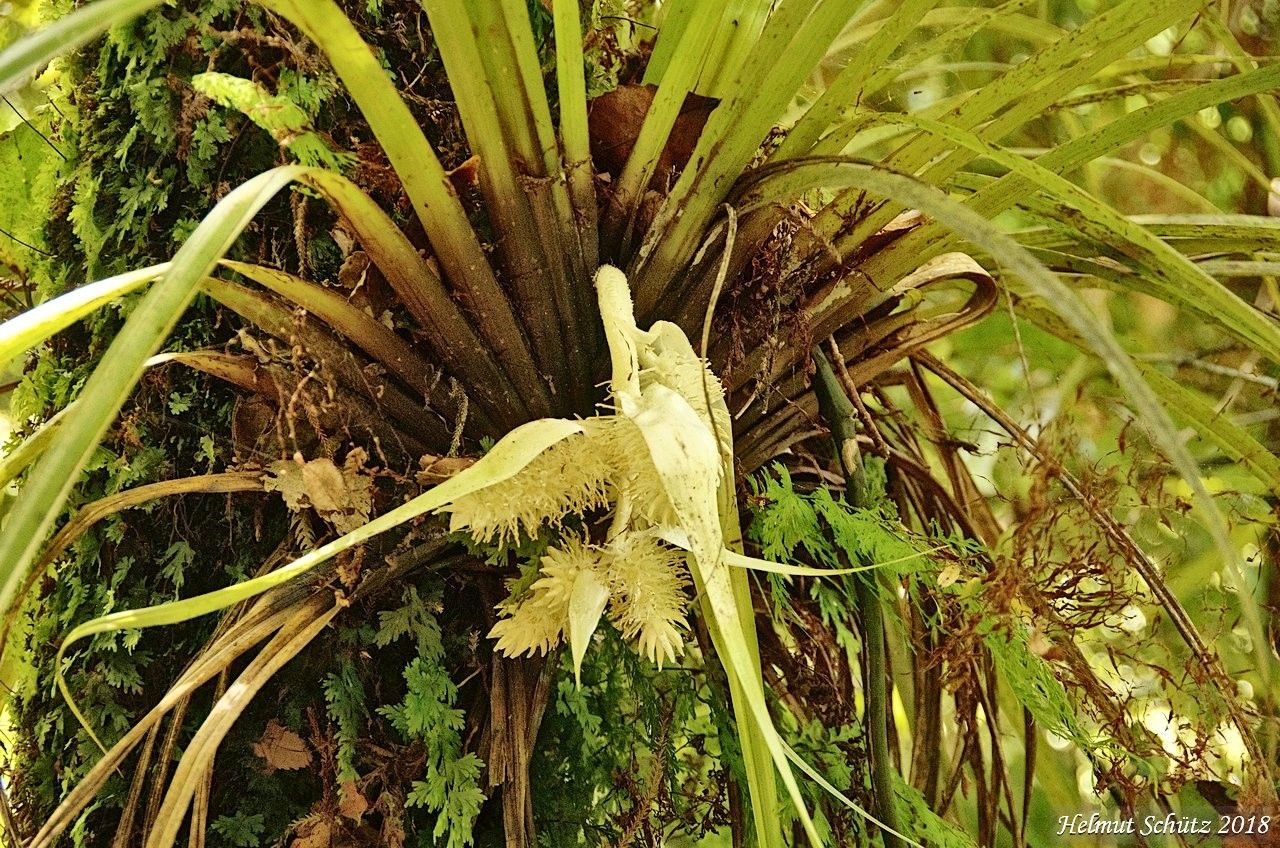
Unlocking the Secrets of Astelia Microsperma: Propagation Made Easy
Astelia microsperma, with its beautiful, silvery-green foliage and graceful form, has become a popular choice for gardens seeking a touch of elegance and texture. But what if you want to share this plant’s beauty with others or simply expand your own collection? The good news is that propagating Astelia microsperma is surprisingly straightforward! In this post, we’ll explore the different methods you can use to bring these stunning plants to life.
The Magic of Division
Perhaps the most common and accessible method is division. This technique involves separating a mature clump into individual plants, each with its own root system. It’s best done in the spring or early summer when the plant is actively growing. Here’s how:
- Prepare the plant: Carefully dig around the base of the plant, loosening the soil to expose the roots.
- Divide the clump: Gently pull the plant apart, aiming for separate sections with healthy roots and foliage.
- Replant the divisions: Plant the new divisions in a well-prepared bed with good drainage. Ensure that the crown of the plant (where roots meet stems) is above soil level.
- Water generously: Keep the newly planted divisions consistently moist until established.
The Power of Seed
While not as common as division, seed propagation is an option for those wanting to start from scratch. The seeds of Astelia microsperma are surprisingly small, so patience and meticulous care are required:
- Harvest the seeds: Collect the seeds from ripe seed pods, carefully drying them before storage.
- Sowing the seeds: Sow the seeds in a well-draining seed starting mix. Keep the surface moist and cover the tray with a clear lid or plastic wrap to create a humid environment.
- Germination: With consistent moisture and warmth, germination should occur within a few weeks. Once seedlings have a few true leaves, they can be transplanted into individual pots.
A Note on Patience
Regardless of the chosen method, remember that Astelia microsperma is a slow-growing plant. Be patient! It might take a couple of years for your new plants to reach their full size and beauty.
Creating the Perfect Environment
Astelia microsperma thrives in shady to semi-shady conditions. Provide well-drained soil that retains some moisture but avoids waterlogging. Once established, they are fairly drought-tolerant but do appreciate occasional deep watering.
Embark on Your Propagation Journey
Now that you’re equipped with the knowledge of propagation methods, you can embark on your own journey of growing beautiful Astelia microsperma. Whether you choose the reliable division method or embrace the challenge of seed propagation, the rewards are well worth the effort. Share these stunning plants with friends, family, or simply expand your own garden paradise – the possibilities are endless!