
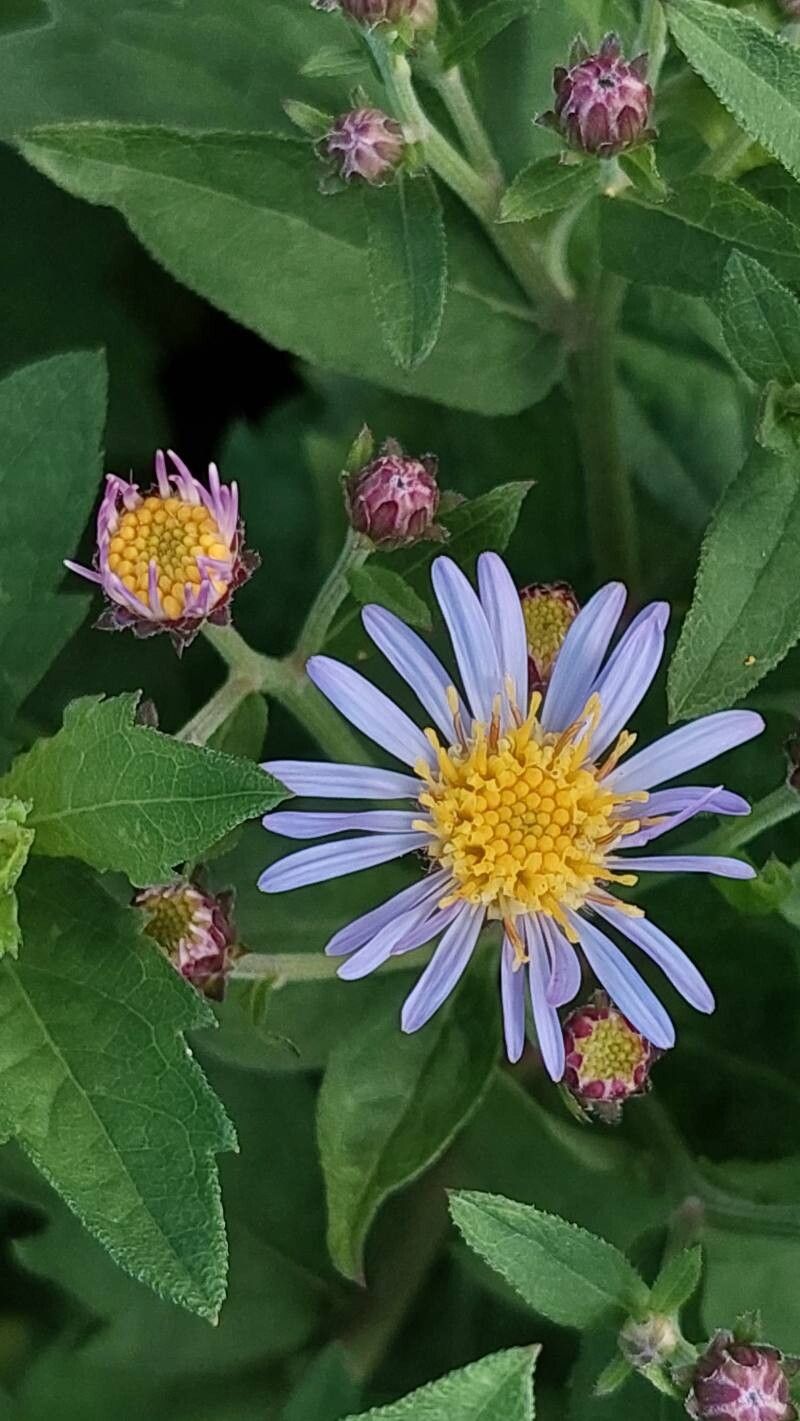
Propagating Aster ageratoides: A Guide for Garden Enthusiasts
Introduction:
Aster ageratoides, commonly known as the white wood aster or fragrant aster, is a charming herbaceous perennial prized for its delicate white flowers and pleasant fragrance. Its late-season blooms provide crucial nectar sources for pollinators, adding significant value to any garden. The plant’s relatively low maintenance and adaptable nature have cemented its popularity among gardeners, but propagating it can present some challenges. This article explores different propagation techniques for Aster ageratoides, outlining their viability, challenges, and rewards.
Seed Germination:
Currently, there are no known reliable methods for seed germination propagation of Aster ageratoides. While the plant does produce seeds, germination rates are notoriously low and inconsistent under typical horticultural conditions. Extensive research has not yielded a consistently successful protocol.
Cuttings:
Viability: Cuttings offer a more reliable method for propagating Aster ageratoides than seed germination.
Challenges: Success depends greatly on timing and technique. Softwood cuttings taken in spring or early summer, from actively growing shoots, yield the best results. Ensuring adequate humidity and preventing fungal diseases are crucial.
Practical Tips:
- Take cuttings 4-6 inches long, removing lower leaves to prevent rot.
- Dip the cut ends in rooting hormone powder.
- Plant the cuttings in a well-draining propagation mix, such as a mixture of perlite and peat moss.
- Cover the cuttings with a plastic dome or humidity cloche to maintain high humidity.
- Place the cuttings in a bright, indirect light location with consistent warmth.
- Mist regularly to maintain moisture, avoiding overly saturated conditions. Rooting should take several weeks.
Rewards: Cuttings produce genetically identical plants to the parent, ensuring you maintain desirable characteristics. This method is efficient for propagating a moderate number of plants.
Division:
Viability: Division is a highly effective and relatively easy method for propagating Aster ageratoides, particularly for established plants.
Challenges: Division is best undertaken in early spring or autumn when the plant is dormant or less actively growing. Care must be taken to avoid damaging the roots during the division process. Choosing the right time to divide is crucial for plant survival.
Practical Tips:
- Carefully dig up the mature plant.
- Gently separate the root crown into smaller sections, each containing several healthy shoots and roots.
- Replant the divisions immediately, ensuring they are adequately watered.
- Provide some shade for the first few weeks until they establish themselves.
Rewards: Division is a quick and simple method, resulting in rapid establishment of new plants, and it’s less technically demanding than other methods.
Tissue Culture:
Viability: While potentially viable, tissue culture propagation of Aster ageratoides is not a common practice for home gardeners.
Challenges: Tissue culture requires specialized equipment, aseptic techniques, and expertise in plant tissue culture protocols. It’s complex, time-consuming, and expensive.
Practical Tips: This method is unsuitable for home propagation and is best left to specialized nurseries or research facilities that have the necessary equipment and knowledge.
Rewards: Tissue culture offers the potential for large-scale propagation of disease-free plants and the preservation of rare or superior cultivars.
Conclusion:
Propagating Aster ageratoides presents unique challenges depending on the method employed. Seed germination is unreliable, while cuttings offer a viable, though somewhat delicate, alternative. Division is the most practical and successful method for home gardeners. Tissue culture remains a specialized technique. The satisfaction gained from propagating this beautiful aster, however, outweighs the effort involved. Successfully nurturing a new plant from a cutting or division brings a profound sense of accomplishment, connecting you more intimately with the natural world. For the home gardener, focusing on cuttings and division, with careful attention to detail, offers the most reliable path to successfully expanding a collection of these charming plants.