
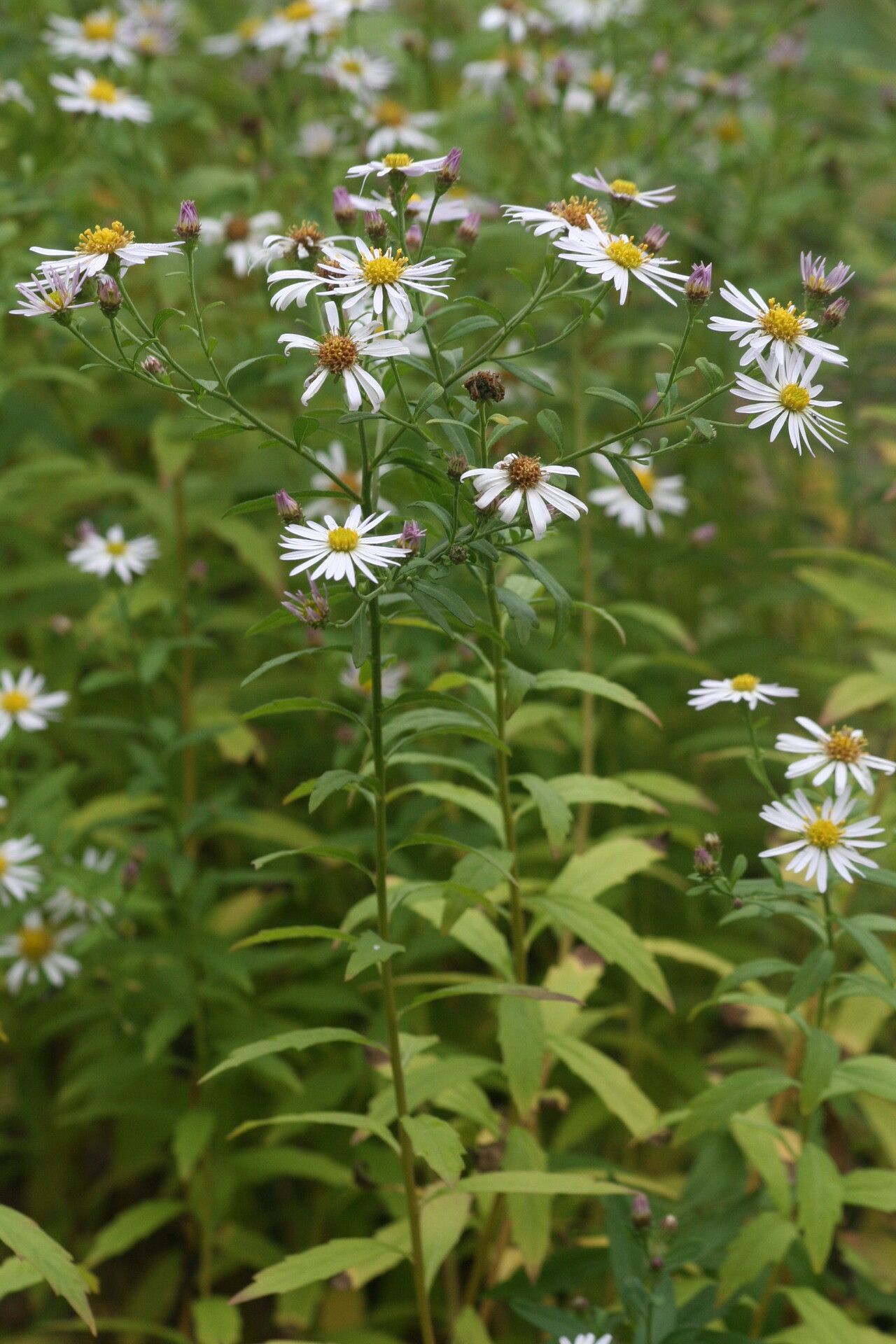
From One to Many: Sharing the Beauty of the White Aster
The White Aster, Aster albescens, with its delicate white blooms and captivating fragrance, is a treasure to behold. But what if you could share this beauty with friends, neighbors, and even future generations? The good news is, propagation is relatively straightforward with this aster variety, allowing you to turn a single plant into a whole garden brimming with blooms.
A Look Inside: The Secrets of Propagation
Propagation is all about creating new plants from existing ones. There are several methods, but the most effective for Aster albescens are:
1. Division: The Easy Way to Multiply
Division is simple and involves separating a mature clump of asters into smaller, individual plants. This is best done in early spring or fall, as the plant is dormant. Here’s how:
- Dig and Divide: Carefully dig up the aster clump and gently loosen the soil around the roots.
- Separate the Clumps: Use a sharp knife or garden trowel to divide the clump into smaller sections, ensuring each section has healthy roots and shoots.
- Replant and Water: Plant the new divisions in well-prepared soil and water generously.
2. Taking Cuttings: A More Advanced Technique
For the adventurous gardener, propagating Aster albescens through cuttings is an exciting process. This technique utilizes stem cuttings, allowing you to multiply your plants from just a few snips:
- Timing is Key: Take softwood cuttings in late spring or early summer, using stems that are new and growing actively.
- Preparation is Crucial: Remove leaves from the bottom inch of the stem and dip the cut end in rooting hormone.
- Establish a Growing Environment: Plant the cuttings in a moist, well-drained growing medium, such as a mixture of potting soil and perlite.
- Provide Shelter and Care: Cover the cuttings with a plastic dome or clear plastic bag to create a humid environment and protect them from drying out.
Tips for Success:
- Freshly Cuttings: Use sharp tools to avoid crushing the stems.
- Healthy Plants: Choose healthy, disease-free parent plants for propagation.
- Water Regularly: Keep the cuttings and new divisions consistently moist but not soggy.
- Patience is Key: It may take several weeks or even months for cuttings to develop roots and new divisions to establish themselves.
Beyond the Garden: Enjoying Your New Asters
Propagating Aster albescens isn’t just about creating more plants; it’s about sharing the joys of gardening. Gift your new aster starts to friends and family, or create a stunning display of white blooms across your garden.
A Final Thought:
The White Aster is a beautiful and versatile plant that adds a touch of elegance to any garden. By mastering the simple techniques of division and cuttings, you can enjoy the satisfaction of multiplying your favorite plant’s beauty and sharing it with others.