
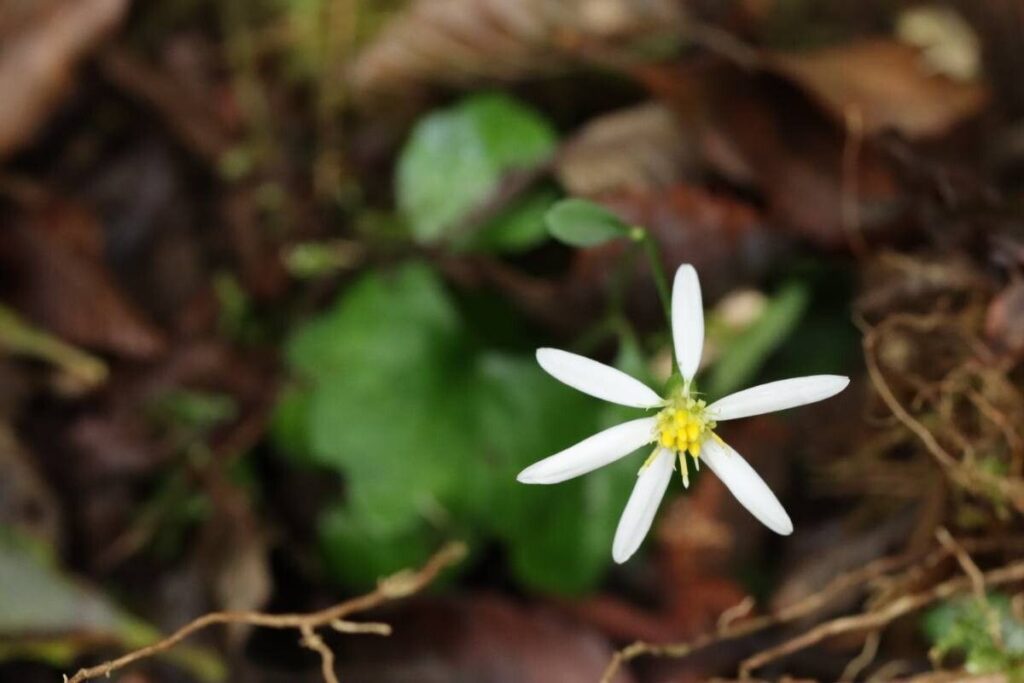
Unveiling the Secrets: Propagating the Charming Aster Dimorphophyllus
The Aster dimorphophyllus, also known as the Small White Aster or Gomagi in Korean, enchants with its delicate, daisy-like blooms. This East Asian native, typically found gracing woodlands and mountainsides, brings an air of understated elegance to gardens and floral arrangements alike. While admiring its natural beauty is a joy, learning to propagate this captivating aster opens up a world of possibilities for expanding your plant family. Let’s dive into the secrets of multiplying your Small White Aster treasure.
Two Paths to Propagation:
Aster dimorphophyllus grants you two primary avenues for propagation: seeds and division.
1. The Art of Seed Starting:
For those who find satisfaction in nurturing life from its earliest stage, seed starting offers a rewarding journey.
- Gathering the Seeds: As the blooming season concludes, keep a watchful eye on your Aster dimorphophyllus. Once the flowers fade, small, fluffy seed heads will emerge. Allow them to dry completely on the plant before carefully collecting them.
- Sowing the Seeds: Begin the propagation process in late winter or early spring. Use a well-draining seed starting mix and sow the seeds shallowly, pressing them gently into the moistened medium.
- Patience is Key: Cover the container with a plastic dome or wrap to create a humid environment. Place it in a well-lit location, out of direct sunlight. Germination can take a few weeks, so patience is your ally during this stage.
- Transplanting Time: Once the seedlings develop their first set of true leaves, it’s time to transplant them into individual pots filled with well-draining soil. Gradually acclimate them to outdoor conditions before planting them in their permanent location after the last frost.
2. The Efficiency of Division:
For a quicker and more immediate gratification, division proves to be an excellent method, especially for mature plants.
- Timing is Everything: The ideal time to divide your Aster dimorphophyllus is in early spring or fall when the plant is dormant or experiencing slower growth.
- Unearthing the Treasure: Carefully dig around the plant, ensuring you don’t damage the root system. Gently lift the entire clump from the ground.
- Divide and Conquer: Use a sharp, clean knife or garden shears to divide the clump into smaller sections, ensuring each section has a good amount of roots and shoots.
- Replanting and Thriving: Replant the divisions immediately in well-prepared soil and water them thoroughly. With proper care, these divisions will establish themselves quickly and grace you with their charming blooms in the following season.
Nurturing Your New Aster Family:
Regardless of the propagation method you choose, providing the right environment is crucial for your new Aster dimorphophyllus plants to flourish. They thrive in well-drained soil with a slightly acidic to neutral pH. Choose a location that receives dappled sunlight or partial shade, as harsh midday sun can scorch their delicate foliage.
Propagating your own Aster dimorphophyllus is a rewarding endeavor. With a touch of patience and care, you’ll soon have a beautiful collection of these enchanting daisies, adding a touch of natural elegance to your garden for years to come.