
Propagating Aster savatieri: A Gardener’s Guide to the Heavenly Star
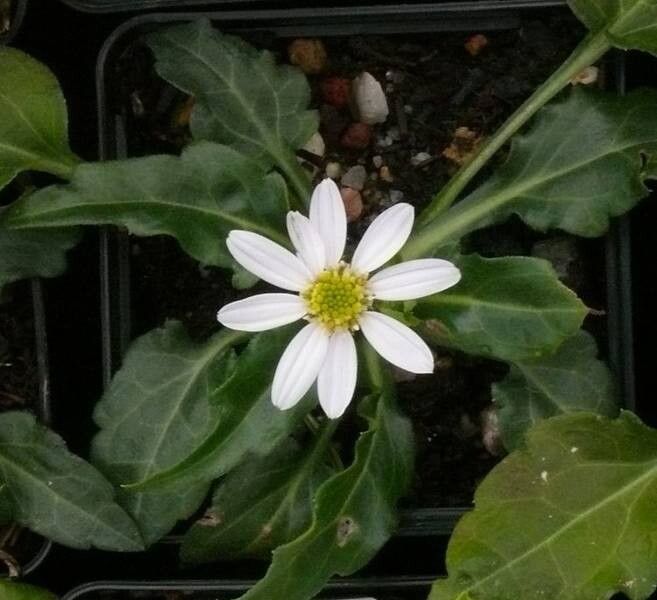
Aster savatieri, commonly known as the Heavenly Star, is a prized perennial aster boasting charming, daisy-like flowers in shades of lavender, pink, or white. Its vigorous growth habit, tolerance of a variety of conditions, and exceptionally long blooming period make it a highly sought-after addition to any garden. Its relatively compact size also makes it suitable for borders, rock gardens, and containers, further contributing to its popularity among gardeners. However, its propagation isn’t always straightforward, presenting a unique challenge and rewarding experience for the passionate cultivator.
Seed Germination:
Currently, there are no known reliable methods for seed germination propagation of Aster savatieri. While the plant does produce seeds, germination rates are extremely low, even with pre-treatment techniques. Therefore, relying on seeds for propagation is generally not recommended.
Cuttings:
Cuttings offer a more reliable method for propagating Aster savatieri.
Challenges: Success with cuttings depends heavily on timing and technique. Hardwood cuttings taken in late fall or early winter have limited success, while softwood cuttings taken in spring or early summer show better results.
Tips: Take 4-6 inch cuttings from non-flowering stems, removing lower leaves to prevent rotting. Dip the cut ends in rooting hormone powder before planting in a moist, well-draining propagation mix. Maintain consistently humid conditions, ideally using a humidity dome or propagating tray with a plastic covering. Bottom heat can significantly improve rooting success.
Rewards: Cuttings allow for the rapid multiplication of desirable cultivars, ensuring a consistent supply of plants with known characteristics. It’s a relatively simple technique once mastered.
Division:
Division is the most commonly used and arguably the most successful propagation method for Aster savatieri.
Challenges: Successful division requires careful handling to avoid damaging the root system and disturbing the plant’s delicate structure. The optimal time for division is typically in spring or early autumn, after flowering but before excessive new growth.
Tips: Dig up the established plant carefully, gently separating the root ball into smaller sections, each containing several healthy stems and roots. Replant the divisions immediately, ensuring each section has a strong root base and suitable spacing. Water thoroughly after planting.
Rewards: This method is straightforward, delivers high success rates, and allows for rapid increase in plant numbers without specialized equipment.
Tissue Culture:
Tissue culture presents a possible method for large-scale propagation of Aster savatieri.
Challenges: Tissue culture necessitates specialized equipment, sterile conditions, and a thorough understanding of plant tissue culture techniques. It demands a significant initial investment in equipment and supplies and requires consistent monitoring and aseptic procedures.
Tips: Successful tissue culture requires using a suitable nutrient medium and plant growth regulators to stimulate shoot and root development. Contamination prevention is paramount. Detailed protocols are readily available through scientific literature and may need some trial and error for optimal results with this species.
Rewards: Tissue culture offers the potential to produce a large number of genetically uniform plants rapidly. This method is especially effective if disease-free planting material needs to be established or for mass production in a commercial context.
Conclusion:
Propagating Aster savatieri presents a spectrum of challenges and rewards. While seed propagation is currently unreliable, cuttings offer a viable albeit somewhat finicky option for the home gardener. Division remains the most accessible and dependable method for increasing plant numbers. Tissue culture offers a high-volume option but requires specialized skills and equipment. The unique satisfaction derived from successfully nurturing these plants from cuttings or divisions is a testament to the perseverance and commitment of the gardener. Overcoming the hurdles associated with propagation amplifies the joy of witnessing these heavenly stars bloom year after year, a constant reminder of the triumph over a horticultural challenge. So, embrace the challenge – your garden (and the bees!) will thank you.