
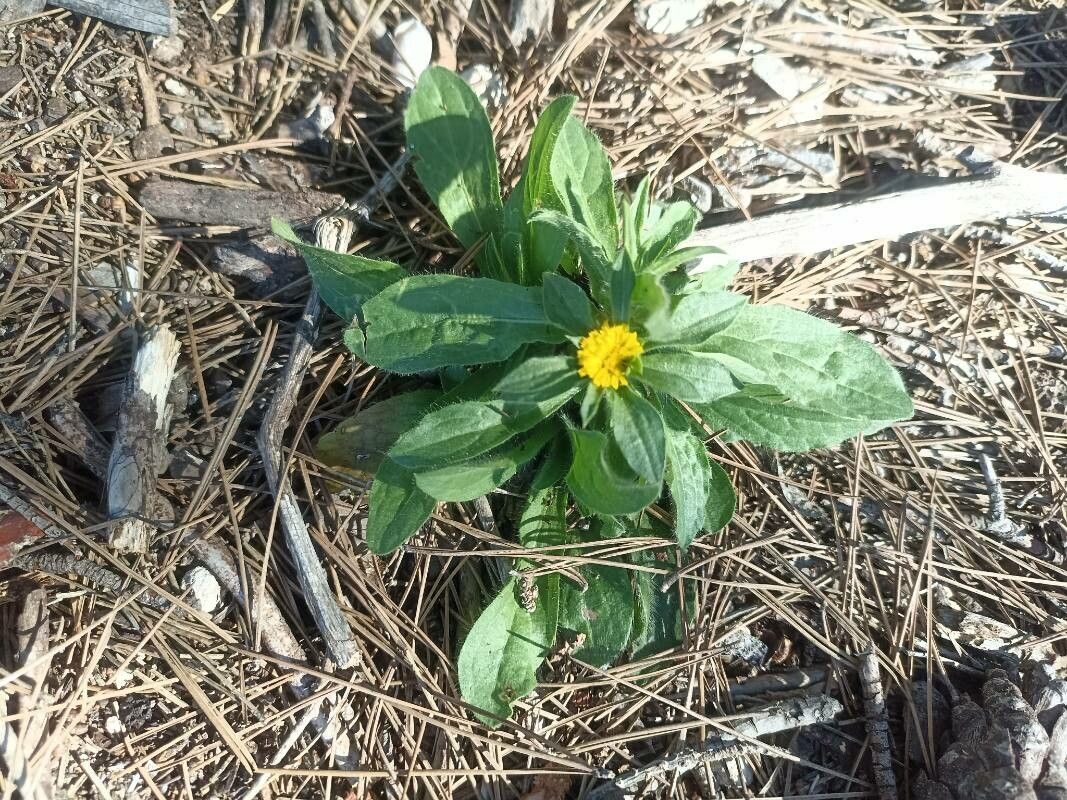
Propagating the Goldenmomile: A Guide to Cultivating Asteriscus aquaticus
Introduction
Asteriscus aquaticus, commonly known as Golden chamomile or Yellow chamomile, is a charming, low-growing perennial boasting a profusion of bright yellow, daisy-like flowers throughout the warmer months. Its drought tolerance and ability to thrive in poor soils make it a popular choice among gardeners seeking low-maintenance, yet visually striking, additions to their landscapes. Its relatively compact size also makes it suitable for containers and rock gardens. However, its propagation presents some unique challenges, making successful cultivation all the more rewarding.
Seed Germination
Currently, there are no known reliable methods for seed germination propagation of Asteriscus aquaticus. While seeds may be produced, their germination rate is extremely low, and successful germination has not been consistently replicated under various conditions. Further research is needed to determine if specific pre-treatment techniques, such as scarification or stratification, might improve germination success.
Cuttings
Cuttings offer a significantly more reliable method for propagating Asteriscus aquaticus.
Challenges: Success hinges on selecting healthy, actively growing stems. Overly woody stems are less likely to root. Timing is crucial; late spring or early summer cuttings taken from non-flowering stems tend to produce the best results.
Practical Tips: Take semi-hardwood cuttings, approximately 4-6 inches long, removing lower leaves to prevent rot. Dip the cut ends in a rooting hormone powder to stimulate root development. Plant the cuttings in a well-draining, moist potting mix (e.g., a mix of perlite and vermiculite). Cover the cuttings with a humidity dome or plastic bag to maintain high humidity levels, which are essential for successful rooting. Keep the cuttings in a bright location, avoiding direct sunlight. Rooting typically takes 4-6 weeks.
Rewards: Cuttings offer a faster and more consistent method than other propagation techniques, allowing for the rapid replication of desirable plants. This is particularly useful for maintaining specific cultivars with unique characteristics.
Division
Division, separating established plants into smaller clumps, is a viable option for propagating Asteriscus aquaticus.
Challenges: Asteriscus aquaticus doesn’t readily form large clumps, limiting the number of propagules from each plant. Division should be carried out during the dormant period (late autumn or early spring) to minimize stress on the plant. Care must be exercised to avoid damaging the root system during separation.
Practical Tips: Carefully dig up the mature plant, gently loosen the root ball, and tease apart the clumps, aiming for divisions containing several healthy stems and roots. Replant the divisions immediately in a well-prepared bed with similar growing conditions to the mother plant. Water thoroughly after planting.
Rewards: Division provides a relatively easy and successful method, preserving the genetic traits of the parent plant. This is a particularly efficient method for small-scale propagation.
Tissue Culture
Tissue culture propagation for Asteriscus aquaticus is not widely documented or practiced. The specific protocols required for successful in vitro propagation would need to be developed through extensive research. Due to the specialized equipment and expertise required, this method is not practical for the average home gardener.
Conclusion
Propagating Asteriscus aquaticus presents a unique blend of challenges and rewards. While seed germination is currently unreliable, cuttings and division provide viable options, each with their advantages and limitations. Cuttings offer a faster, more efficient method for large-scale propagation, while division offers simplicity and genetic uniformity. Tissue culture remains an unexplored possibility requiring further research. The inherent difficulty in successfully propagating this plant contributes to feeling of great accomplishment. The sight of small cuttings developing roots, or divided clumps thriving, is a testament to the perseverant gardener’s efforts. Don’t be discouraged by initial setbacks – patience and persistence are key to mastering the art of cultivating this beautiful, sun-loving perennial. Remember to carefully observe your plants, adapt your methods as needed, and enjoy the journey of bringing Asteriscus aquaticus to life, one cutting or division at a time.