
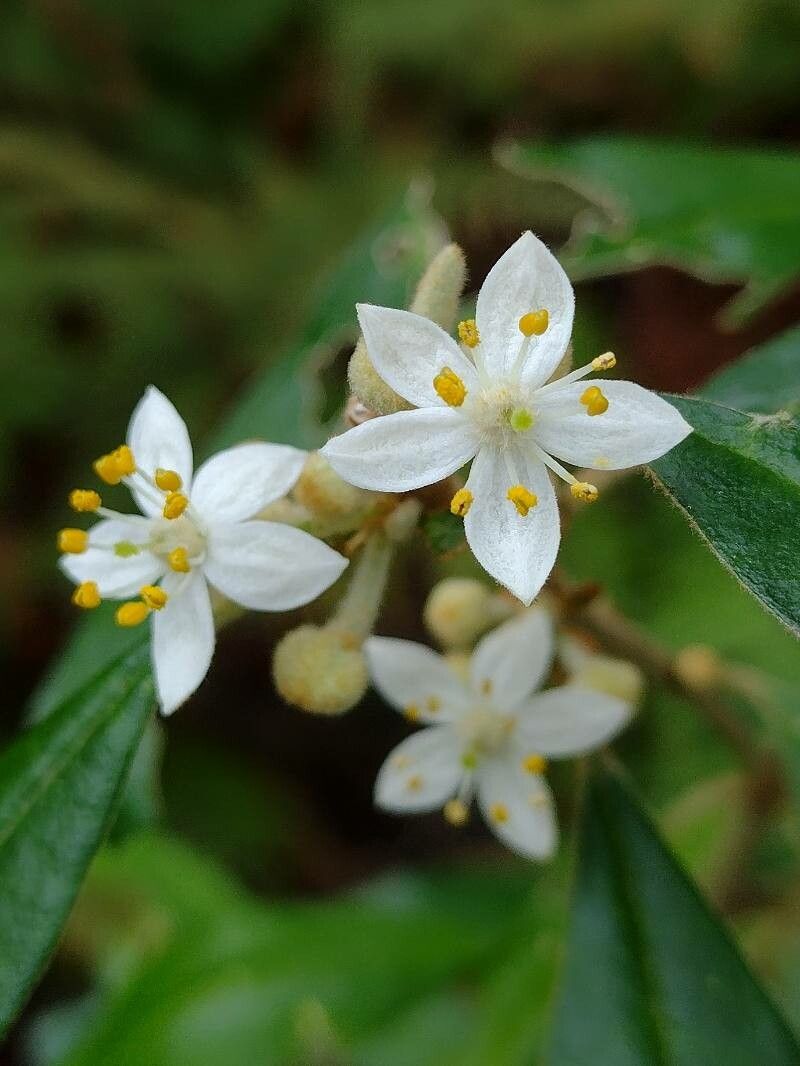
Propagating Asterolasia correifolia: A Guide for Garden Enthusiasts
Introduction:
Asterolasia correifolia, commonly known as the native Asterolasia, is a highly sought-after Australian native shrub prized for its delicate, star-shaped yellow flowers and aromatic foliage. Its compact growth habit and adaptability make it a popular choice for gardens, particularly in drier climates. However, propagating Asterolasia correifolia can present certain challenges, making successful cultivation all the more rewarding. This article explores various propagation methods, outlining their feasibility and outlining practical steps for success.
Seed Germination:
Currently, there are no known reliable methods for seed germination propagation of Asterolasia correifolia. While seeds may be produced, germination rates are extremely low, and successful seedling establishment is rarely achieved under typical horticultural conditions. Research into specific germination requirements, such as stratification techniques or the use of growth hormones, is needed before this method can be considered viable.
Cuttings:
Cuttings offer a more reliable method for propagating Asterolasia correifolia.
Challenges: Success rates with cuttings can vary, and rooting can be slow. The plant’s tendency to be somewhat woody can hinder rooting hormone uptake.
Practical Tips: Take semi-hardwood cuttings in late spring or early summer from the current year’s growth. Use a sharp knife or shears to make clean cuts, about 4-6 inches long. Remove lower leaves to prevent rot. Dip the cut ends in rooting hormone and plant them in a well-draining propagation mix (e.g., a mix of perlite and vermiculite). Maintain high humidity (using a humidity dome or plastic bag) and consistent moisture, but avoid overwatering. Rooting can take several weeks or even months. A bottom heat mat can significantly speed up the process.
Rewards: Cuttings ensure the preservation of desirable traits from the parent plant, offering a faster and more consistent method than seed propagation.
Division:
Division is generally not feasible for Asterolasia correifolia. The plant’s compact root system doesn’t lend itself easily to division, and the chances of success are low. Severely damaging the root system during an attempted division often results in plant death.
Tissue Culture:
Tissue culture is a potentially viable, though technically demanding, method for propagating Asterolasia correifolia.
Challenges: Establishing a sterile aseptic environment and mastering the specific media and hormone requirements is complex, requiring specialized equipment and knowledge. This method is best suited for experienced plant propagators or research facilities.
Practical Tips: Sterilization of all materials and tools is paramount. The use of specific growth regulators and nutrient media is crucial for successful shoot multiplication and rooting.
Rewards: Tissue culture allows for the mass production of genetically identical plants. This is particularly beneficial for preserving rare or desirable cultivars and for commercial propagation on a larger scale.
Conclusion:
Propagating Asterolasia correifolia is challenging, with cuttings offering the most accessible and reliable method for the home gardener. Seed propagation remains largely unsuccessful, while division is impractical. Tissue culture provides a means for large-scale propagation but requires specialized expertise. The rewards for successful propagation, however, are substantial. The satisfaction of nurturing a cutting into a thriving plant, knowing you’ve overcome the challenges, is unmatched. Don’t be discouraged by initial setbacks. Experimentation and patience are key, and the beauty and unique fragrance of this delightful native plant make the effort well worthwhile. Remember to always start with healthy, vigorous parent plants to maximize your chances of success, regardless of the method you choose.