
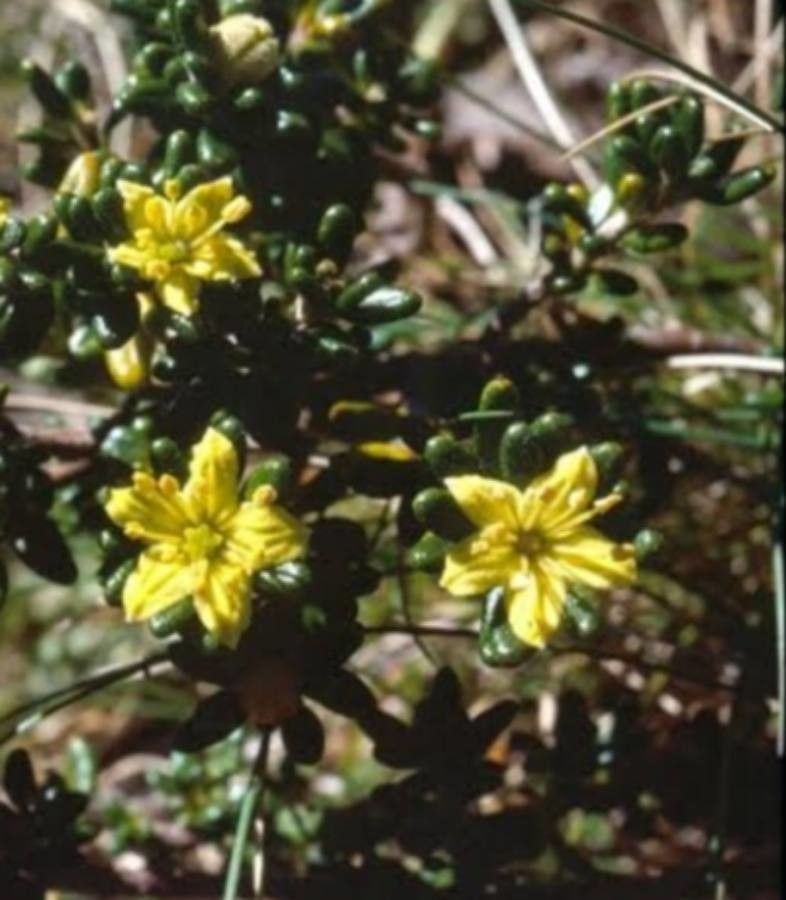
Propagating the Golden Guinea Flower: A Guide to Asterolasia trymalioides
Asterolasia trymalioides, commonly known as the Golden Guinea Flower, is a captivating Australian native shrub prized for its vibrant yellow, star-shaped flowers and aromatic foliage. Its compact growth habit and drought tolerance make it a popular choice amongst gardeners, particularly for rockeries, borders, and even container gardening. However, propagating this stunning plant can present some unique challenges. This article explores various propagation methods, weighing their successes and difficulties.
Seed Germination:
Currently, there are no known reliable methods for seed germination propagation of Asterolasia trymalioides. While seeds may be produced, their germination rate is extremely low, and successful propagation from seed remains largely undocumented. Further research into specific germination requirements, such as potential stratification techniques or specific fungal associations, might be needed to unlock the potential of seed propagation in the future.
Cuttings:
Cuttings offer a more reliable method for propagating Asterolasia trymalioides.
Challenges: The success rate can be variable, depending on the timing and technique. Using semi-hardwood cuttings taken in late spring or early summer generally yields the best results.
Practical Tips: Use sharp, clean tools to take 8-10cm cuttings, removing lower leaves to prevent rot. Dip the cut ends in rooting hormone powder before planting them in a well-draining propagating mix, such as a blend of perlite and seed-raising mix. Maintain high humidity using a cloche or humidity dome, and ensure consistent moisture without overwatering.
Rewards: Cuttings produce genetically identical plants to the parent, preserving desirable traits. This method is relatively straightforward and suitable for smaller-scale propagation, ensuring that gardeners can easily increase their own stock of this beautiful plant.
Division:
Division is another viable propagation method, particularly suitable for established plants.
Challenges: Asterolasia trymalioides doesn’t readily lend itself to division, as it often has a rather deep, taproot system. Forcing division can damage the plant and reduce the chances of survival.
Practical Tips: Division is best attempted in spring or autumn after a period of rain. Carefully dig up the mature plant and gently separate it into smaller clumps, ensuring each division has a healthy root system. Replant immediately in well-prepared soil.
Rewards: Division allows for relatively quick establishment of new plants, and, when successful, can be a less labor intensive option than cuttings.
Tissue Culture:
Tissue culture offers a potential method for large-scale propagation of Asterolasia trymalioides.
Challenges: This is a specialized technique requiring sophisticated laboratory equipment and expertise. It’s expensive and time-consuming, requiring strict sterile conditions and meticulous handling of plant tissues. Finding a laboratory experienced in propagating native Australian plants may also be challenging.
Practical Tips: This method is best left to specialist nurseries or research institutions due to the technical expertise required.
Rewards: Large numbers of genetically identical plants can be produced quickly, offering opportunities for commercial propagation and conservation efforts.
Conclusion:
Propagating Asterolasia trymalioides presents a unique set of challenges and rewards. While seed germination remains largely unsuccessful, cuttings offer a reliable method for the home gardener seeking to increase their stock. Division offers a less labor-intensive approach for mature plants but possesses a higher risk of failure. Tissue culture provides a tool for large-scale propagation but necessitates specialist resources.
The satisfaction of successfully propagating this beautiful native shrub, however, is well worth the effort. Overcoming the propagation hurdles contributes to a deeper appreciation for the plant’s resilience and beauty. For the keen gardener, experimenting with cuttings, or utilizing mature plant division, provides a rewarding pathway to enjoying more Golden Guinea Flowers in the garden, expanding the beauty of this unique Australian native. Remember patience and persistence are key; even the most challenging plants can be successfully cultivated.