
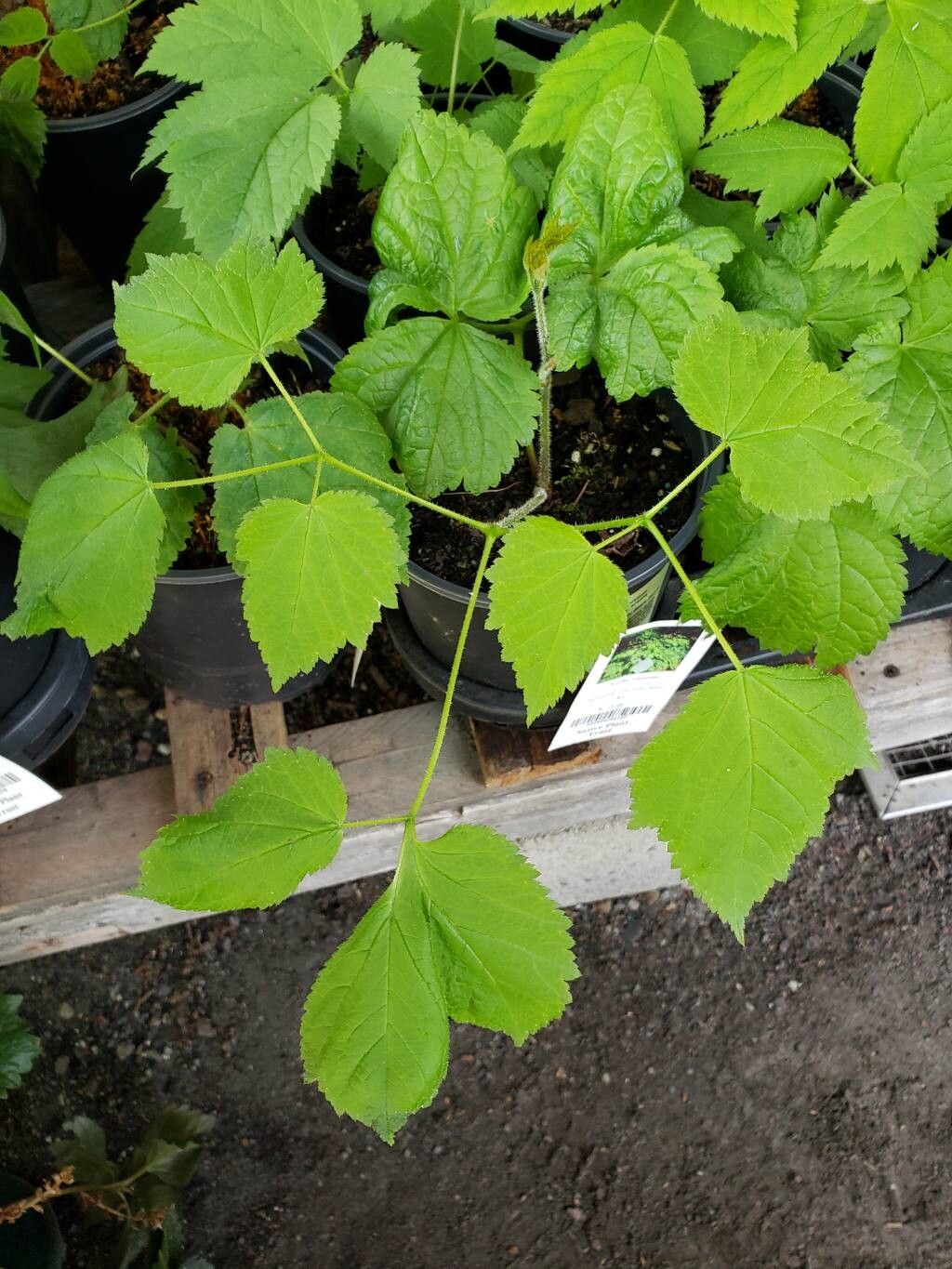
Propagating Astilbe biternata: The Challenges and Rewards of Cultivating False Spirea
Astilbe biternata, commonly known as False Spirea or Japanese Astilbe, is a captivating perennial prized for its airy plumes of delicate flowers and attractive, deeply cut foliage. Its adaptability to various soil conditions and its ability to thrive in shade make it a popular choice among gardeners. However, propagating this beauty isn’t always straightforward. This article explores the various methods of propagation, highlighting their challenges and rewards.
Seed Germination:
Currently, there are no known reliable methods for seed germination propagation of Astilbe biternata. While seed production occurs, germination rates are extremely low and unpredictable, making it an impractical method for most gardeners. The seeds often possess dormancy mechanisms that are difficult to overcome with standard horticultural techniques.
Cuttings:
Cuttings represent a more viable option compared to seed propagation.
Challenges: Rooting success with stem cuttings is moderate; not all cuttings will successfully root. The timing of the cuttings (ideally in late spring or early summer from semi-hardwood stems) is critical for optimal results. Using rooting hormone significantly increases the chances of success.
Practical Tips: Take 4-6 inch long cuttings from non-flowering stems, removing lower leaves to prevent rot. Dip the cut ends in rooting hormone. Plant the cuttings in a well-draining propagation mix kept consistently moist but not soggy. Cover with a humidity dome or plastic bag to maintain high humidity.
Rewards: Cuttings offer a relatively quick way to increase the number of plants, especially if you have a desirable cultivar. The resulting plants will be genetically identical to the parent plant, preserving desired traits.
Division:
Division is arguably the most successful and convenient method for propagating Astilbe biternata.
Challenges: Division is best undertaken in early spring or fall, requiring the careful separation of the established root crown into smaller clumps, each with several healthy growth buds. Damage to the root system can hinder the establishment of new plants. It’s crucial to handle the roots gently to avoid breaking them.
Practical Tips: Dig up the mature plant carefully. Use a sharp knife or spade to divide the root crown into sections, each containing multiple growing points. Replant the divisions immediately, ensuring they are planted at the same depth as the original plant. Water thoroughly after planting.
Rewards: Division is straightforward, highly successful, and allows for quick multiplication of plants. It is the most reliable method for the home gardener.
Tissue Culture:
Tissue culture offers the potential for large-scale propagation of Astilbe biternata, producing numerous identical plants from a small amount of starting material.
Challenges: Tissue culture requires a sterile laboratory environment and specialized skills and equipment, making it generally unsuitable for the home gardener. It is a more expensive and complex method than division or cuttings.
Practical Tips: This method is best left to commercial propagation nurseries specializing in tissue culture techniques.
Rewards: Tissue culture allows for rapid and large-scale propagation, disease-free plant production, and the preservation of rare or desirable cultivars.
Conclusion:
Propagating Astilbe biternata presents various challenges depending on the chosen method. While seed germination proves largely unreliable, cuttings offer a feasible alternative, albeit with moderate success rates. Division emerges as the most successful and practical method for the home gardener. Tissue culture, though capable of large-scale propagation, requires extensive resources and expertise. The unique satisfaction of successfully propagating this beautiful plant stems from overcoming these challenges – the reward of witnessing tiny cuttings or divisions develop into thriving, flowering plants is well worth the effort. Remember to select a propagation method suited to your resources and experience. For the hobbyist, division is the recommended starting point for successfully expanding your Astilbe biternata collection.