
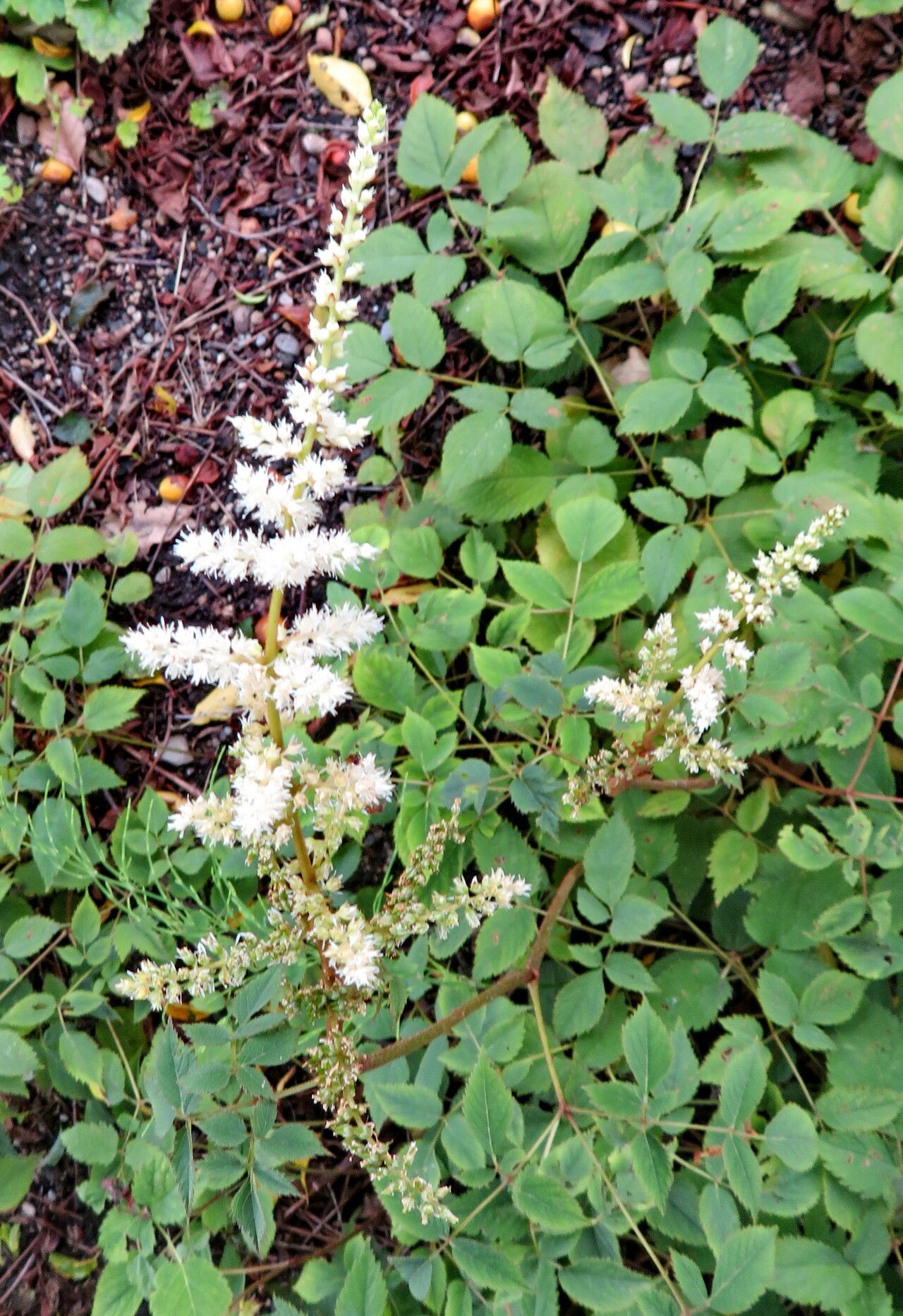
Propagating Astilbe grandis: A Gardener’s Guide to the Giant Astilbe
Astilbe grandis, also known as the giant astilbe, is a striking perennial prized for its impressive height, airy plumes of delicate flowers, and lush foliage. Its large, feathery flower panicles, ranging in color from white to pink, rise elegantly above deeply lobed, fern-like leaves, creating a dramatic display in the garden. This makes it a highly sought-after plant amongst gardeners, particularly those drawn to the drama of taller perennials. However, propagation of this magnificent species presents unique challenges.
Seed Germination:
Currently, there are no known reliable methods for seed germination propagation of Astilbe grandis. While seed production occurs, germination rates are notoriously low, and seedlings often exhibit poor vigor and inconsistent characteristics compared to the parent plant. The challenges stem from a complex seed structure and potentially stringent environmental requirements for germination that haven’t been fully understood to date. Therefore, relying on seed propagation for Astilbe grandis is generally not recommended for gardeners.
Cuttings:
Propagating Astilbe grandis from cuttings presents significant challenges. Success rates are generally low compared to other propagation methods. While some limited success may be achieved with stem cuttings taken from soft new growth in spring or early summer, these require a high humidity environment and often struggle to root. The use of rooting hormones may improve success but is not guaranteed.
Challenges: Low rooting success rate, susceptibility to rot in humid conditions.
Tips: Use semi-hardwood cuttings taken in summer; treat with rooting hormone; maintain high humidity using a propagator or cloche; provide bottom heat.
Rewards: Potentially a faster propagation method than division, if successful.
Division:
Division is the most reliable method for propagating Astilbe grandis. Established clumps, ideally three years or older, can be divided in spring or autumn. This method involves carefully separating the crown into smaller sections, each with its own roots and growing points.
Challenges: Requires established plants; can be labor-intensive depending on the size of the clump; potential for damage to roots and crowns if not done carefully.
Tips: Use sharp, clean tools to minimize damage; ensure each division has sufficient roots and growing points; plant immediately after division; water thoroughly.
Rewards: High success rate; maintains the exact genetic characteristics of the parent plant; relatively straightforward technique once mastered.
Tissue Culture:
Tissue culture offers the potential for large-scale propagation of Astilbe grandis. This laboratory-based technique involves growing plant tissues in sterile conditions, fostering rapid multiplication. However, it requires specialized equipment, aseptic techniques, and knowledge of plant tissue culture protocols, making it generally accessible only to professional nurseries or laboratories.
Challenges: Requires specialized equipment and knowledge; higher initial investment cost; potential for contamination.
Tips: Requires sterile lab conditions and expertise.
Rewards: Enables rapid and large-scale propagation; produces disease-free plants; allows for genetic preservation.
Conclusion:
Propagating Astilbe grandis presents several challenges, with division offering the highest success rate for the home gardener. While seed germination and cuttings are largely unreliable, tissue culture provides a viable option for large-scale commercial propagation. Nonetheless, the satisfaction of successfully cultivating this magnificent plant through any method, especially overcoming the obstacles inherent in propagation, is immensely rewarding. For the home gardener, mastering the art of division will unlock the potential to share the beauty of Astilbe grandis with others and expand your own garden’s splendor. Don’t be discouraged by the challenges – the rewards are well worth the effort!