
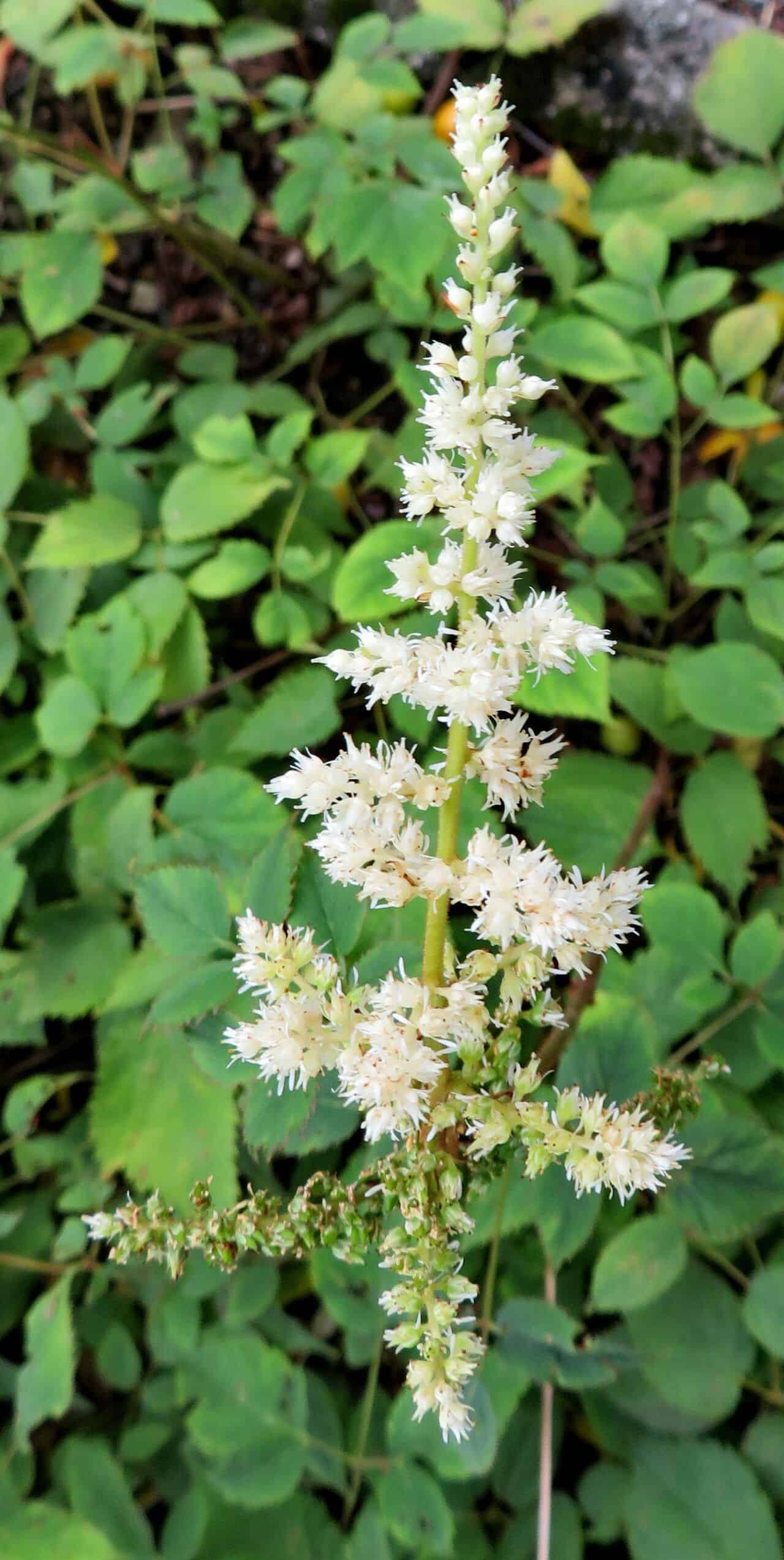
Unleashing the Power of Multiplication: Propagating Astilbe Grandis for a Lush Garden
Astilbe grandis, with its majestic plumes of feathery flowers and lush foliage, is a sight to behold in any garden. But what if you could multiply this beauty, creating a breathtaking expanse of color and texture without breaking the bank? Well, you’re in luck! Propagating Astilbe grandis is surprisingly easy, allowing even novice gardeners to expand their collection and share the joy of these stunning perennials.
This comprehensive guide will delve into the two most effective methods:
1. Division:
- The Perfect Time: Early spring or late fall, when the plant is dormant, are ideal. Dividing during these cooler periods reduces stress on the plant, ensuring a successful transition.
- Step-by-Step Guide:
- Dig Deep: Carefully dig around the plant, ensuring you don’t damage the root system.
- Gentle Separation: Lift the entire clump and gently tease apart the roots with your hands or a garden fork. Aim for sections with at least 3-5 healthy shoots.
- Replanting: Replant the divisions immediately in well-prepared soil with good drainage. Space them 18-24 inches apart, ensuring the crown (where the roots meet the stems) is level with the soil surface.
- Watering: Water thoroughly and keep the soil consistently moist, especially during the first few weeks, to encourage establishment.
2. Seed Propagation:
- A Longer Game: This method requires more patience, as seeds can take longer to germinate and mature than divisions. However, it’s a rewarding process, allowing you to witness the entire life cycle of your Astilbe grandis.
- Step-by-Step Guide:
- Seed Collection: Collect seeds from mature flower heads in late summer or early fall. Allow them to dry thoroughly before storing in a cool, dark place.
- Sowing Time: Start seeds indoors 6-8 weeks before the last expected frost.
- Sowing Technique: Use a seed starting mix and sow seeds lightly on the surface. Do not bury them, as light aids germination.
- Warmth and Moisture: Provide bottom heat using a seedling heat mat and mist regularly to maintain consistent moisture.
- Transplant Time: Once seedlings develop several sets of true leaves and the danger of frost has passed, gradually harden them off before transplanting outdoors.
Tips for Success:
- Well-Drained Soil: Astilbe grandis thrives in fertile, well-drained soil. Amend heavy clay soil with compost or other organic matter to improve drainage.
- Partial Shade Lovers: While Astilbe grandis can tolerate some sun, they truly flourish in partial shade, especially in hotter climates.
- Consistent Moisture: Maintaining consistent soil moisture is crucial, especially during dry spells. Mulching around the base of the plant helps retain moisture and suppress weeds.
- Deadheading Delights: Regularly removing spent flower plumes not only keeps the plant looking tidy but also encourages more blooms.
Propagating your Astilbe grandis is a rewarding endeavor that allows you to multiply these magnificent plants and create a truly stunning garden haven. Whether you choose division or embark on the journey of seed propagation, remember these tips, and soon you’ll be enjoying the enchanting beauty of these feathery plumes for years to come.