
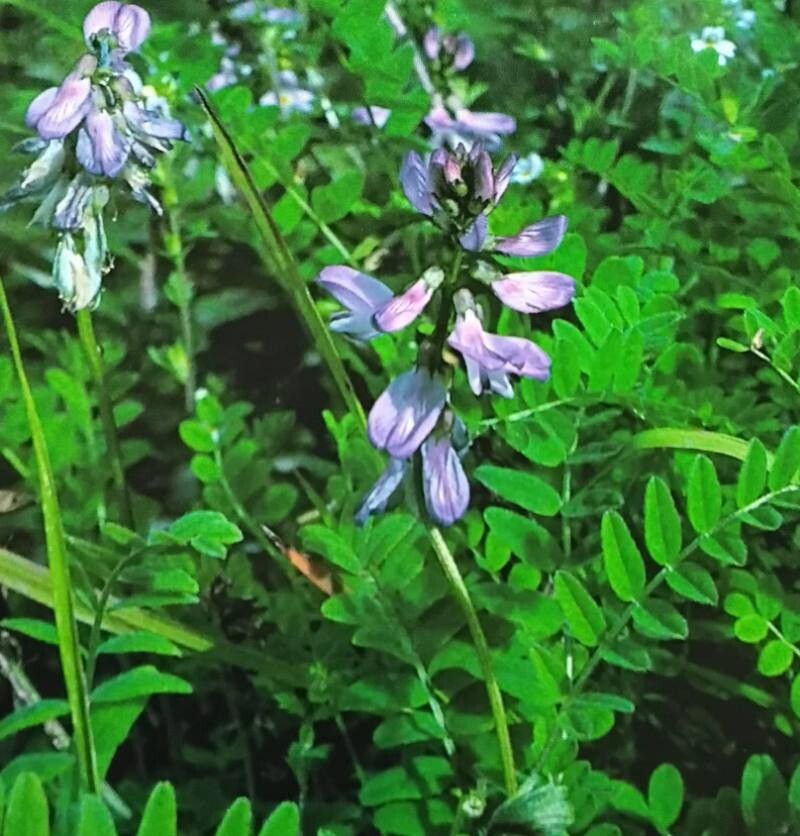
Propagating Astragalus alpinus: A Challenging but Rewarding Endeavor
Introduction
Astragalus alpinus, also known as Alpine Milkvetch, is a charming alpine plant prized for its delicate, pea-like flowers and its ability to thrive in challenging, high-altitude conditions. Its low-growing habit and tolerance of poor, well-drained soils make it a desirable addition to rock gardens and alpine troughs. However, its propagation presents unique challenges, making successful cultivation a rewarding experience for the dedicated gardener. While its relative rarity contributes to its desirability, it also makes it less readily available through conventional means, incentivizing propagation techniques.
Seed Germination:
Currently, there are no known reliable methods for seed germination propagation of Astragalus alpinus. While seeds may be produced, germination rates are notoriously low, and successful seedling establishment is extremely difficult. This is likely due to a combination of factors, including the plant’s specific dormancy requirements and the delicate nature of its seedlings. Further research is needed to optimize germination protocols for this species.
Cuttings:
Propagating Astragalus alpinus from cuttings presents considerable challenges. The success rate is generally low, owing to the plant’s woody nature and its tendency to root poorly. While some anecdotal evidence suggests that semi-hardwood cuttings taken in late summer might offer a slightly higher chance of success, this method is far from reliable. The process typically involves using a rooting hormone and maintaining high humidity within a propagation frame. Even with optimal conditions, only a small percentage of cuttings are likely to root.
Division:
Division is arguably the most reliable method for propagating Astragalus alpinus. Established plants can be carefully divided in early spring or late autumn, ensuring each division contains sufficient roots and actively growing shoots. This method is less prone to failure than cuttings or seed propagation. However, success relies on careful handling to avoid damaging the delicate root system. The limited number of plants available for division restricts large-scale propagation through this method.
Tissue Culture:
Tissue culture, while a more sophisticated and resource-intensive technique, offers the potential for large-scale propagation of Astragalus alpinus. This method allows for the creation of numerous genetically identical plants from a small amount of source material. However, developing a successful protocol for Astragalus alpinus would require significant expertise and resources in plant tissue culture techniques, including identifying optimal media, growth regulators, and sterilization methods specific to the species.
Conclusion:
Propagating Astragalus alpinus presents several significant challenges across various methods. Seed germination is currently unreliable, cuttings have a low success rate, division is limited by the number of parent plants, and tissue culture necessitates specialized knowledge and facilities. Despite these obstacles, the rewards of successfully cultivating this beautiful alpine plant are substantial. The satisfaction derived from nurturing a tiny cutting or division into a thriving plant, especially considering the difficulty involved, is deeply rewarding. For aspiring propagators, patience, persistence, and a meticulous approach are key to success. Begin with the more reliable method of division if possible; if starting from seed or cuttings, meticulously follow any available (though limited) guidance and manage your expectations. The journey, however challenging, makes the achievement even sweeter.