
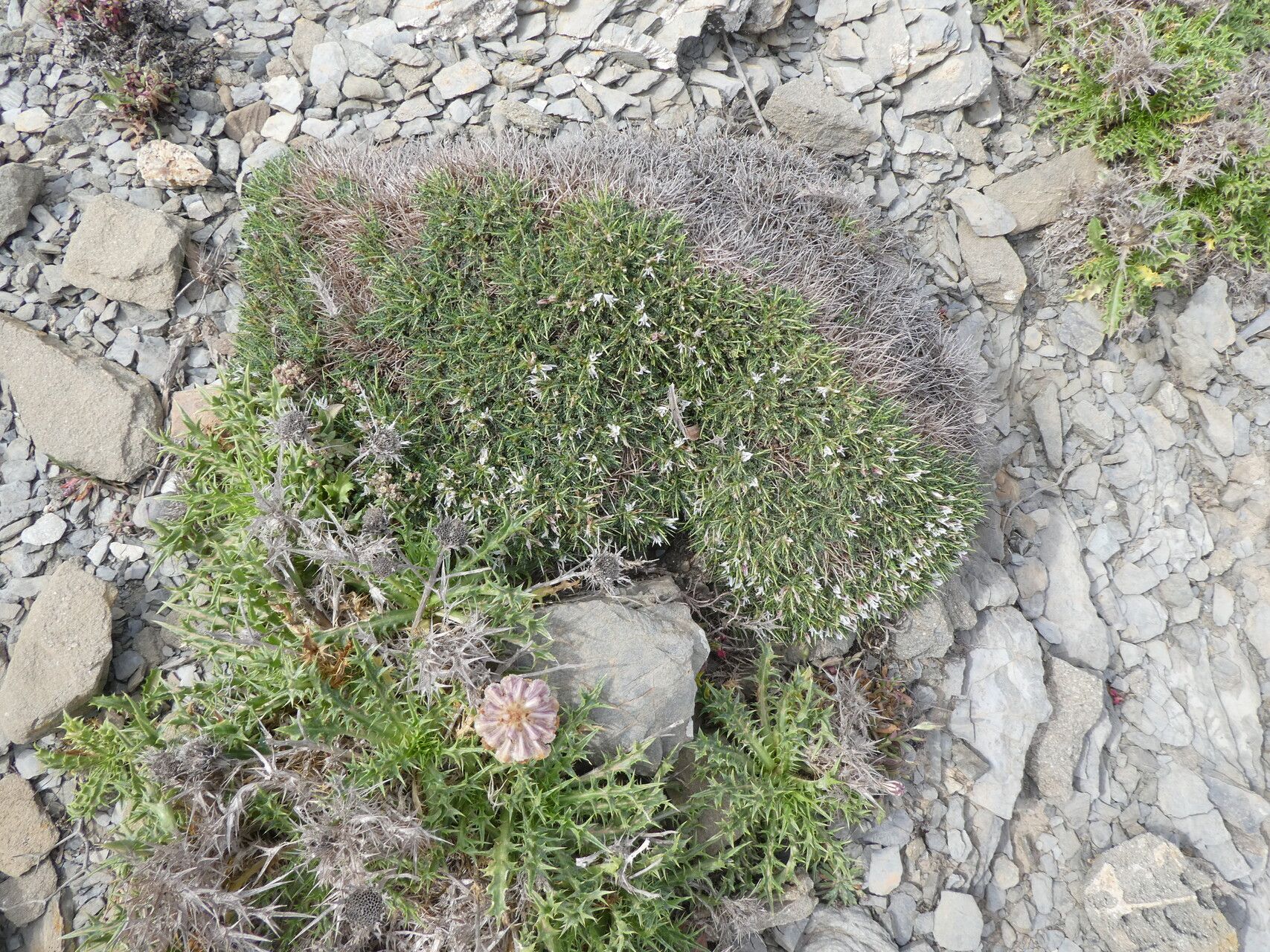
Propagating the Balearic Milkvetch (Astragalus balearicus): A Gardener’s Guide
Introduction:
Astragalus balearicus, commonly known as the Balearic milkvetch, is a captivating perennial legume native to the Balearic Islands. Its delicate, pea-like flowers, often a vibrant purple or lilac, and silvery-grey foliage make it a prized addition to rock gardens and xeriscapes. Its drought tolerance and relatively low maintenance requirements contribute to its growing popularity among gardeners, but propagating this charming plant presents unique challenges. While its beauty is undeniable, successfully cultivating it from seed, cuttings, or divisions requires patience and attention to detail. Its relative rarity in cultivation also enhances the satisfaction of successful propagation.
Seed Germination:
Currently, there are no known reliable methods for seed germination propagation of Astragalus balearicus. Limited research exists on its propagation, and attempts to germinate seeds have resulted in low success rates, even with pre-treatment techniques such as scarification and stratification. This low germination rate is likely due to a combination of factors including seed dormancy mechanisms and the plant’s specific environmental needs. Further research is needed to determine successful germination protocols.
Cuttings:
Propagating Astragalus balearicus via cuttings presents a more promising approach than seed germination. The challenges lie in striking a balance between providing sufficient moisture to prevent desiccation and avoiding rot.
Challenges: The success rate with cuttings is highly dependent on timing (ideally taking cuttings in spring or early summer), the use of rooting hormone, and maintaining consistent humidity within a propagation environment. Some varieties might be more prone to stem rot than others.
Practical Tips: Use semi-hardwood cuttings, approximately 4-6 inches long. Remove lower leaves to reduce water loss. Dip the cut ends in a rooting hormone and plant them in a well-draining medium like a mix of perlite and vermiculite. Place cuttings under a humidity dome or mist regularly to maintain high humidity.
- Rewards: Successful propagation using cuttings ensures that you obtain an exact genetic copy of the parent plant, preserving desirable characteristics. It also allows for faster propagation compared to seed, provided suitable techniques are applied.
Division:
Division is another potentially viable propagation technique for Astragalus balearicus, specifically when established plants are undergoing active growth.
Challenges: Dividing the root system too aggressively can damage the plant, lowering its chances of survival. Selecting the right time of year (spring or early autumn, after flowering) is crucial for optimal success.
Practical Tips: Gently dig up the established plant and carefully separate the root crown into smaller divisions, each with a viable set of roots and shoots. Replant the divisions immediately in a well-draining soil, ensuring that the crown is at or slightly above ground level.
- Rewards: Division offers relatively high success rates compared to seed germination and is a fast way to increase your stock of established plants.
Tissue Culture:
Tissue culture propagation of Astragalus balearicus has not been widely explored and represents a significant challenge.
Challenges: Establishing and maintaining sterile conditions is critically important. Developing appropriate media formulations to stimulate shoot and root formation is likely to require considerable experimentation. This method demands specialized laboratory equipment and expertise.
Practical Tips: The current lack of published protocols dictates significant exploratory work including media optimization trials and testing of various plant growth regulators.
- Rewards: While highly demanding, tissue culture offers the potential for rapid and large-scale propagation, providing a way to conserve and preserve genetically valuable plants.
Conclusion:
Propagating Astragalus balearicus presents a unique set of challenges, with cuttings and division offering the most promising avenues currently. Seed germination remains unreliable, while tissue culture demands substantial expertise and resources. Nevertheless, the effort invested is rewarded with the unique satisfaction of cultivating this beautiful and somewhat elusive plant. The subtle texture of its leaves, its resilience to drought, and its exquisite blooms make the successful propagation of the Balearic milkvetch a deeply rewarding experience for the dedicated gardener. Don’t be discouraged by initial setbacks – persistent effort, especially with cuttings or division, often yields successful propagation of this charming plant.