
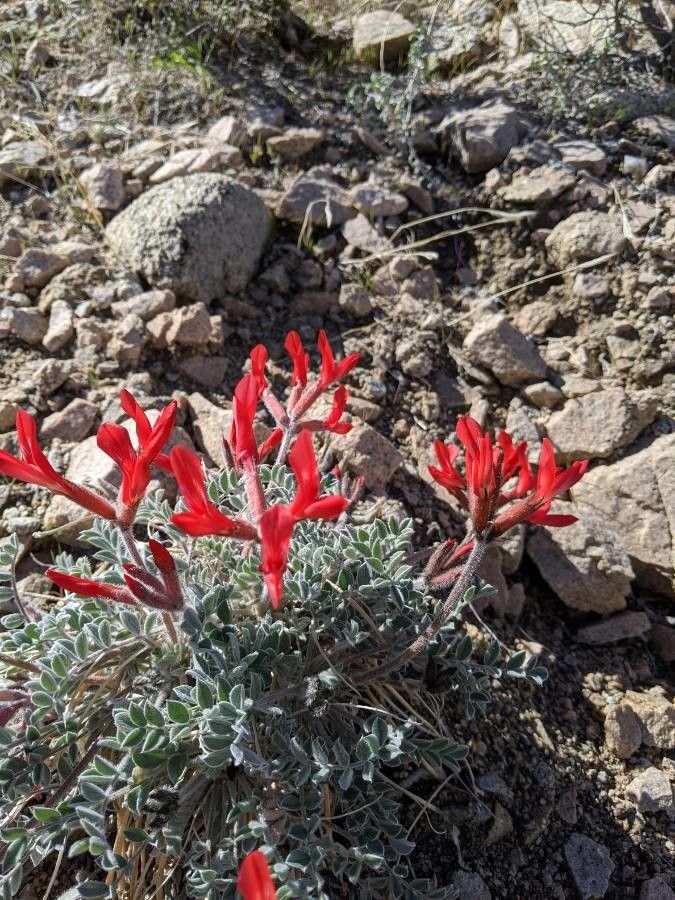
The Scarlet Secret: Propagating Astragalus coccineus (Scarlet Milkvetch)
Have you ever been captivated by the vibrant crimson blooms of Astragalus coccineus, also known as the Scarlet Milkvetch? This striking wildflower, native to the western United States, is a true gem for any garden. But what if you could share this beauty with others, or create a whole meadow of these brilliant red flowers? That’s where propagation comes in.
The Beauty of Propagation
Propagation is the process of creating new plants from existing ones. For a plant lover, it’s a rewarding experience. Not only can you expand your garden, but you can also share the joy of growing these captivating plants with friends and family.
The Art of Propagating Astragalus coccineus
While Scarlet Milkvetch may look delicate, propagating it is surprisingly simple. There are two main methods:
- Harvesting Seeds: The first step is to collect seeds from mature seed pods. They’ll develop after the flowers fade, turning brown and becoming brittle.
- Preparation: Once harvested, store the seeds in a cool, dry place until ready for sowing. This can be either directly in the garden in the spring or in seed trays indoors.
- Sowing: When sowing directly in the garden, scatter seeds onto well-prepared soil, lightly cover them with a thin layer of soil, and water thoroughly. For indoor sowing, fill trays with seed-starting mix, sow seeds thinly on the surface, and cover them with a clear plastic dome for humidity.
- Germination: Expect seeds to germinate in 2-4 weeks under ideal conditions.
- Transplanting: Once seedlings have a few true leaves, they can be transplanted outdoors.
2. Division
This method is ideal for established plants that have formed multiple stems.
- Time it Right: The best time to divide Scarlet Milkvetch is in early spring or late summer.
- Preparation: Carefully dig up the plant, making sure to preserve as much of the root system as possible.
- Divide with Care: Use a sharp knife or a trowel to separate the plant into smaller divisions, each with healthy roots and shoots.
- Replant: Plant the divisions immediately in their new locations, making sure the roots are well-covered with soil. Water thoroughly.
Tips for Success
- Sunlight: Astragalus coccineus thrives in full sun to partial shade. Plant them in a location that receives at least 6 hours of sunlight per day.
- Soil: Aim for well-drained soil, as these plants are susceptible to root rot. If your soil is heavy, amend it with compost or sand.
- Water: Once established, Scarlet Milkvetch can tolerate dry conditions. Water deeply but infrequently, allowing the soil to dry out slightly between waterings.
- Fertilizer: Light fertilization during the growing season can help your plants thrive, but it’s not essential.
Rewarding Results
With a little effort, you can easily propagate Scarlet Milkvetch and share the beauty of this stunning wildflower. By following these steps, you can build your own personal oasis of vibrant red blooms and experience the satisfaction of successfully growing your own plants. Whether you opt for seed propagation or division, the journey is just as rewarding as the final result. So, join the world of plant propagation and discover the magic of growing Scarlet Milkvetch!