
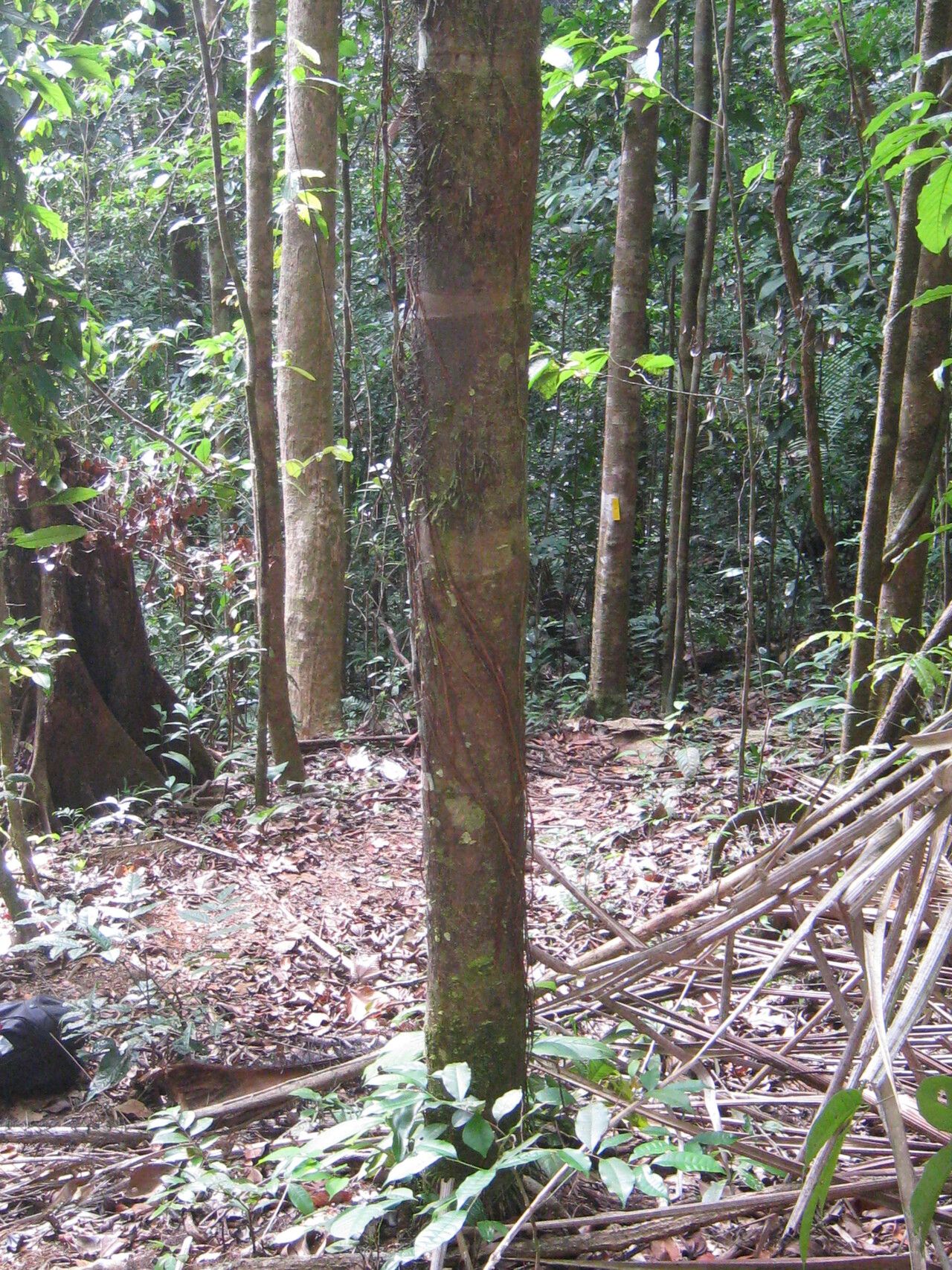
Propagating Astrocaryum rodriguesii: A Gardener’s Guide to the "Bussu" Palm
Introduction:
Astrocaryum rodriguesii, commonly known as the Bussu palm, is a striking member of the Arecaceae family, native to Brazil. Characterized by its spiny stems, elegant, feathery fronds, and striking orange fruits, it’s gaining popularity among gardeners drawn to its unique aesthetic and tropical charm. However, propagating this palm presents several challenges, making successful cultivation a rewarding, albeit sometimes frustrating, experience. This article explores various propagation methods, highlighting their viability and offering practical advice.
Seed Germination:
Seed germination is a viable method for propagating Astrocaryum rodriguesii, but success requires patience and attention to detail.
Challenges: The seeds possess a hard outer shell, often requiring pre-treatment to break dormancy. Germination rates can be low, and seedlings can be susceptible to fungal diseases.
Practical Tips: Prior to sowing, consider scarification (mechanically weakening the seed coat) by gently filing or nicking the seed surface. Soaking the seeds in warm water for 24-48 hours before sowing can also improve germination rates. A well-draining seed-starting mix, maintained consistently moist but not waterlogged, is crucial. Warm temperatures (25-30°C) and high humidity are beneficial. Germination can take several weeks or even months.
Rewards: Seed propagation offers the advantage of increased genetic diversity within your collection. It also presents a potential pathway for large-scale propagation, though patience is a prerequisite.
Cuttings:
Currently, there are no known reliable methods for propagating Astrocaryum rodriguesii through cuttings. The palm’s physiology doesn’t lend itself easily to this technique.
Division:
Division is not a practical propagation method for Astrocaryum rodriguesii. This species typically grows as a single stem, unlike clustering palms that can be easily divided.
Tissue Culture:
Tissue culture offers a potentially effective, albeit advanced, method for propagating Astrocaryum rodriguesii.
Challenges: Tissue culture requires specialized equipment, sterile conditions, and a high level of technical expertise. The establishment of appropriate protocols for this species may require significant experimentation.
Practical Tips: Successful tissue culture relies heavily on the use of sterile media (often containing plant hormones), appropriate temperature and light conditions, and meticulous aseptic technique to prevent contamination.
Rewards: Tissue culture allows for the rapid propagation of large numbers of genetically identical plants, potentially useful for commercial applications or preserving rare genotypes.
Conclusion:
Propagating Astrocaryum rodriguesii presents unique hurdles, with seed germination offering the most readily accessible (albeit relatively slow) method. While cuttings and division are unsuitable, tissue culture presents a promising albeit technically demanding pathway for large-scale propagation. Patience, a keen eye for detail, and a willingness to adapt your approach are essential characteristics for any aspiring propagator of this beautiful and challenging palm. The satisfaction of successfully cultivating Astrocaryum rodriguesii from seed, overcoming the challenges, is a significant reward, showcasing your dedication and horticultural prowess. Don’t let the difficulties deter you – the unique beauty of the Bussu Palm makes the journey worthwhile.