
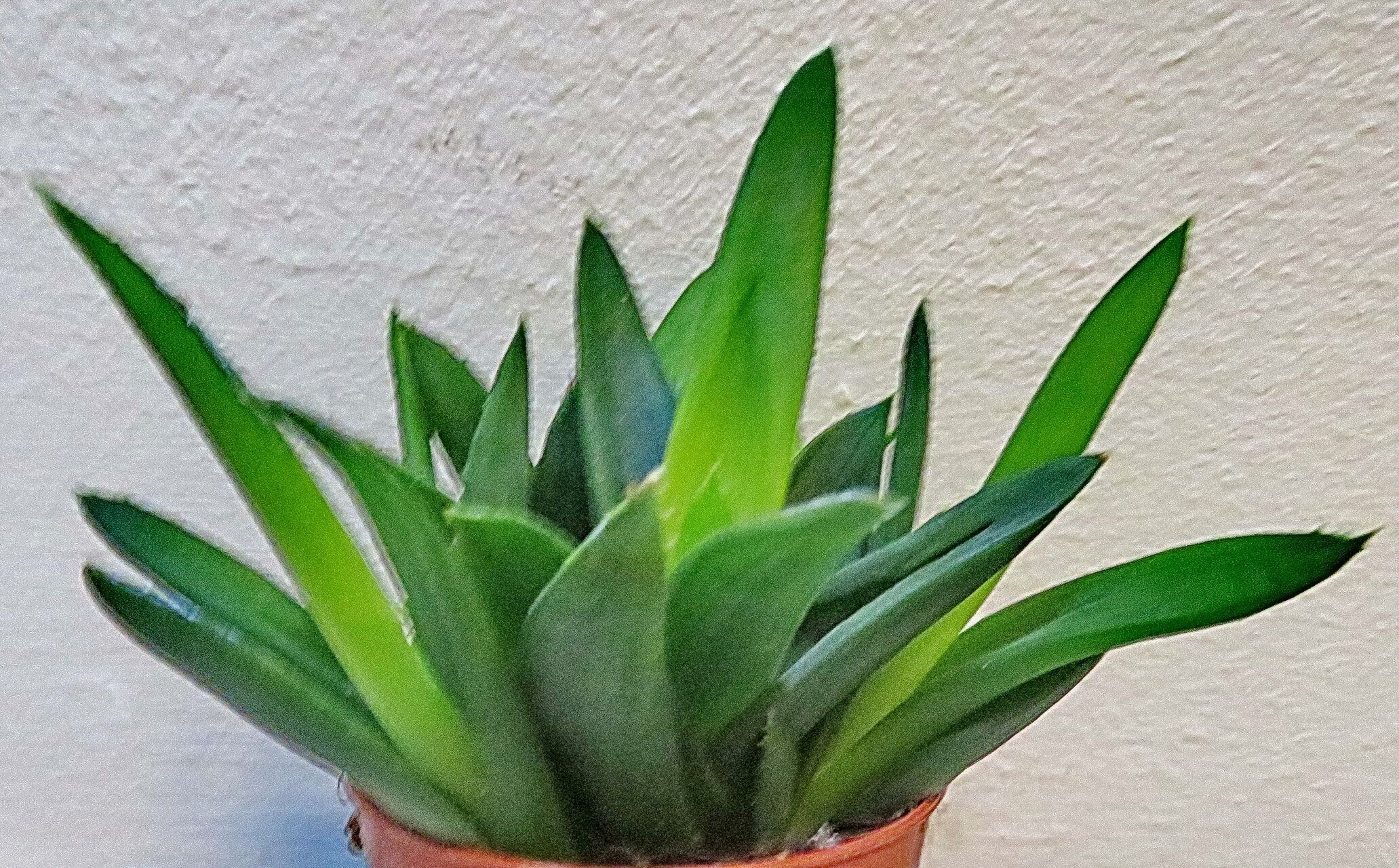
Unlocking the Secrets of the Astroloba pentagona: A Guide to Propagation for Beginner and Experienced Growers Alike
The Astroloba pentagona, a mesmerizing succulent hailing from South Africa, is a captivating plant appreciated for its unique star-shaped leaves and striking aesthetic. Its popularity among succulent enthusiasts is on the rise, fueling a desire to share its beauty by propagating, or creating new plants from existing ones.
This guide explores the various ways to propagate Astroloba pentagona, providing a comprehensive understanding for both novice and seasoned growers. Whether you’re a seasoned green thumb or just starting your succulent journey, you’ll find everything you need to know to successfully propagate this enchanting plant.
From Seeds to Success:
One of the most rewarding ways to propagate Astroloba pentagona is through seeds. This method offers the potential to cultivate a diverse range of variations, as each seed has the potential to develop into a slightly different plant. However, patience is key, as seed germination can take several weeks or even months.
- Sowing the Seeds: Choose a well-draining seed starting mix and fill small pots or trays. Sow the seeds thinly on the surface, gently pressing them into the soil. Mist the soil with water and cover the pot or tray with a plastic wrap to create a humid environment. Place the container in a bright, warm location with indirect light.
- Maintaining Ideal Conditions: Regularly check the soil moisture and mist when it begins to dry. As seedlings emerge, gradually acclimate them to direct sunlight, avoiding harsh midday rays. Once the seedlings have developed a few sets of true leaves, they can be carefully transplanted into individual pots with well-draining soil.
The Art of Leaf Propagation:
A popular and readily accessible method is leaf propagation, where individual leaves are used to cultivate new plants. It’s a relatively simple technique, but it requires meticulousness and careful observation.
- Selecting Healthy Leaves: Choose firm, healthy leaves from mature plants. Gently twist the leaf at the base, ensuring it detaches cleanly without damaging the plant.
- Preparing the Leaf for Propagation: Let the leaf callus over for a few days, allowing a dry layer to form on the cut end. This promotes root growth.
- Planting the Leaf: Place the calloused leaf on top of well-draining soil, ensuring it is partially submerged. You can gently press the leaf into the soil for better contact. Place the pot in a bright location with indirect light.
- Keeping it Consistent: Water sparingly, allowing the soil to dry out between waterings. Within a few weeks, you should see tiny plantlets emerging from the base of the leaf.
A More Demanding Approach: Division:
If your Astroloba pentagona has developed multiple rosettes, division offers a quicker way to increase your plant collection. This involves carefully separating the rosettes from the parent plant, allowing each to establish as an independent plant.
- Timing is Everything: The best time to divide an Astroloba pentagona is during the spring or early summer when the plant is actively growing.
- Preparation is Key: Before separating the rosettes, ensure the soil is dry. This prevents damage to the roots. Carefully loosen the soil around the base of the plant to expose the root system.
- Divide with Care: Gently separate the rosettes, ensuring each has a healthy root system. If necessary, use a sharp knife to divide the root ball.
- New Beginnings: Plant the separated rosettes in individual pots with well-draining soil. Water sparingly, allowing the soil to dry out between waterings, and place the pots in a bright location with indirect light.
Conclusion:
Propagating Astroloba pentagona offers a rewarding experience for succulent enthusiasts of all levels. Each method, from sowing seeds to dividing established plants, has its own advantages and challenges. Whether you’re seeking the satisfaction of witnessing the germination of a tiny seed or the convenience of leaf propagation, understanding the nuanced techniques will empower you to cultivate this striking succulent and enjoy its beauty for years to come.