
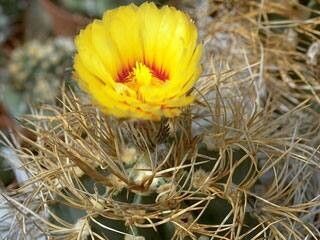
Propagating the Goat Horn Cactus: A Guide to Astrophytum capricorne
Introduction:
Astrophytum capricorne, commonly known as the Goat Horn Cactus, is a captivating succulent prized for its striking appearance. Its dark green body is densely covered in curved, horn-like spines, giving it a unique and almost prehistoric look. This relatively slow-growing cactus is a popular choice among succulent enthusiasts, but its propagation can present some challenges. Its relatively slow growth rate and specific environmental needs make successful propagation a rewarding yet demanding endeavor, especially when compared to faster-growing cacti. The unique genetic diversity obtainable through propagation, however, makes the effort worthwhile.
Seed Germination:
Seed germination is a viable method for propagating Astrophytum capricorne. However, it presents some challenges. The seeds are notoriously small and require careful handling.
Challenges: Seed rot is a common problem, often stemming from overwatering or poorly draining sowing mix. Germination rates can be low and inconsistent, even under optimal conditions. Seedlings are exceptionally vulnerable to damping-off diseases.
Practical Tips: Use a well-draining seed-starting mix, such as a blend of cactus potting soil and perlite. Sow seeds thinly onto the surface, barely covering them with the mix. Maintain consistently warm temperatures (24-28°C) and high humidity (e.g., using a humidity dome). Avoid direct sunlight until seedlings are established. Gentle bottom watering is recommended to prevent fungal growth. Stratification (a period of cold treatment before sowing) is generally not necessary for Astrophytum capricorne.
Rewards: Seed-grown plants exhibit greater genetic diversity than those propagated by vegetative means. This method allows for large-scale propagation, enabling the distribution of this beautiful cactus to more enthusiasts.
Cuttings:
Currently, there are no known reliable methods for propagating Astrophytum capricorne from cuttings. The cactus does not readily produce stems suitable for propagation in this manner.
Division:
Division is not a feasible propagation method for Astrophytum capricorne. Unlike some clumping succulents, this species usually grows as a single stem.
Tissue Culture:
Tissue culture offers a promising but technically demanding way to propagate Astrophytum capricorne.
Challenges: This method requires specialized equipment, sterile techniques, and a thorough understanding of plant tissue culture principles. Contamination is a severe risk, and establishing aseptic conditions is crucial for success. Finding the optimal growth medium and hormone balance can require significant experimentation.
Practical Tips: Sterilization of all tools and materials is paramount. Appropriate plant growth regulators (auxins and cytokinins) must be used to stimulate shoot and root formation. Careful monitoring of conditions, including temperature, light, and humidity, is essential.
Rewards: Tissue culture allows for rapid and large-scale clonal propagation. This secures the preservation of desirable traits and allows the creation of large numbers of plants.
Conclusion:
Propagating Astrophytum capricorne presents various unique challenges depending on the chosen method. While seed germination offers genetic diversity, it requires patience and skill to overcome the risk of seed rot and low germination rates. Cuttings and division are not viable options. Tissue culture offers a high-yield approach, but it requires specialized knowledge and resources.
The unique satisfaction derived from successfully cultivating this cactus stems from overcoming these hurdles. The slow growth and peculiar demands of Astrophytum capricorne make the reward of a thriving plant all the more poignant. For aspiring propagators, I encourage patience, persistence, and thorough research. Even small successes in germinating seeds or mastering tissue culture techniques are significant milestones in the rewarding journey of cultivating this exceptional cactus. Don’t be discouraged by initial setbacks; the beauty and uniqueness of your propagated Astrophytum capricorne will make the effort worthwhile.