
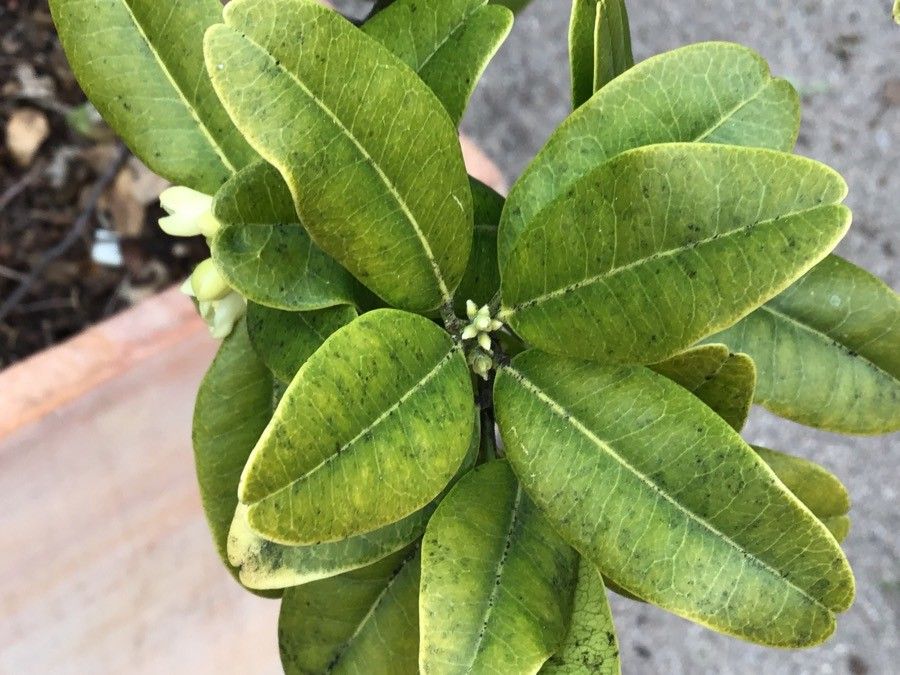
Unlocking the Secrets of Atalantia Citroides: A Guide to Propagation
The Atalantia citroides, also known as the Vietnamese Lemon or Kabosu Lime, is a citrus lover’s dream. This Southeast Asian native boasts glossy green leaves, fragrant blossoms, and unique, tart fruits prized for culinary and medicinal uses. While finding this exotic gem at a local nursery can be difficult, propagating Atalantia citroides at home is surprisingly achievable. Whether you’re a seasoned gardener or a curious beginner, this guide will equip you with the knowledge to successfully multiply your very own citrus haven.
Two Paths to Propagation:
1. Seed Propagation: A Journey of Patience and Reward
Growing Atalantia citroides from seed is an adventure that requires a bit of patience but yields immense satisfaction. Here’s how:
- Seed Collection and Preparation: Extract fresh seeds from ripe fruits, rinsing off any pulp. Allow them to dry for a day or two.
- Sowing: Plant seeds about half an inch deep in a well-draining seed starting mix. Keep the soil consistently moist but not waterlogged.
- Warmth and Light: Place the seed tray in a warm location (around 70-75°F) with access to bright, indirect sunlight.
- Germination: Be patient! Seedlings can take anywhere from 3 weeks to 2 months to emerge.
- Transplanting: Once seedlings develop a few sets of true leaves, they can be transplanted to individual pots with well-draining potting mix.
Pros:
- Seeds are readily available if you have access to fruits.
- It’s a budget-friendly method.
- Witnessing the entire growth cycle can be incredibly rewarding.
Cons:
- Germination can be slow and inconsistent.
- Seed-grown trees take longer to fruit compared to those propagated from cuttings.
2. Cuttings: A Faster Route to Fruitfulness
Propagating Atalantia citroides from cuttings offers a faster route to mature, fruit-bearing trees. Follow these steps:
- Timing is Key: Spring or early summer, when the plant is actively growing, is the ideal time for taking cuttings.
- Selecting the Right Cuttings: Choose healthy, non-flowering branches about 4-6 inches long. The cuttings should be semi-hardwood, meaning they are firm but not completely woody.
- Preparing the Cuttings: Remove the leaves from the lower third of the cutting to prevent rot. Make a clean cut just below a leaf node.
- Hormone Boost: Dip the cut end in rooting hormone powder to encourage root development (optional but recommended).
- Planting the Cuttings: Plant the cuttings in a well-draining rooting mix (equal parts peat moss, perlite, and vermiculite work well) and water thoroughly.
- Creating a Humid Environment: Cover the pot with a clear plastic bag or create a humidity dome to retain moisture.
- Rooting: Place the pot in a warm location with indirect light. Roots will typically develop in 4-8 weeks.
- Transplanting: Once roots have formed, carefully transplant the cuttings into individual pots with well-draining potting mix.
Pros:
- Significantly faster than growing from seed.
- The resulting plant will be genetically identical to the parent plant, preserving desirable traits.
- Higher success rate compared to seed propagation.
Cons:
- Requires access to a healthy parent plant.
Nurturing Your Atalantia Citroides:
Regardless of your chosen propagation method, providing your Atalantia Citroides with the right care is crucial for its success:
- Sunlight: Plenty of bright, indirect sunlight is essential.
- Watering: Keep the soil consistently moist, but avoid overwatering, which can lead to root rot.
- Fertilization: Feed regularly with a balanced citrus fertilizer during the growing season.
- Pruning: Prune lightly to maintain shape and encourage bushier growth.
With patience and proper care, you can successfully propagate Atalantia citroides and enjoy the unique beauty and fruits of this exotic citrus treasure for years to come.