
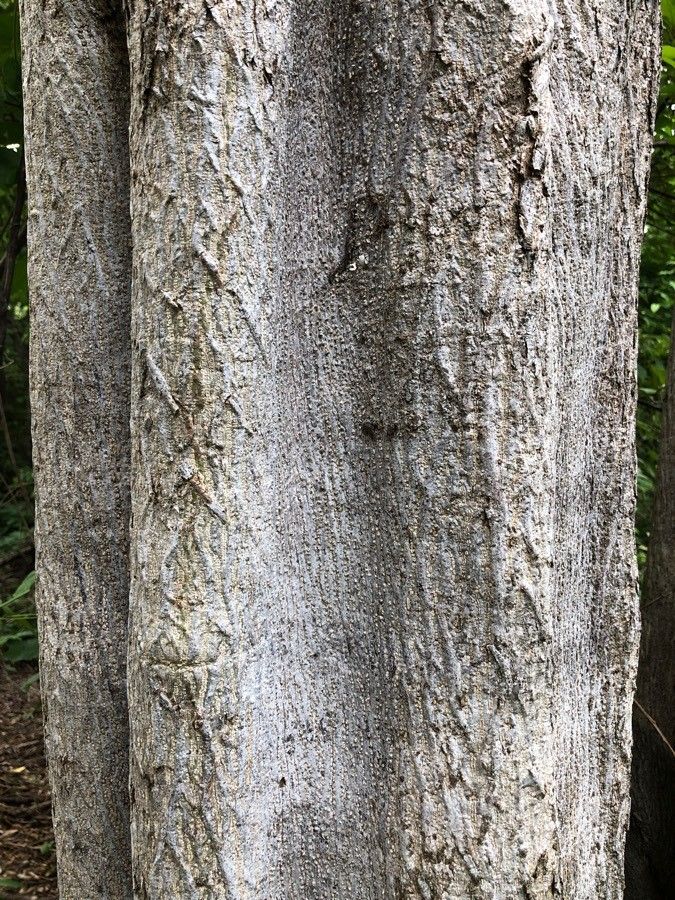
Propagating Ateleia herbert-smithii: A Gardener’s Challenge
Ateleia herbert-smithii, also known as the Pink Shower Tree, is a captivating small tree prized for its vibrant, pink-flowered displays. Its relatively fast growth and stunning floral spectacle have contributed to its increasing popularity among gardeners seeking an eye-catching addition to their landscapes. However, propagating this beautiful species presents unique challenges, making its successful cultivation all the more rewarding.
Seed Germination:
Currently, there are no known reliable methods for seed germination propagation of Ateleia herbert-smithii. While seeds may be produced, their germination rate is extremely low, and successful germination has not been consistently replicated under various conditions. Further research is needed to determine if specific pre-treatment techniques, such as scarification or stratification, could improve germination success.
Cuttings:
Propagating Ateleia herbert-smithii through cuttings offers a more promising approach than seed germination. However, it’s still not a guaranteed success.
Challenges: The relatively hard wood of Ateleia herbert-smithii can make rooting cuttings difficult. Success largely depends on timing, utilizing appropriate rooting hormone, and maintaining consistently high humidity and temperature.
Practical Tips: Semi-hardwood cuttings taken in late summer or early autumn offer the best chance of success. These should be approximately 4-6 inches long, with the lower leaves removed. Dip the cut ends in a rooting hormone powder before planting in a well-draining potting mix. Maintain high humidity using a propagator or covering with a plastic bag. Consistent bottom heat can also significantly improve rooting.
Rewards: Cuttings produce genetically identical plants to the parent, ensuring the replication of desirable traits. This method is also relatively quick and efficient for smaller-scale propagation.
Division:
Division is generally not a feasible method for propagating Ateleia herbert-smithii. This species develops a strong taproot system, making division without significant damage to the plant highly improbable.
Tissue Culture:
Tissue culture offers the potential for large-scale propagation of Ateleia herbert-smithii, bypassing the challenges associated with seed germination and cuttings.
Challenges: Establishing a reliable tissue culture protocol for Ateleia herbert-smithii requires specialized knowledge, equipment, and a sterile laboratory environment. The optimization of growth media and hormonal supplements is crucial for successful shoot multiplication and rooting.
Practical Tips: This method is best left to experienced tissue culture laboratories.
Rewards: Tissue culture allows for the mass production of genetically identical plants, offering significant potential for commercial propagation and conservation efforts.
Conclusion:
Propagating Ateleia herbert-smithii presents a unique set of challenges across different methods. While seed germination currently seems unviable, cuttings offer a reasonable, albeit not foolproof, avenue for propagation. Tissue culture holds the most potential for large-scale production but requires specialized expertise and resources. The rewards, however, are well worth the effort. The satisfaction of successfully cultivating this stunning tree, overcoming the hurdles of propagation, adds a special layer of appreciation for its beauty. For aspiring propagators, patience, persistence, and attention to detail are key. Start with cuttings, employing all the best practices mentioned to improve your odds of success. Even with challenges, the joy of nurturing a Pink Shower Tree from a cutting, or from tissue culture eventually, makes the journey highly worthwhile.