
Conquering the Mountain: Propagating Athamanta montana
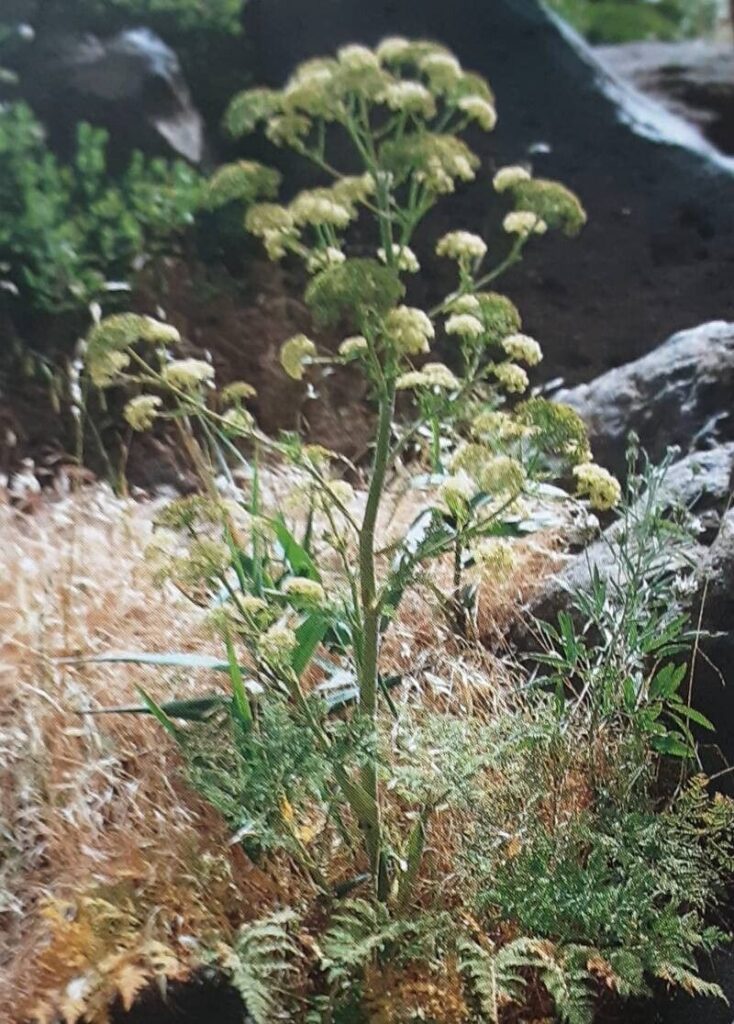
Athamanta montana, also known as Mountain Spignel, is a charming perennial boasting delicate, feathery foliage and dainty white flowers that resemble Queen Anne’s Lace. While relatively unknown in mainstream gardens, this alpine plant offers a touch of wild elegance to rock gardens, gravel beds, and even containers. If you’re looking for a unique and low-maintenance addition to your garden, Athamanta montana might be your perfect match. And the best part? Propagating it isn’t as daunting as you might think!
Two Paths to Propagation:
While sourcing Athamanta montana from specialized nurseries is possible, propagating your own plants adds a rewarding dimension to your gardening journey. You can choose from two primary methods, each with its own set of advantages:
1. Seed Sowing:
- Timing is Key: Athamanta montana seeds germinate best when sown fresh in the fall. This allows them to experience the natural freeze-thaw cycle they need to break dormancy.
- Sowing Process: Sow the seeds directly into prepared seed trays or pots filled with well-draining seed compost. Lightly cover the seeds with a thin layer of compost or vermiculite.
- Patience is a Virtue: Germination can be slow and erratic, sometimes taking several months. Keep the pots consistently moist but not waterlogged.
- Transplanting Success: Once seedlings have developed a couple of true leaves, carefully transplant them into individual pots or your desired garden location.
2. Division:
- Divide and Conquer: This method is best for established Athamanta montana plants. In early spring or fall, carefully lift the entire plant from the ground.
- Gentle Separation: Using a sharp, clean knife or garden spade, divide the plant into smaller sections, ensuring each division has a healthy root system.
- Replanting Rituals: Replant the divisions immediately in their desired locations, ensuring the crown of the plant sits level with the soil surface.
- Watering Wisely: Water well after planting to help the divisions establish themselves.
Essential Tips for Success:
- Well-Drained Soil: Athamanta montana thrives in well-drained soil and dislikes sitting in waterlogged conditions. Amend heavy soils with grit, sand, or perlite to improve drainage.
- Sun-Kissed Location: Choose a sunny location for your Athamanta montana, although it can tolerate some light shade, particularly in warmer climates.
- Minimal Feeding: This hardy plant is not a heavy feeder. A light application of balanced fertilizer in spring is usually sufficient.
- Disease and Pest Resistance: One of the joys of growing Athamanta montana is its natural resistance to most pests and diseases.
Reaping the Rewards:
With a little patience and care, propagating your own Athamanta montana can bring immense satisfaction and a beautiful addition to your garden. These resilient plants, once established, will reward you with their attractive foliage and delicate blooms for many years to come, adding a touch of alpine charm to your outdoor space.