
Propagating the Black Spleenwort: Athyrium melanolepis
Introduction:
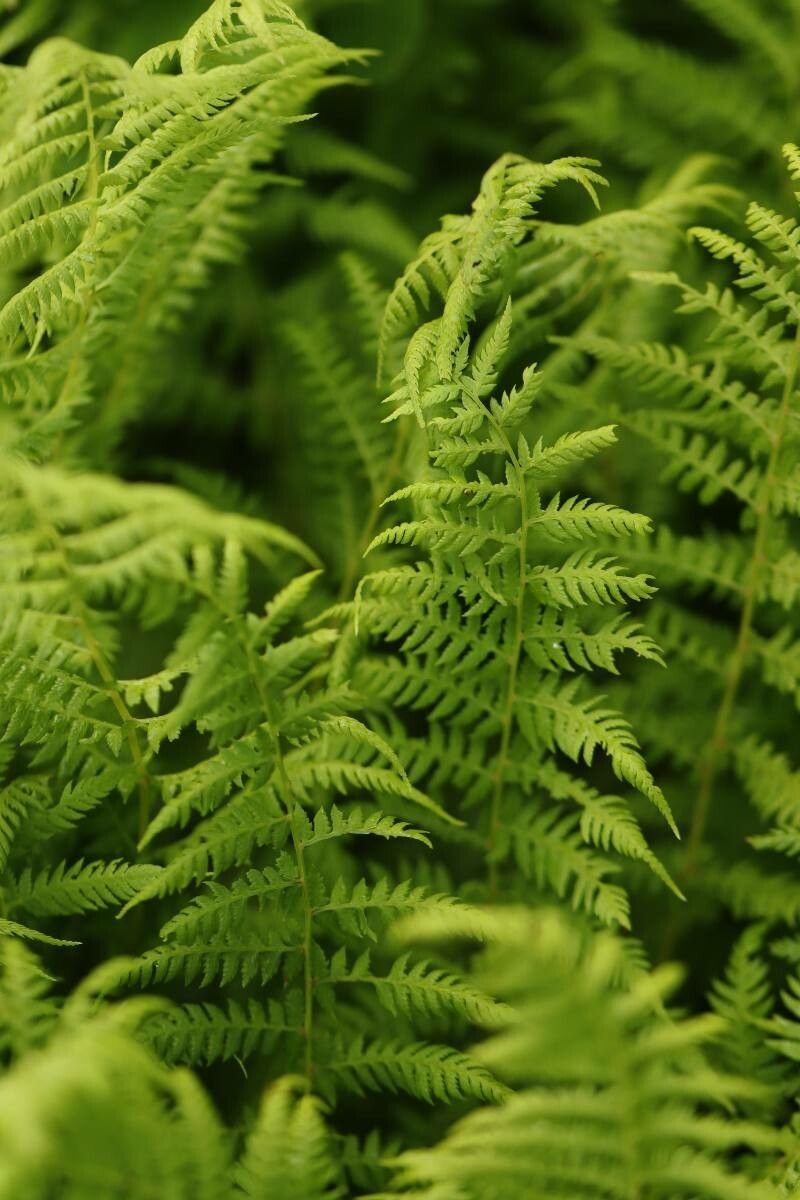
Athyrium melanolepis, commonly known as the Black Spleenwort, is a captivating fern prized for its elegant, dark purplish-black stipes (stalks) contrasting beautifully with its delicate, light green fronds. Its arching, graceful form makes it a popular choice among gardeners seeking lush, textured foliage for shade gardens, woodland settings, or containers. While its striking appearance is readily admired, propagating this fern can present unique challenges, making successful cultivation all the more rewarding. The relatively slow growth rate also makes propagation desirable for increasing stock.
Seed Germination:
Currently, there are no known reliable methods for seed germination propagation of Athyrium melanolepis. Spores produced by the fern are notoriously difficult to germinate, even under carefully controlled laboratory conditions. The specific requirements for successful germination remain largely elusive.
Cuttings:
Cuttings are not a viable method for propagating Athyrium melanolepis. Ferns, unlike many flowering plants, do not readily regenerate from stem or leaf cuttings.
Division:
Challenges: Division is the most practical and reliable method for propagating Athyrium melanolepis. The main challenge lies in carefully separating the rhizomes without harming the delicate roots, which are essential for the plant’s survival and establishment. Overly aggressive division can weaken the parent plant and the resultant divisions.
Practical Tips: The best time to divide Athyrium melanolepis is in spring or early autumn when the plant is actively growing but not under intense heat stress. Gently dig up the entire clump, carefully loosening the soil around the rhizomes. Use a sharp, clean knife or spade to separate the rhizomes, ensuring each division has a healthy portion of rhizome and several actively growing fronds. Replant the divisions in well-draining, moist soil rich in organic matter, providing consistent moisture until they establish themselves.
Rewards: Division offers a relatively straightforward method for increasing the number of Black Spleenwort plants. It is also less likely to introduce genetic variation compared to other methods making for consistent growth.
Tissue Culture:
Challenges: Tissue culture, while potentially successful, is complex, requiring specialized equipment, a sterile environment, and detailed knowledge of plant tissue culture techniques. The optimal media composition and growth regulators for Athyrium melanolepis are likely to require experimentation. This method also carries the risk of contamination and failure.
Practical Tips: If attempting tissue culture, consult specialized literature on fern propagation and seek guidance from experienced tissue culture laboratories. The process typically involves sterilizing plant material, initiating cultures on appropriate media, subculturing, and eventually acclimatizing the plantlets to greenhouse conditions.
Rewards: Tissue culture offers the potential for mass propagation of genetically identical plants, valuable for commercial purposes or ensuring the propagation of rare or desirable cultivars.
Conclusion:
Propagating Athyrium melanolepis presents unique challenges. While seed germination and cuttings are not practical, division offers a relatively accessible approach for the home gardener. Tissue culture holds the promise of large-scale propagation but necessitates substantial technical expertise and equipment. Despite these difficulties, the satisfaction of nurturing a small division into a thriving, elegant Black Spleenwort is deeply rewarding. The patience and attentiveness required to successfully propagate this beautiful fern are well compensated by the unique beauty it adds to any garden. For the aspiring propagator, start with division – a method which, with careful attention, offers high chances of success and allows you to experience the joy of cultivating this striking plant.