
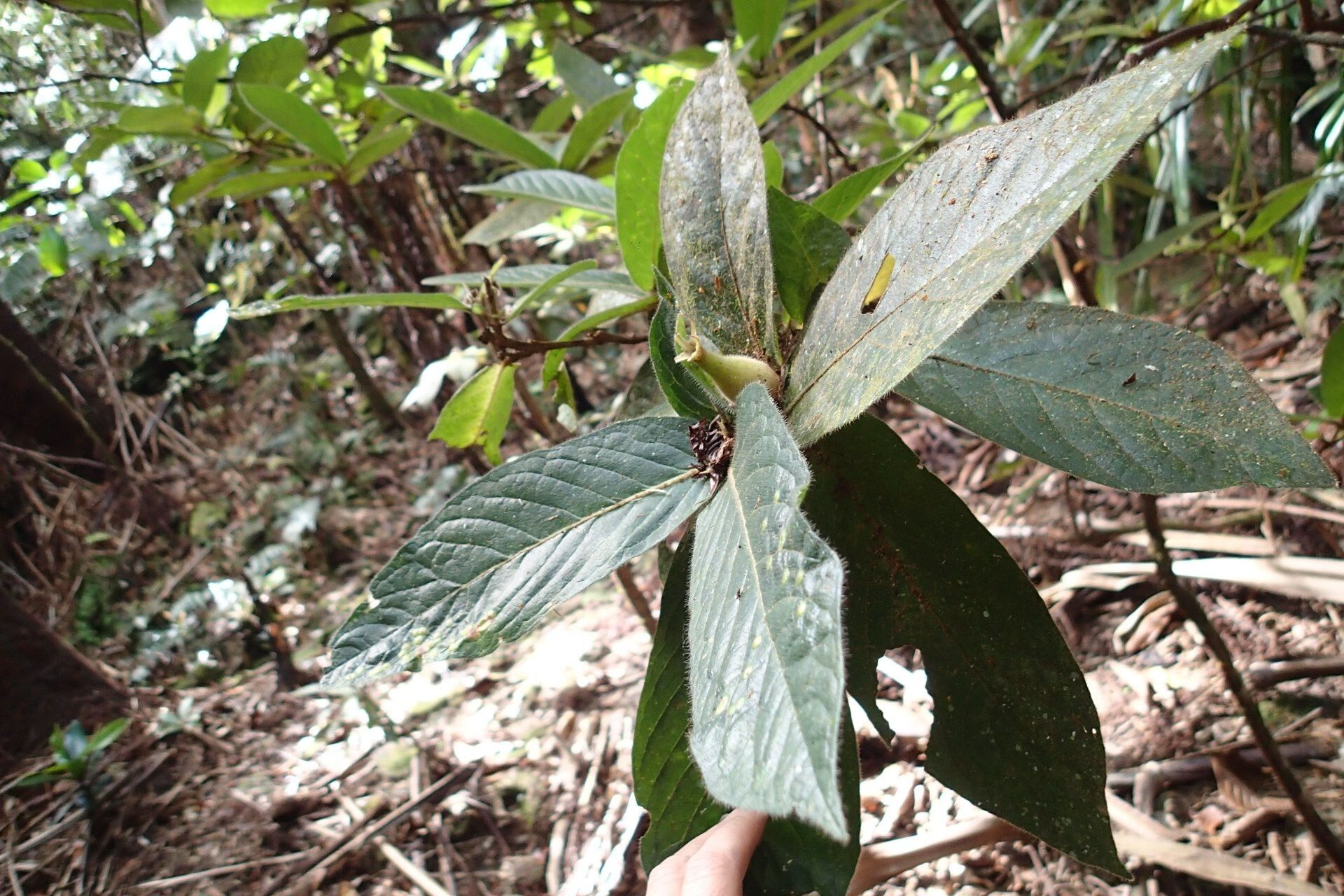
From One to Many: Mastering the Art of Atractocarpus mollis Propagation
Atractocarpus mollis, also known as the Velvet Leaf Fig, is a captivating tropical plant with lush, velvety green leaves and intriguing fruit. But if you’re captivated by this plant and want to expand your collection, you might be wondering: how do you get more of those velvety beauties? The answer is propagation – the art of creating new plants from existing ones.
While Atractocarpus mollis might be a bit less common than your typical houseplant, it’s surprisingly easy to propagate. You can successfully produce new plants through two primary methods: cuttings and seeds.
1. Propagation by Cuttings:
- The Basics: Cuttings are probably the easiest and most commonly practiced method. They involve taking a healthy piece of stem from your mature plant and inducing root formation.
- Choosing the Right Cutting: Select a vigorous, non-flowering stem with at least 2-3 nodes (the points where leaves or branches grow). Use sharp, clean shears or a knife to make a clean cut just below a node.
- Preparing the Cutting: Remove the lower leaves to avoid rot and expose the node. Dip the cut end in rooting hormone powder to encourage faster root development. This step isn’t mandatory, but it can be helpful.
- Potting Up: Planting the cutting in a well-draining potting mix (like a mix of perlite and peat moss) is the next step. Make sure the cutting is buried deep enough for the node to be covered by the soil.
- Creating the Right Environment: Once potted, place the cutting in a warm, bright location, but avoid direct sunlight. Moisture is crucial for root development; keep the soil consistently moist but never waterlogged. You can use a plastic dome or a clear plastic bag to create a humid environment.
- Patience is Key: Depending on factors like temperature and humidity, rooting can take several weeks.
- Signs of Success: Look for new growth at the top of the cutting, indicating successful rooting. After a few months, your newly rooted Atractocarpus mollis is ready for transplanting into a larger pot.
2. Propagation by Seeds:
- Starting with Seeds: Atractocarpus mollis fruits contain seeds. After the fruits ripen and turn reddish-purple, you can carefully extract the seeds.
- Seed Preparation: You can either sow the seeds directly into a seed-starting tray filled with a peat-based seed mix, or you can scarify the seeds by gently rubbing them with sandpaper to help break the seed coat and promote germination.
- Sow and Sprout: Sow the seeds at a depth of about ¼ inch deep and keep the soil consistently moist. Place your seed tray in a warm, well-lit location.
- Germination Success: Germination typically takes several weeks. Keep the soil moist and maintain a stable temperature. You can increase the humidity surrounding the seedlings with humidity domes or plastic wraps.
Tips for Success:
- Quality Matters: Choose healthy, pest-free plants to ensure good-quality cuttings or seeds for propagation.
- Light is Key: Provide adequate light for cuttings and seedlings to encourage healthy growth.
- Proper Watering: Water regularly to keep the soil moist but avoid overwatering, which can lead to root rot.
- Patience is a Virtue: Allow several weeks or even months for roots to develop.
Whether you choose cuttings or seeds, propagating Atractocarpus mollis can be a rewarding experience. It’s a great way to expand your plant collection, share these beautiful plants with friends, or simply enjoy the joy of witnessing new life emerge from a small piece of your favorite plant. So, go ahead and take the plunge into the satisfying world of Atractocarpus mollis propagation – you might just surprise yourself with your green thumb!