
Propagating Atractocarpus nigricans: A Gardener’s Guide to the Black Coral Tree
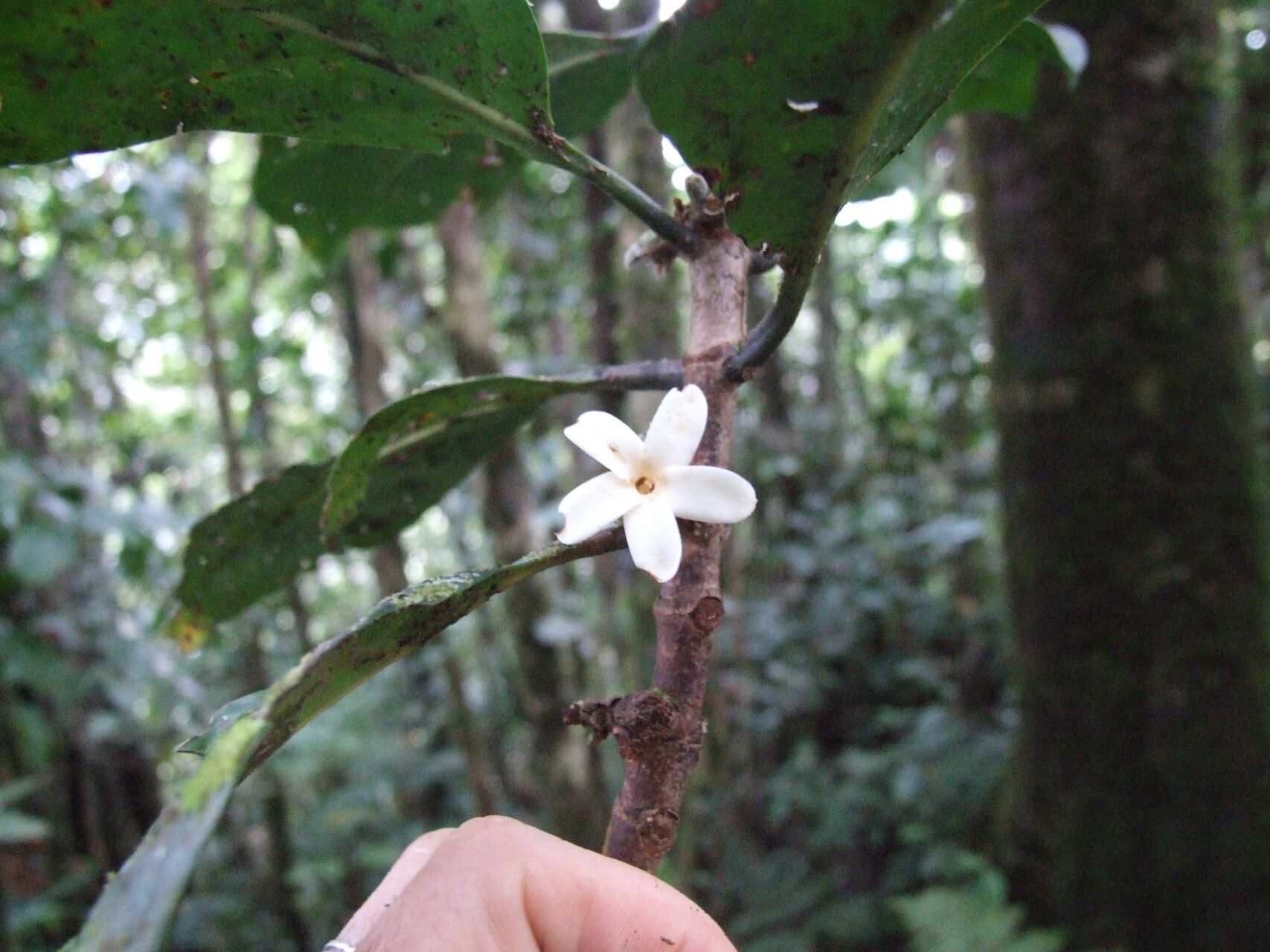
Atractocarpus nigricans, also known as the Black Coral Tree, is a captivating shrub or small tree prized for its striking dark foliage and unique, often black, fruit. Its glossy, deep green leaves provide a dramatic backdrop for its attractive flowers and berries, making it a popular choice amongst gardeners seeking a touch of the exotic. However, propagating this species can present unique challenges. Its popularity, coupled with the difficulties in propagation, makes mastering any of the techniques below a rewarding endeavor.
Seed Germination:
Currently, there are no known reliable methods for seed germination propagation of Atractocarpus nigricans. While seeds may be produced, their viability and germination rate are reportedly very low, hampered potentially by a hard seed coat or specific dormancy requirements yet to be identified. Further research into pre-treatment techniques, such as scarification or stratification, may be needed to unlock the potential of seed propagation.
Cuttings:
Cuttings offer a more promising avenue for propagating Atractocarpus nigricans. This method is relatively straightforward compared to seed germination.
- Challenges: Success rates can vary depending on the timing (ideally during the actively growing season), the type of cutting (semi-hardwood cuttings are usually preferred), and the application of rooting hormone. Maintaining high humidity and preventing fungal diseases are also crucial.
- Practical Tips: Take semi-hardwood cuttings, about 10-15cm long, from healthy, non-flowering stems. Remove lower leaves to prevent rotting. Dip the cut ends in a rooting hormone powder and plant them in a well-draining propagation mix (e.g., a mixture of perlite and peat moss). Cover the cuttings with a clear plastic dome or bag to maintain high humidity. Regularly mist the cuttings and ensure adequate ventilation to prevent fungal growth.
- Rewards: Cuttings allow for the propagation of plants with known desirable traits, ensuring consistency across the propagated plants and potentially faster growth compared to seedlings.
Division:
Division is generally not a feasible method for propagating Atractocarpus nigricans. This plant doesn’t typically develop the readily divisible root systems characteristic of plants amenable to this propagation technique.
Tissue Culture:
Tissue culture offers the potential for large-scale propagation of Atractocarpus nigricans, bypassing many of the challenges associated with other methods.
- Challenges: Tissue culture requires specialized equipment, sterile conditions, and a good understanding of plant tissue culture techniques. Developing a reliable protocol for Atractocarpus nigricans may require experimentation to determine optimal media formulations and growth regulators.
- Practical Tips: A skilled plant tissue culturist would initiate cultures from nodal explants or leaf segments. The successful establishment of cultures relies on the use of appropriate media containing plant growth regulators to stimulate shoot proliferation and root development.
- Rewards: Tissue culture allows for rapid multiplication of genetically identical plants, disease-free propagation, and the potential for mass production of this attractive plant.
Conclusion:
Propagating Atractocarpus nigricans presents a spectrum of challenges and rewards. While seed germination is currently unreliable, cuttings offer a relatively accessible method for gardeners. Tissue culture holds the potential for large-scale and consistent propagation, although it requires specialized knowledge and equipment. The unique characteristics and captivating beauty of the Black Coral Tree make the effort invested in its cultivation deeply rewarding. The satisfaction of overcoming the challenges and successfully growing this distinctive shrub or tree from a cutting or through tissue culture provides a unique sense of accomplishment that transcends the mere act of propagation. For aspiring propagators, patience, meticulous attention to detail, and the willingness to learn and adapt are essential keys to unlocking the secrets of successfully cultivating Atractocarpus nigricans.