
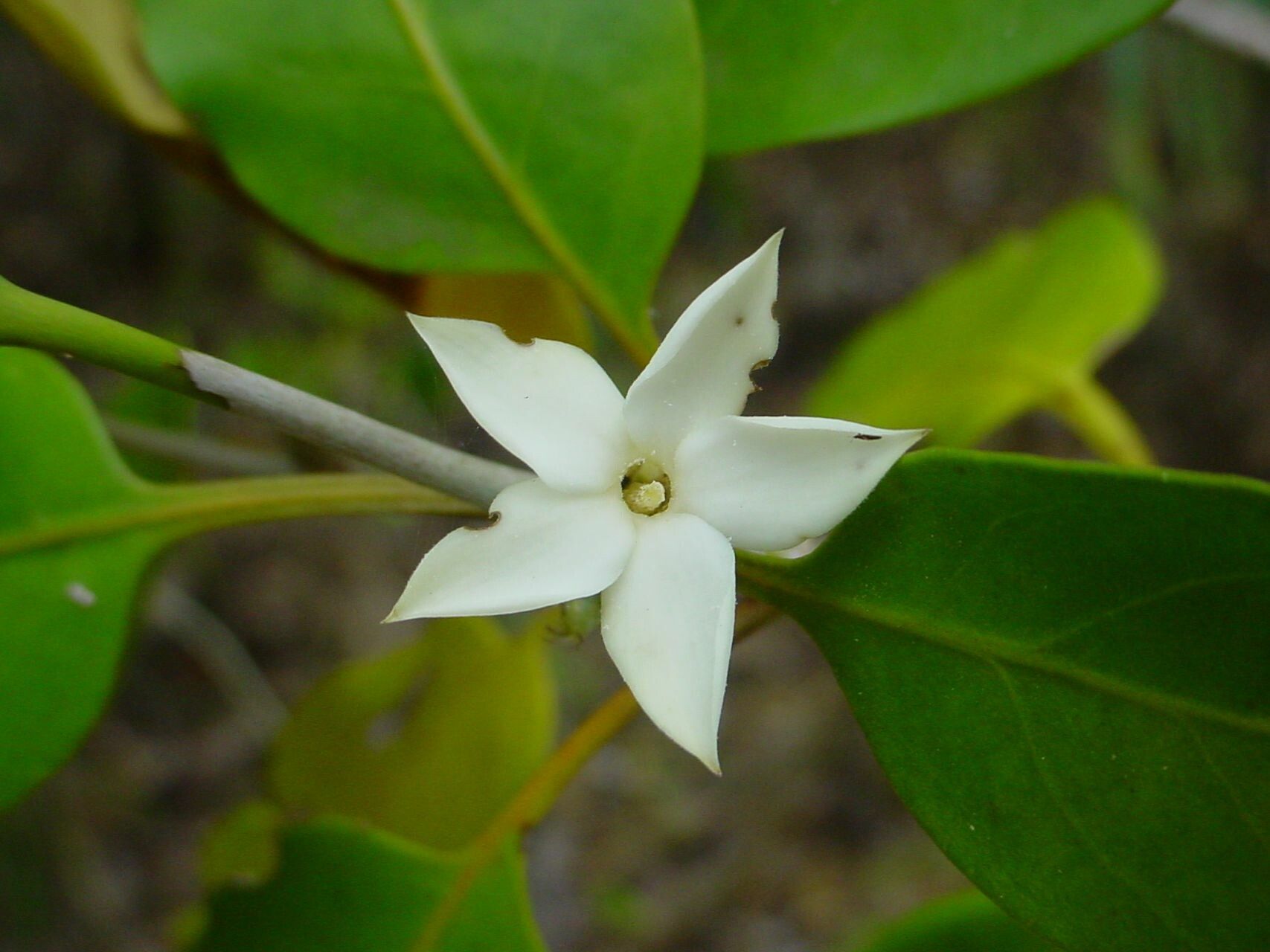
Propagating the Pacific Gardenia: Unveiling the Secrets of Atractocarpus pancherianus
Introduction:
Atractocarpus pancherianus, commonly known as the Pacific Gardenia, is a captivating shrub prized for its glossy, dark green foliage and intensely fragrant, creamy white flowers. Native to New Caledonia, this plant has earned a place in the hearts of gardeners worldwide, particularly those in tropical and subtropical climates. Its relatively slow growth rate, combined with its stunning beauty, makes successful propagation a rewarding, albeit sometimes challenging, endeavor. The unique aspects of its propagation often lie in overcoming its relatively recalcitrant nature, leading to diverse approaches among successful growers.
Seed Germination:
Currently, there are no known reliable methods for seed germination propagation of Atractocarpus pancherianus. While seeds may be produced, their viability is extremely low, and germination rates are consistently poor even under optimal conditions. Further research is needed to determine if specific pre-treatments or germination techniques could improve success.
Cuttings:
Cuttings represent a more reliable method for propagating the Pacific Gardenia.
Challenges: The main challenge lies in striking cuttings successfully. The plant’s relatively slow growth translates to slower rooting. Failure to maintain high humidity and prevent fungal infections are common pitfalls.
Practical Tips: Semi-hardwood cuttings taken in late spring or early summer offer the best success rate. Use a sharp, clean knife or shears to take 4-6 inch cuttings, removing lower leaves to prevent rotting. Dip the cut ends in a rooting hormone powder. Plant the cuttings in a well-draining propagation mix (e.g., perlite and peat moss) and maintain high humidity under a plastic dome or propagator. Bottom heat can significantly improve rooting success.
Rewards: Cuttings offer a relatively quick method to increase the number of plants, preserving the desirable traits of the parent plant.
Division:
Division is a viable propagation method for Atractocarpus pancherianus, but only for established, larger plants.
Challenges: Care must be taken to avoid damaging the roots during division. Each division needs to possess a sufficient root system to support its establishment.
Practical Tips: Divide the plant in spring or early autumn, ensuring each division retains a significant portion of the root ball and multiple stems. Plant the divisions immediately in well-prepared soil, ensuring they are well-watered but not over-saturated.
Rewards: Division allows for easy propagation of mature plants, including those with specific desirable features, without impacting the parent plant excessively.
Tissue Culture:
Tissue culture offers a potentially highly efficient method for large-scale propagation of Atractocarpus pancherianus.
Challenges: Establishing a sterile tissue culture protocol specifically tailored to Atractocarpus pancherianus requires specialized knowledge, equipment, and aseptic techniques. The optimization of medium composition and growth regulators are crucial for success.
Practical Tips: This method is best left to experienced tissue culture laboratories. While it offers immense potential for large-scale propagation, the initial investment and expertise needed are significant.
Rewards: Tissue culture facilitates the rapid multiplication of elite genotypes and disease-free plants, making it invaluable for commercial propagation and conservation efforts.
Conclusion:
Propagating Atractocarpus pancherianus presents various challenges, with seed germination currently yielding unreliable results. Cuttings, division, and tissue culture provide more viable options, each with its own difficulties and rewards. Cuttings offer a relatively straightforward approach for home gardeners. Division is best suited to established plants, while tissue culture provides the potential for large-scale propagation, albeit with considerable expertise requirements.
Successfully propagating this beautiful plant is a testament to patience and horticultural skill. The fragrance of its blossoms and the deep green of its foliage are worth the effort, representing a tangible reward for the dedication involved. Don’t be discouraged by initial setbacks; experimentation and persistence are key to unlocking the secrets of propagating the Pacific Gardenia. Remember to meticulously maintain high humidity and ensure proper drainage—these are crucial elements common across all methods for a successful outcome.