
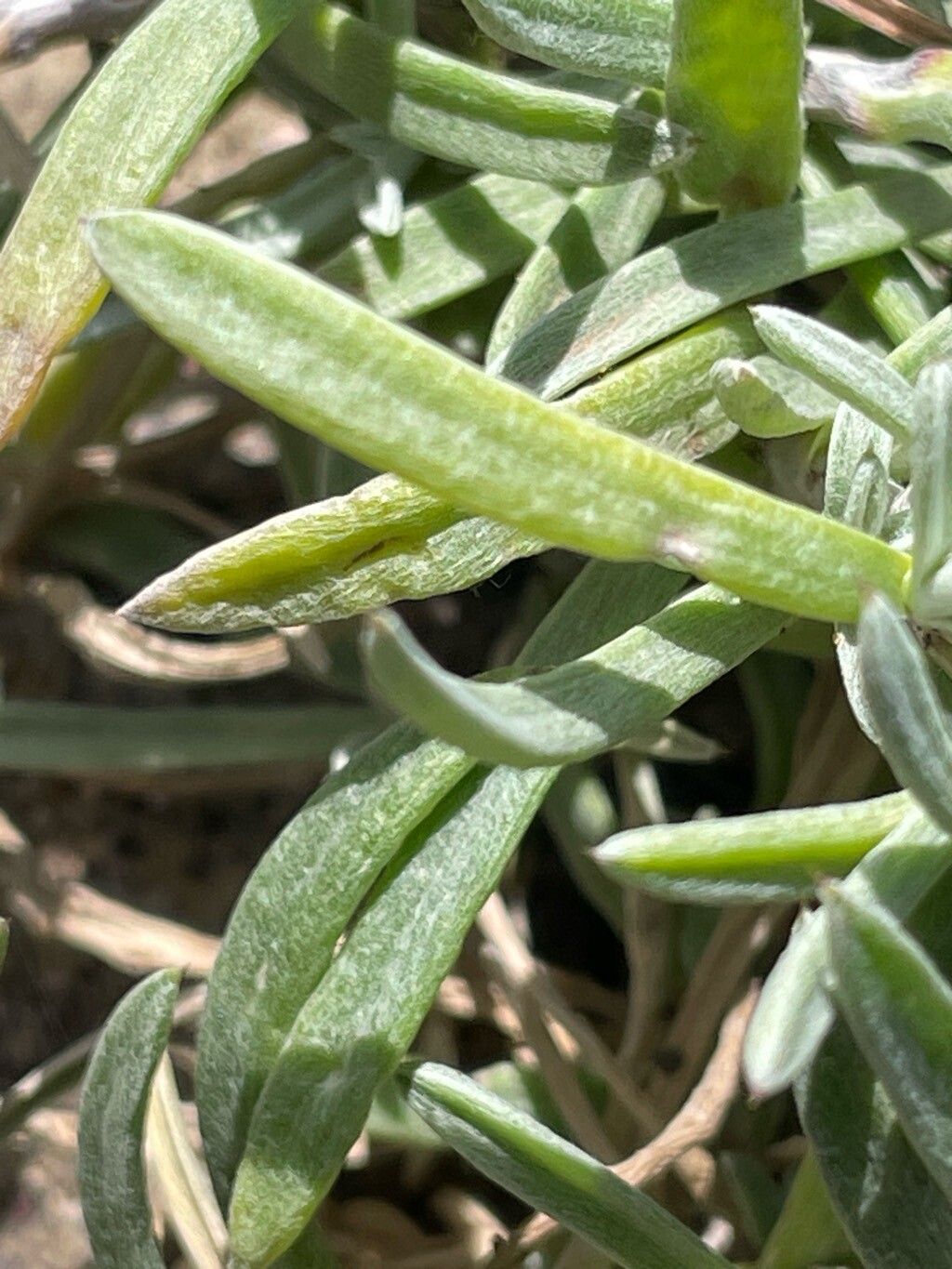
Propagating the Silver Thistle: A Guide to Atractylis arbuscula
Introduction:
Atractylis arbuscula, commonly known as the Silver Thistle, is a captivating shrublet prized for its silvery, spiny foliage and delicate, daisy-like flowers. Native to the Mediterranean region, its drought tolerance and unique aesthetic qualities have fueled its popularity among gardeners seeking low-maintenance, visually striking plants for xeriscaping or rock gardens. However, propagating this attractive plant presents certain challenges, making successful cultivation all the more rewarding. This article explores various propagation methods for Atractylis arbuscula, highlighting their feasibility and potential difficulties.
Seed Germination:
Currently, there are no known reliable methods for seed germination propagation of Atractylis arbuscula. While seeds may be produced, their germination rate is notoriously low, likely due to a complex dormancy mechanism not yet fully understood. Extensive research into pre-treatments, including stratification at various temperatures and durations, has yielded little success. Therefore, relying on seed propagation for Atractylis arbuscula is generally not recommended for practical purposes.
Cuttings:
Propagating Atractylis arbuscula via cuttings presents a more promising approach than seed germination. However, success isn’t guaranteed and requires careful technique.
Challenges: Cuttings can be challenging due to their tendency to rot before rooting. The slow rooting process and susceptibility to fungal diseases are significant hurdles.
Practical Tips: Semi-hardwood cuttings taken in late summer or early autumn offer the best chances of success. Use a sharp, sterile blade to take cuttings of about 10-15cm, removing lower leaves to prevent rotting. Dip the cut ends in a rooting hormone powder and plant them in a well-draining, sterile propagating mix (e.g., a mixture of perlite and peat moss). Maintain high humidity using a propagator or plastic bag, but ensure adequate ventilation to prevent fungal growth. Consistent bottom heat can also improve rooting success.
Rewards: Successfully rooting cuttings leads to genetically identical plants, preserving desirable traits. This method facilitates efficient propagation of a particular cultivar or desirable plant.
Division:
Division is a potentially viable method for Atractylis arbuscula, particularly if it forms a clumping habit.
Challenges: This method is limited by the availability of mature, established plants that can be divided. Care must be taken not to damage the roots during the separation process, which can compromise the survival of the divided portions.
Practical Tips: Division is best attempted in spring or autumn, when the plant is actively growing or entering dormancy. Gently dig up the entire plant and carefully separate it into smaller sections, ensuring each division has sufficient roots and foliage. Replant the divisions immediately in well-prepared soil, providing adequate watering until established.
Rewards: Division is a relatively quick and simple method, producing larger, more mature plants faster than other methods.
Tissue Culture:
Tissue culture offers a potentially high-yield propagation method for Atractylis arbuscula, but it is a specialized technique.
Challenges: This method requires specialized equipment, a sterile laboratory environment, and expertise in plant tissue culture techniques. Establishing a protocol for Atractylis arbuscula may require experimentation. The cost involved can also be a significant barrier.
Practical Tips: This is best left to nurseries or research facilities with the necessary resources and expertise. Successful establishment requires precise control of nutrient media, temperature, and light.
Rewards: Tissue culture is capable of producing a very large number of plants from a small amount of source material. It can also be used to eliminate diseases present in the parent plant.
Conclusion:
Propagating Atractylis arbuscula presents unique challenges across various methods. While seed germination seems infeasible currently, cuttings offer a feasible albeit somewhat temperamental approach. Division works well for established clumps, but is limited. Tissue culture presents the most efficient but also most technically demanding method. The rewards of successfully nurturing these beautiful plants from cuttings or divisions, despite the difficulties, are substantial. The unique silvery foliage and hardy nature of the Silver Thistle make the effort worthwhile, offering a unique sense of pride and satisfaction to the dedicated gardener. The journey, while challenging, highlights the resilience and beauty of this remarkable plant and ultimately, the gratification of successfully cultivating it.