
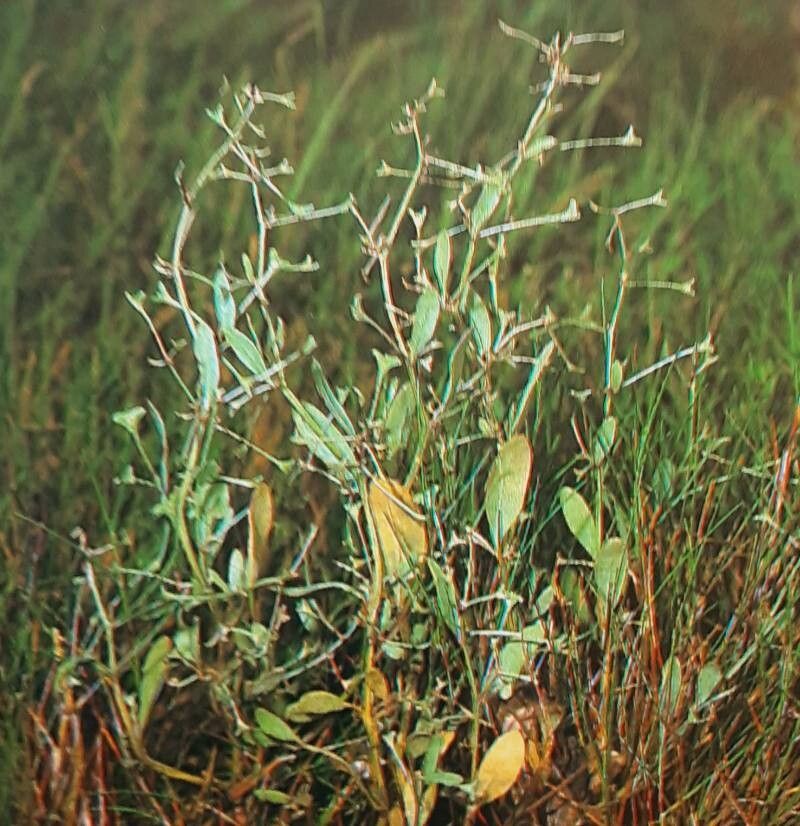
Propagating Atriplex pedunculata: A Gardener’s Guide to the Coastal Saltbush
Introduction
Atriplex pedunculata, commonly known as coastal saltbush, is a resilient, drought-tolerant shrub prized for its silvery foliage and ability to thrive in coastal and saline conditions. This makes it a popular choice for gardeners seeking low-maintenance landscaping solutions, particularly in areas with poor soil quality. Its tolerance to harsh environments also makes it valuable in ecological restoration projects. However, propagation can present some unique challenges. This article explores various methods to successfully increase your coastal saltbush population.
Seed Germination
Seed germination of Atriplex pedunculata is viable, but can be unpredictable. The primary challenge lies in dormancy. Many Atriplex species exhibit seed dormancy, requiring specific conditions to break this dormancy and initiate germination.
Challenges: Seed dormancy and low germination rates are common issues. The seeds have a hard seed coat which can hinder water uptake. Inconsistent germination across seed batches is also reported.
Practical Tips: Pre-treatment is crucial. Scarification (nicking the seed coat with sandpaper) or a period of cold stratification (placing seeds in moist media in a refrigerator at approximately 4°C for 4-6 weeks) can significantly improve germination rates. Sow seeds thinly onto a well-draining seed-starting mix, keeping the surface consistently moist but not waterlogged. Maintain a warm temperature (20-25°C) and sufficient light.
Rewards: Successfully germinated seeds offer genetic diversity, leading to potentially more robust plants. Seeds provide an economical means for significant propagation, especially for large-scale projects like restoration initiatives.
Cuttings
Propagation via cuttings is a more reliable method for Atriplex pedunculata than seed germination.
Challenges: While successful, rooting can be slow. The type of cutting (softwood, semi-hardwood, or hardwood) might affect rooting success, requiring experimentation. Maintaining humidity and preventing fungal infections are essential.
Practical Tips: Semi-hardwood cuttings taken in late spring or early summer typically show good rooting success. Use a rooting hormone to encourage root development. Plant cuttings in a well-draining mix under high humidity (use a propagator or plastic bag to maintain humidity). Provide bright indirect light to avoid burning the tender cuttings.
Rewards: This method produces genetically identical plants to the mother plant, ensuring the preservation of desirable traits. It offers a relatively quick and efficient way to increase plant numbers.
Division
Division is a viable method for established Atriplex pedunculata plants.
Challenges: Mature plants may be difficult to divide without damaging the root system which can make them slow to recover. Division is only suitable for mature plants, limiting its application.
Practical Tips: Divide the plant in spring or autumn, ensuring each section has sufficient root mass and healthy stems. Plant divisions in well-prepared soil, providing them with adequate watering and protection from direct sunlight initially.
Rewards: Division provides a fast and easy method of cloning plants, particularly suitable for smaller scale multiplication.
Tissue Culture
Currently, there are no widely available or documented protocols for the successful tissue culture propagation of Atriplex pedunculata. Further research is needed to establish reliable techniques.
Conclusion
Propagating Atriplex pedunculata presents unique challenges, primarily related to seed dormancy and the need for careful handling of cuttings. While seed germination offers genetic diversity, cuttings afford a more reliable and faster method for plant increase. Division provides a simpler method for established plants. The rewards, however, are worth the effort. Successfully cultivating this hardy yet elegant shrub delivers a deep sense of accomplishment, a testament to perseverance and horticultural skill. Experimentation and patience are key; by paying close attention to the specifics of each propagation method and adapting techniques based on your observations, aspiring propagators can greatly increase their chances of success in creating a thriving population of coastal saltbush.